The Other Side of the Mountain: Why Visit Yamagata and Yonezawa Now
- 投稿日:
- 2026年10月23日
Tokyo, Kyoto, Osaka. The famous cities of Japan are always full of travelers. But cross the mountains on the Shinkansen, about two hours north of Tokyo, and a very different Japan is waiting for you.
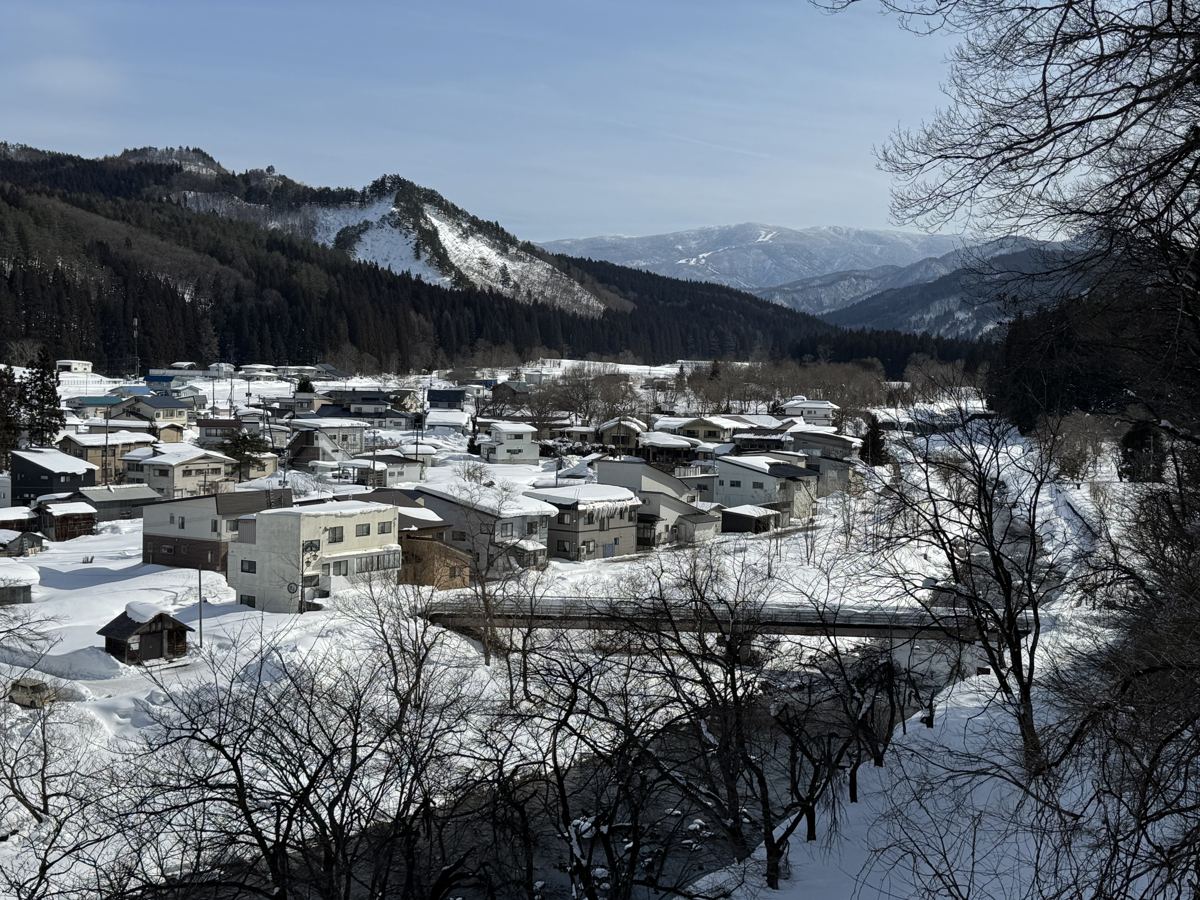
Yamagata and Yonezawa are places where traditional ways of life, rich nature and warm people still remain. In fact, this land has been loved and introduced to the world by many people from abroad. In this article, we follow their words and share why Yamagata and Yonezawa are worth visiting now.
Isabella Bird: “An Asiatic Arcadia”
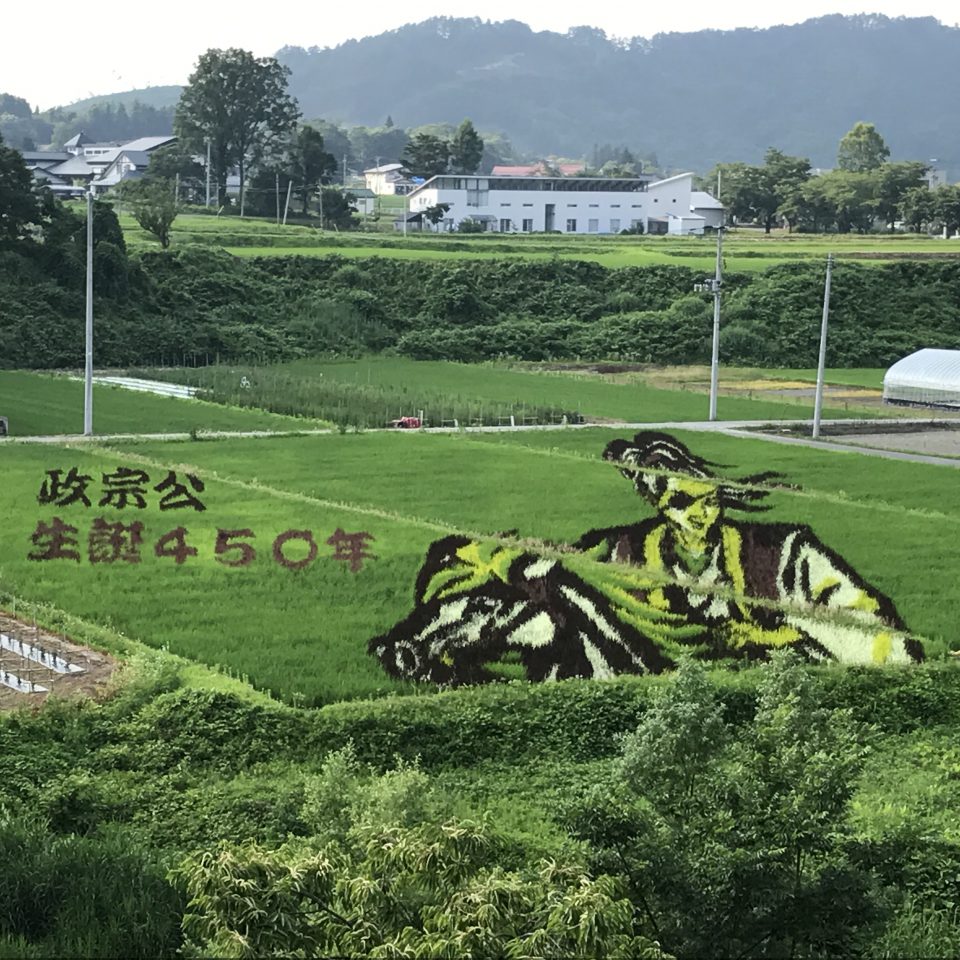
In 1878, the English traveler Isabella Bird journeyed through the Tohoku region, where very few foreigners had ever been. In her travel book Unbeaten Tracks in Japan (1880), she called the plain of Yonezawa, the Okitama region, “an Asiatic Arcadia,” a paradise on earth, and praised it as a true “Garden of Eden.”
Rich fields full of rice and crops, mountains all around, and people living peaceful lives. The landscape Bird saw still remains in the countryside of Okitama today.
Bird was charmed by other towns in Yamagata, too. She described Kaminoyama as a clean town with dry, clear air, and Tendo as a region as cheerful and pleasant as one could wish to see.
Uchimura Kanzo: Representative Men of Japan and Uesugi Yozan

In the Meiji era, the thinker Uchimura Kanzo wrote a book in English to share the spirit of the Japanese people with the world. It was first published in 1894 as Japan and the Japanese, and later in 1908 as Representative Men of Japan.
One of the five people introduced in this book is Uesugi Yozan, lord of the Yonezawa domain.
Yozan became lord at the age of 17 and rebuilt the Yonezawa domain, which was suffering from heavy debt. He lived simply himself, worked with the people to grow new industries, and founded the school Kojokan to educate people. His words, “If you try, you can do it” (Naseba naru), still live in the hearts of the people of Yonezawa today.
It is said that U.S. President John F. Kennedy named Uesugi Yozan as the Japanese person he most respected. In 2014, his daughter, U.S. Ambassador to Japan Caroline Kennedy, visited Yonezawa and praised Yozan as a leader who has inspired generations of people.
The Uesugi family and Yozan still live on in Yonezawa

A few years ago, Mr. Kuninori Uesugi, a descendant of the Uesugi family, stayed at our inn. We were filled with a joy and excitement we had never felt before.
Even today, Yonezawa is watched over by the Uesugi family and still learns from Lord Yozan. His spirit is not just history in a book; it lives on in the daily lives of the people of this town.
Edwin O. Reischauer: “The Other Side of the Mountain”
Edwin O. Reischauer, a Harvard scholar of Japan who also served as U.S. Ambassador to Japan, wrote an essay in 1988 titled “YAMAGATA – The Other Side of the Mountain.”
In it, he called Yamagata “a beautiful land, reminiscent of Japan as it used to be,” and wrote that it “still maintains a healthy balance between man and nature.” He told the world not to overlook “the other Japan,” such as Yamagata, beyond the big cities like Tokyo and Osaka. (Source: Yamagata Prefecture)
You can feel this “other side of the mountain” for yourself. Coming by car or highway bus from Fukushima, the road passes through the Kuriko Tunnel, nearly 9 km long, deep under the mountains. When you come out of the tunnel, a different world spreads out before you: the wide Okitama basin, with mountains all around, quiet villages and fields that change color with the seasons.
Why now?
About 150 years have passed since Bird walked here, and nearly 40 years since Reischauer wrote his essay. But the Yamagata they praised is still here.
- The real Japan, without the crowds: While famous sights are crowded, Yamagata still has local life and quiet time.
- About two hours from Tokyo: “The other Japan” on the other side of the mountains is just about two hours by Shinkansen.
- A hot spring with 1,200 years of history: Onogawa Onsen has a history of about 1,200 years. Soak in 100% natural, free-flowing hot spring water for as many days as you like.
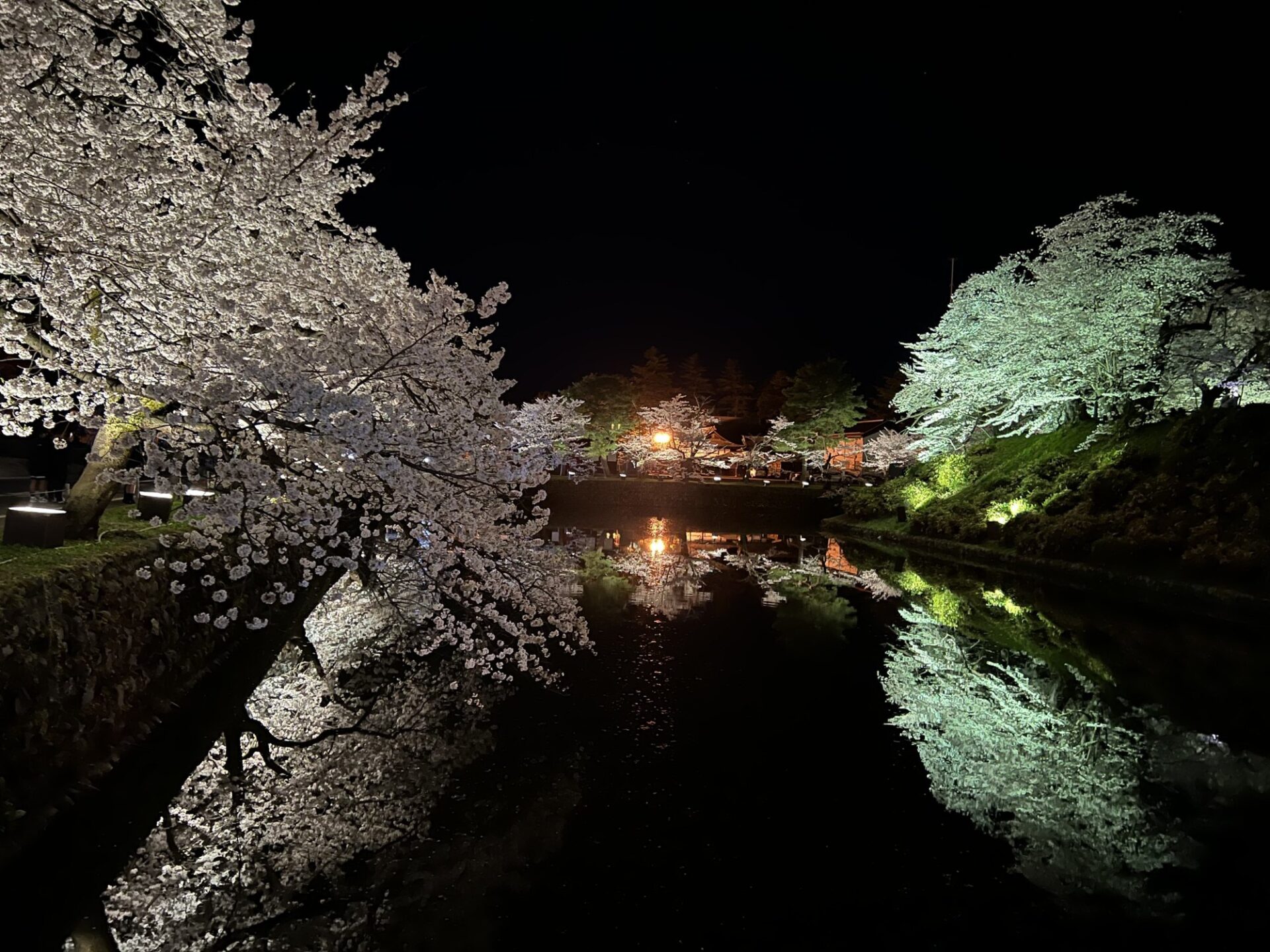
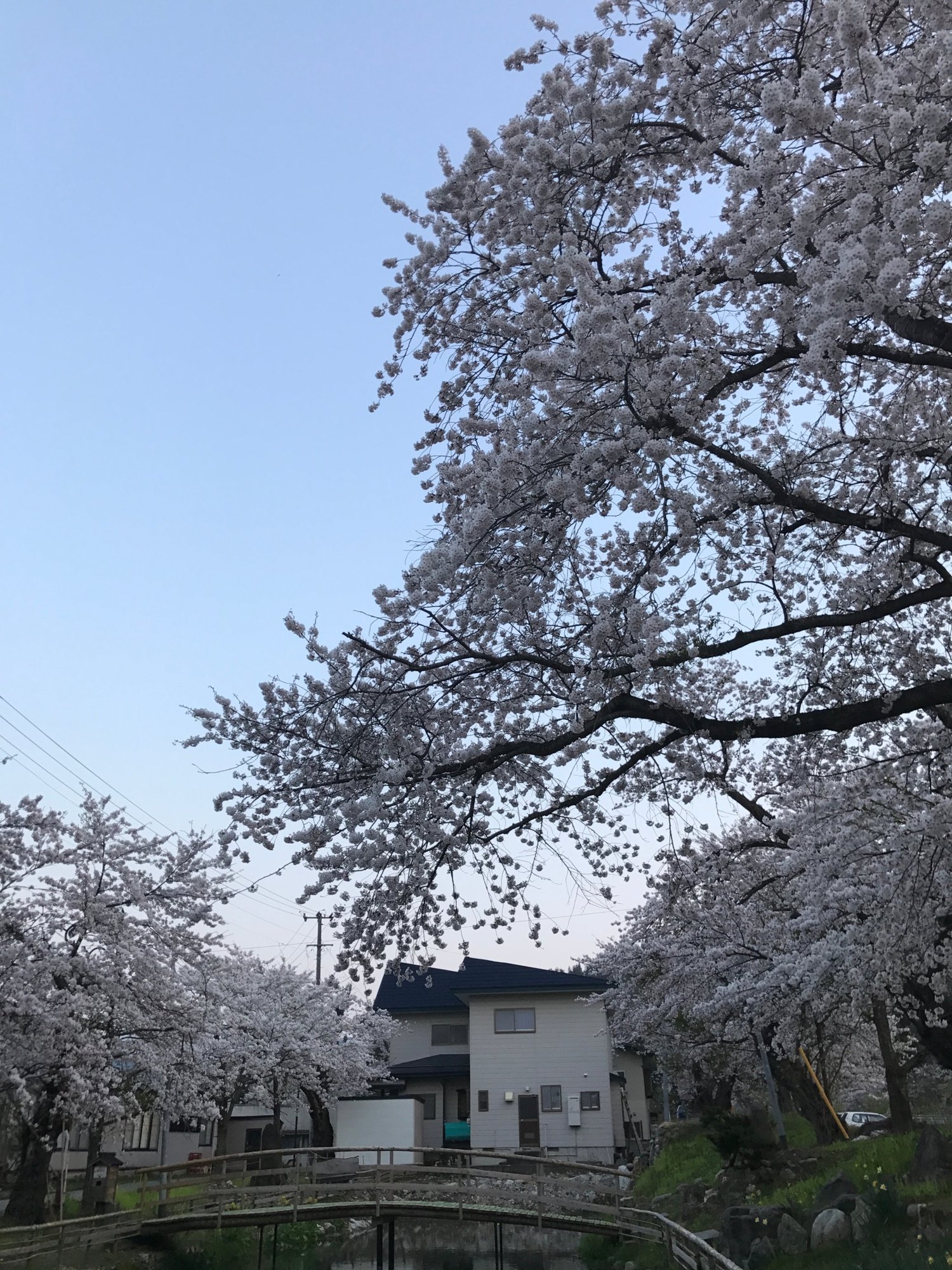
- Four seasons of scenery: Deep snow in winter, cherry blossoms in spring, fireflies in early summer and colorful leaves in autumn.
- A spirit that values people: Uesugi Yozan’s spirit of “If you try, you can do it,” and his care for people, still live on in the town and people of Yonezawa.
The gifts of the land, season by season

Okitama, the land Isabella Bird called “an Asiatic Arcadia,” is a treasure house of fruit. Each season brings its own flavors, found only at that time of year, to the markets and the table.
- Spring: When the snow melts, wild mountain vegetables (sansai) arrive from the mountains, such as kogomi (fiddlehead ferns), taranome (angelica tree shoots) and ukogi. Uesugi Yozan encouraged people to plant ukogi as hedges, because its leaves could be eaten.
- Early summer: Many kinds of cherries (Satonishiki, Benishuho, Yamagata Beniou, Takasago, Benisayaka, Napoleon, Benitemari, Gassan Nishiki and more).
- Summer to autumn: Many kinds of grapes (Delaware, Shine Muscat, Pione, Kyoho, Takao, Fujiminori, Rosario Bianco, Queen Nina, Black Beet, Sunny Rouge, Niagara, Steuben, Campbell Early and more). Takahata, in Okitama, ships more Delaware grapes than any other town in Japan.
- Autumn to winter: Many kinds of apples (Fuji, Tsugaru, Shuyo, Shinano Sweet, Shinano Gold, Akibae, Orin, Jonagold, Kogyoku, Mutsu and more), La France pears, along with akebi, a wild mountain fruit.
- All year: Yonezawa beef and the delicious rice of Okitama.

To the other Japan
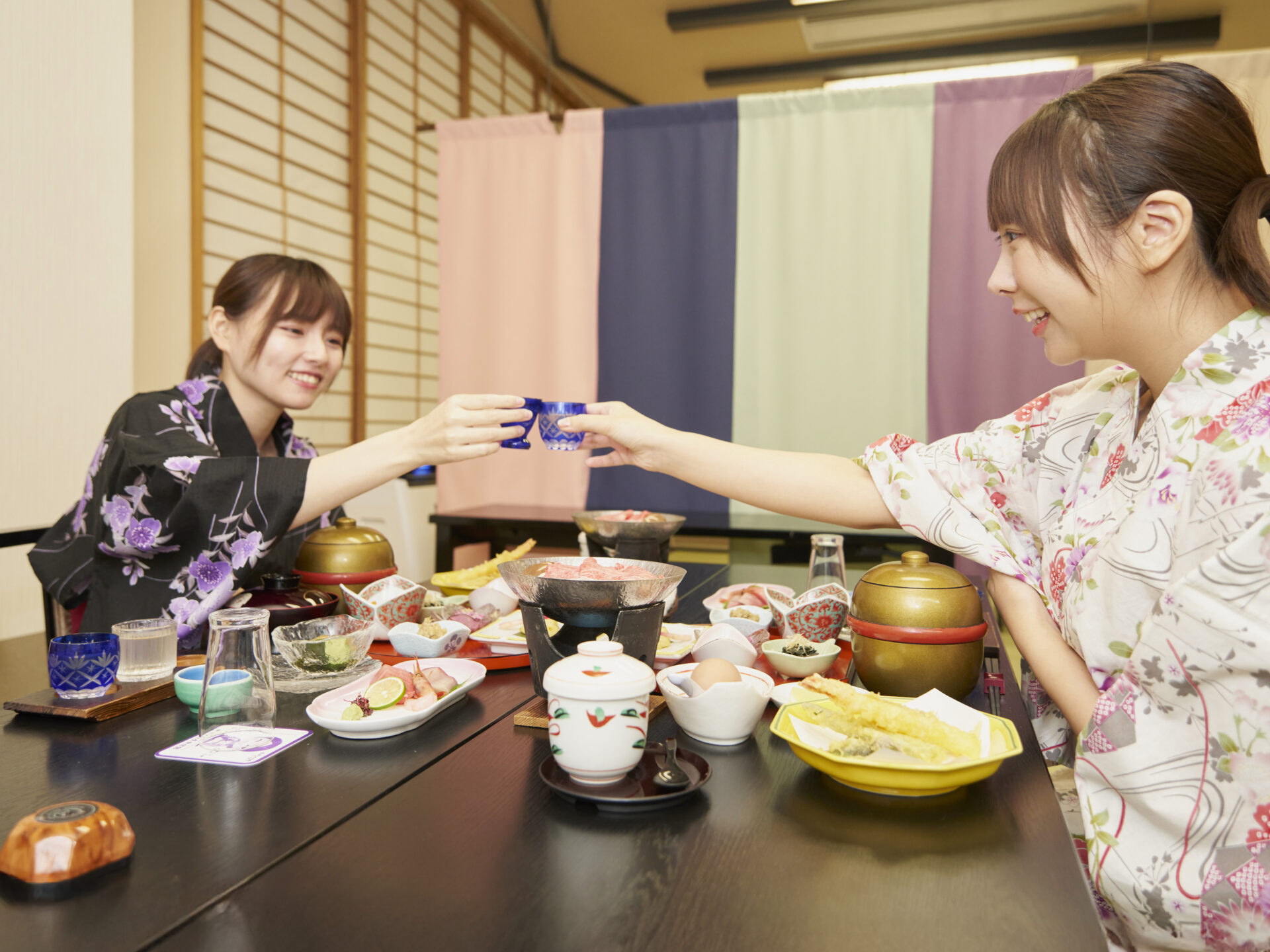
Visiting famous sights is one of the joys of traveling in Japan. But if you want to meet the real Japan, cross the mountains and visit Yamagata and Yonezawa.
In the land of Okitama, which Isabella Bird called “an Asiatic Arcadia,” Onogawa Onsen and its 1,200 years of history are waiting for you.
Read more: Yonezawa Beef / Winter in Yonezawa / Nemuri Toji / How to Get to Yonezawa from Tokyo