Snow, Samurai and Onsen: A Winter Stay in Yonezawa
- 投稿日:
- 2026年10月21日
- (更新日:2026年10月23日)
The quiet of snow, the stories of samurai, and the warmth of a hot spring. In winter, Yonezawa brings all three together.
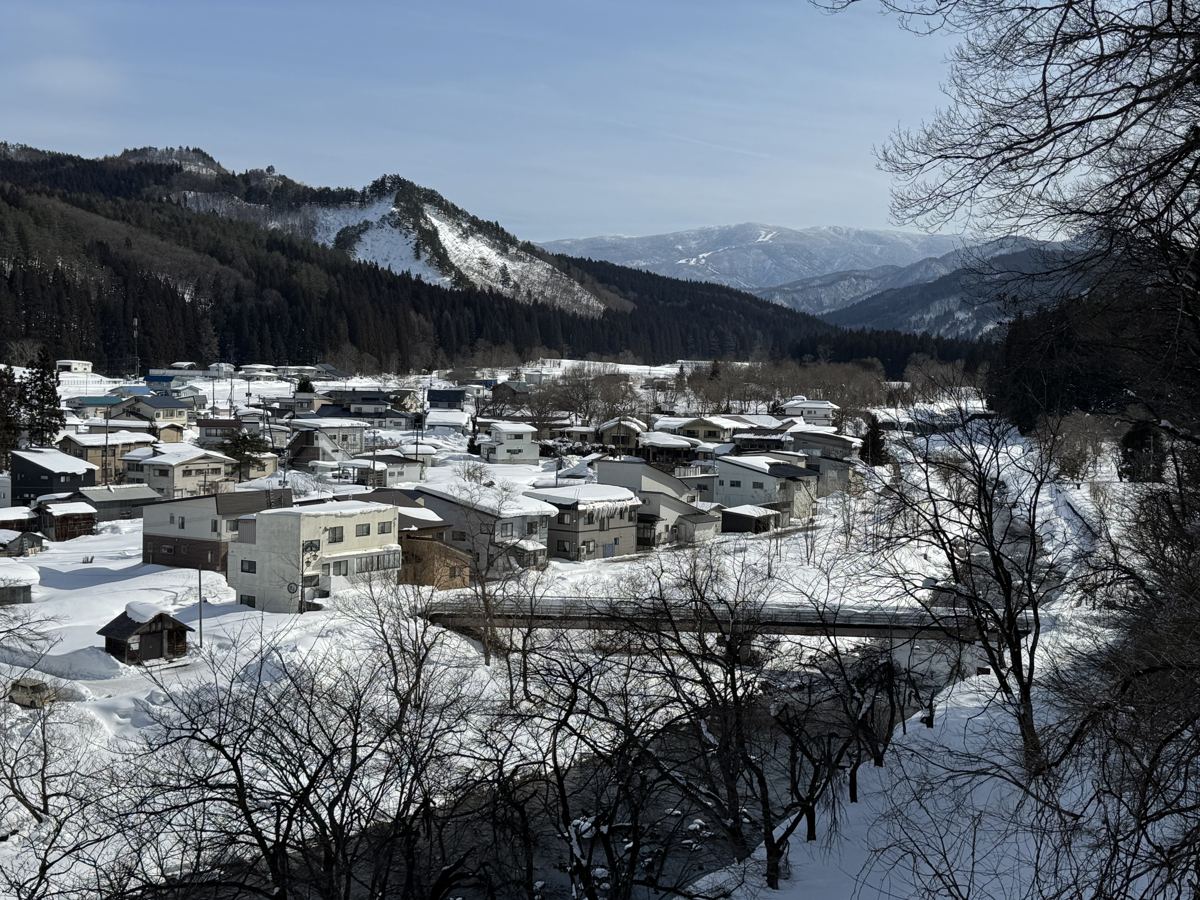
Yonezawa is a castle town in the south of Yamagata Prefecture. It is about two hours from Tokyo by the Yamagata Shinkansen. In winter, the town is wrapped in deep snow. For travelers from countries without snow, it becomes a view they will never forget.
In this article, we share how to spend a winter stay in Yonezawa and Onogawa Onsen.
A hot spring town wrapped in snow
Onogawa Onsen sits in the mountains, about 25 minutes by car from central Yonezawa. Legend says it was discovered about 1,200 years ago by Ono no Komachi, one of Japan’s most celebrated poets.
In winter, Onogawa Onsen is covered in snow and very quiet. Steam rises softly into the falling snow.
A warming bath with a view of the snow

The water of Onogawa Onsen is rich in salt. That is why it warms you deeply, even on the coldest winter day. Your body stays warm for a long time after you leave the bath.
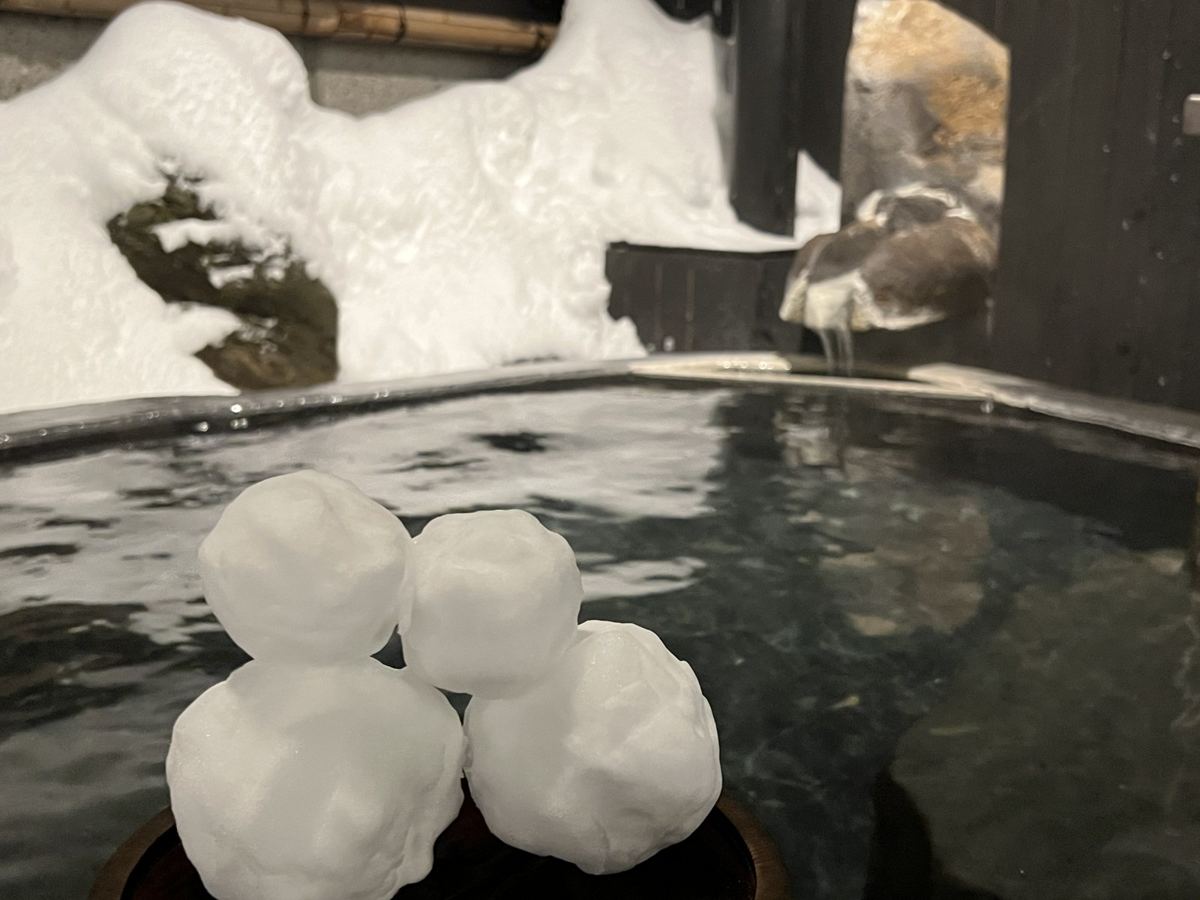
The hot spring at Tofuya Ryokan is 100% natural hot spring water, flowing freely into the baths (kakenagashi). We blend two natural sources to reach the right temperature. From the outdoor baths, for both men and women, you can watch the snow fall as you soak. Cold air and warm water: this is yukimi-buro, a snow-viewing bath you can only enjoy in winter.
Step inside a snow house at Kamakura Village
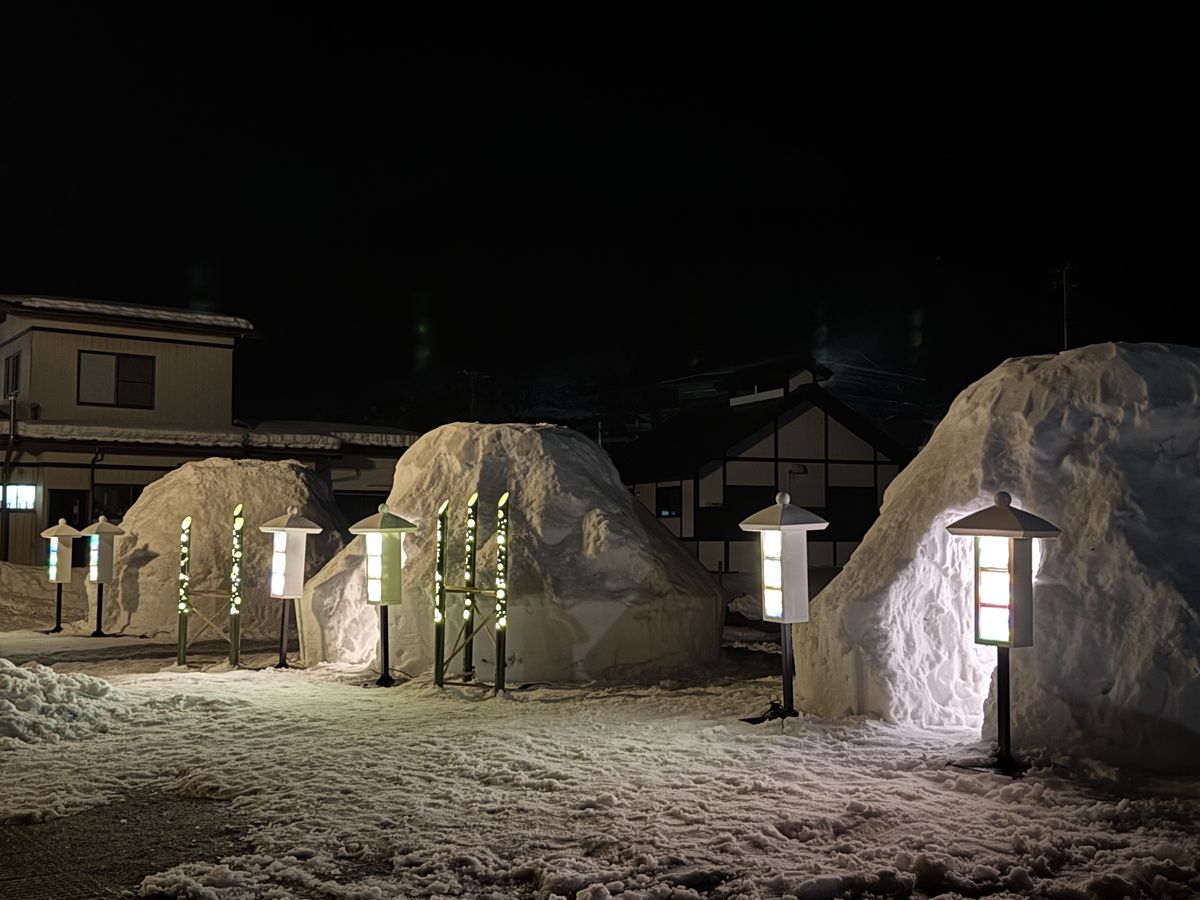
A kamakura is a small house made of snow. Children in Japan’s snow country have played in them for generations. It is a winter tradition.
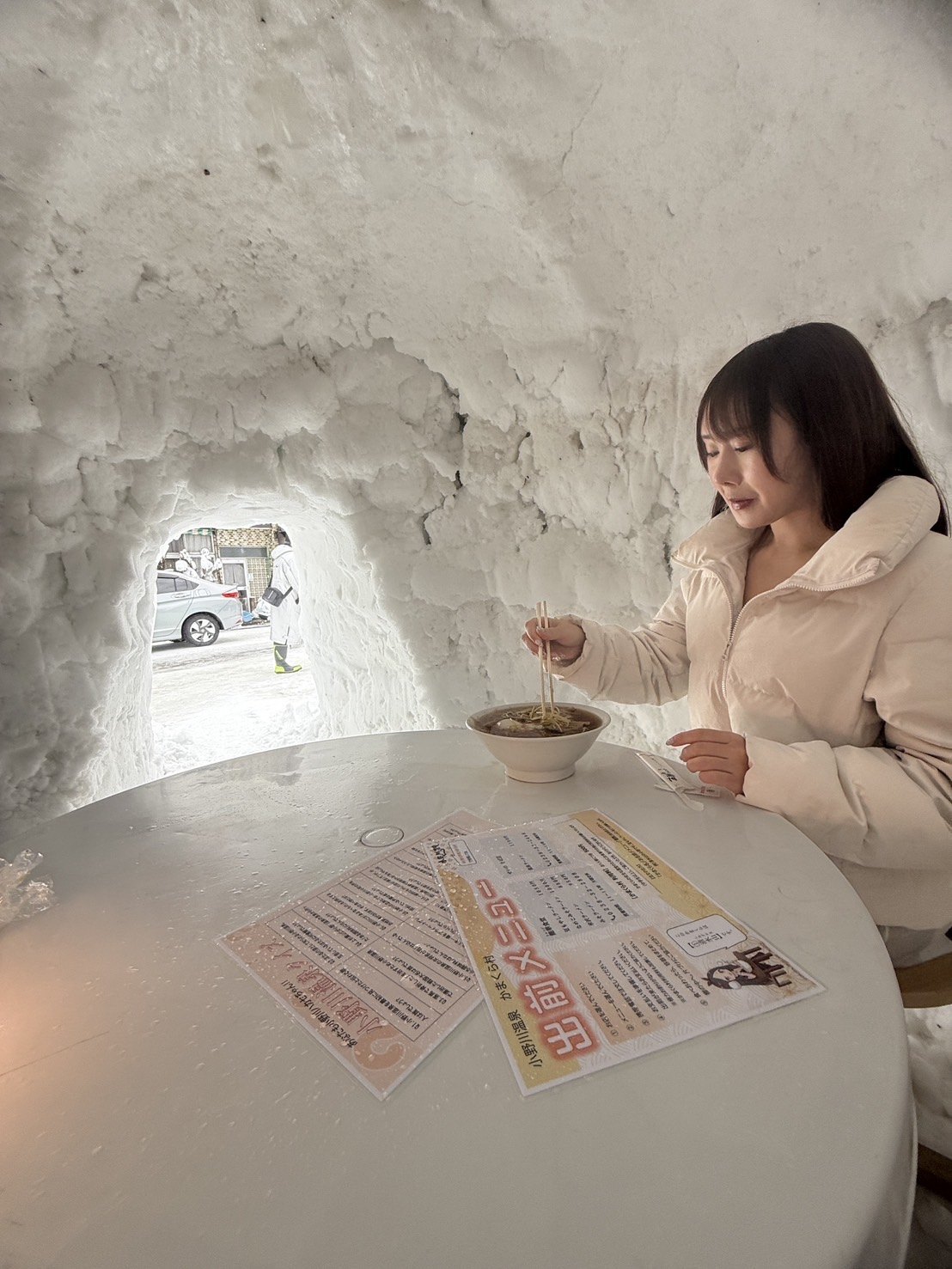
Every year, from mid-January to early March, Onogawa Onsen opens its “Kamakura Village.” The exact dates change each year, depending on the amount of snow and the weather. Inside the large kamakura, there are tables and chairs, with room for six adults to relax. You can even order Yonezawa ramen from a nearby restaurant and have it delivered. Eating hot ramen inside a house of snow is a special experience you can only have in snow country.
Walk through Yonezawa, the town of samurai
Yonezawa is a castle town ruled for centuries by the Uesugi family of samurai.
- Uesugi Kenshin: A great warlord of Japan’s Warring States period. He is enshrined at Uesugi Shrine in Yonezawa.
- Naoe Kanetsugu: A loyal retainer who supported the Uesugi family. He is famous for the single character for “love” (愛) on his helmet.
- Uesugi Yozan: A wise lord who rescued his domain from financial ruin. He left the words “If you try, you can do it.” In the Meiji era, the thinker Uchimura Kanzo wrote Representative Men of Japan in English to introduce the Japanese spirit to the world. Yozan is one of the five people featured in the book, alongside Saigo Takamori.
Covered in snow, Uesugi Shrine is a quiet and beautiful place.
Uesugi Snow Lantern Festival
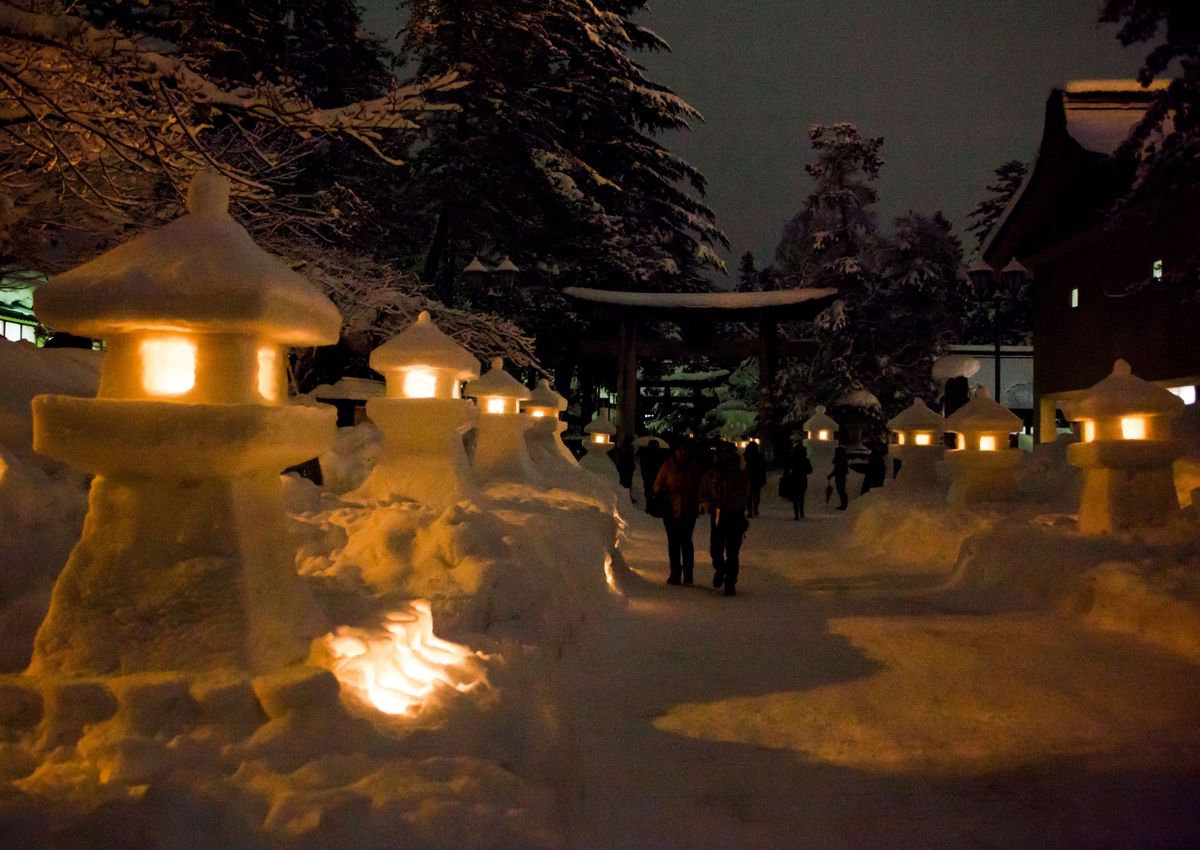
Every year, on the second Saturday and Sunday of February, the Uesugi Snow Lantern Festival is held at Uesugi Shrine and Matsugasaki Park.
About 200 lanterns made of snow and about 1,000 small snow lamps line the grounds. At night, candles are lit inside them. Countless small lights glowing in the snow create a truly magical scene.
A taste of winter: Yonezawa beef sukiyaki

On a cold night, nothing is better than a warm meal.
At Tofuya Ryokan, you can enjoy Yonezawa beef as sukiyaki, steak, or shabu-shabu. Our most popular choice is sukiyaki. Dip the tender Yonezawa beef into an egg cooked in our hot spring.
Tips for a winter trip
- Driving on snowy roads takes experience. In winter, we recommend coming to Yonezawa Station by Shinkansen.
- From Yonezawa Station, take the local bus bound for Shirabu Onsen and get off at “Onogawa Onsen” (about 30 minutes). Buses run about once an hour.
- Bring warm clothes and shoes that do not slip easily.
- On snowy days, travel may take longer than usual.
Come to Yonezawa this winter
Touch the stories of the samurai in the quiet of the snow, then sink into a warm hot spring. A winter journey like this is waiting for you in Yonezawa.
Tofuya Ryokan is a family-run ryokan that dates back to the Edo period. The seventh generation of our family looks forward to welcoming you.
Read more: A Ryokan Is Not a Hotel: How to Enjoy a Traditional Japanese Inn