Nemuri Toji: A Sleep Retreat in the Onsen Where Samurai Lord Date Masamune Healed
- 投稿日:
- 2026年10月23日
Bathe in a natural hot spring. Sweat in a sauna. Sleep deeply through a quiet night. Then do it again the next day.
Japan has a hot spring culture called toji. People stay at an onsen inn for several days to rest their bodies and minds. They leave work and daily life behind, bathe in the hot spring, eat well and sleep well. In today’s words, it is Japan’s original wellness retreat.
At Tofuya Ryokan, we combine this tradition with a focus on sleep. We call it Nemuri Toji, or “sleep toji.” Warm your body in the onsen, refresh yourself in the sauna and sleep soundly through a quiet night. By repeating this rhythm, you give your mind and body a real rest.
The most important part of Nemuri Toji is simple: while you soak in the hot spring, take time to listen to your own body and mind.
What is toji? A healing hot spring town with 1,200 years of history
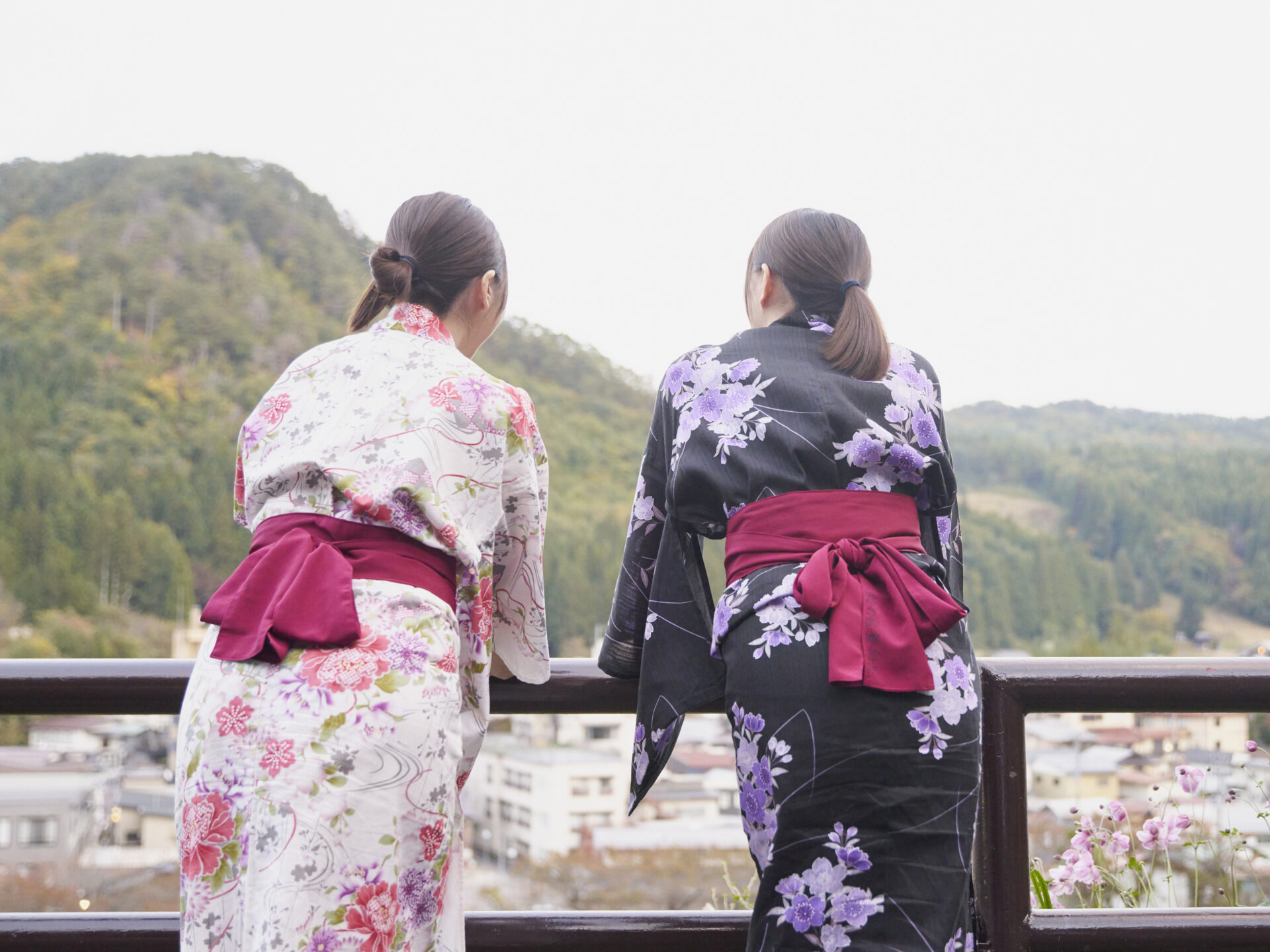
Toji means staying at the same hot spring town for several days or even weeks, not just one night. Instead of rushing from one sightseeing spot to the next, you bathe a few times a day, rest slowly and eat local food.
Onogawa Onsen has a history of about 1,200 years. According to legend, the famous poet Ono no Komachi fell ill while traveling and healed her body in this hot spring.
Traditional toji lasted 21 days
In old Japan, seven days were called one hitomawari (“one round”). This was the shortest unit of toji. A full, traditional toji was mimawari (“three rounds”), or 21 days.
How to bathe during one round (7 days)
During toji, you change the number of baths you take each day. Here is one traditional rhythm for seven days:
| Day 1 | Day 2 | Day 3 | Day 4 | Day 5 | Day 6 | Day 7 |
|---|---|---|---|---|---|---|
| 1 bath | 2 baths | 3 baths | Rest (shower only) | 3 baths | 2 baths | 1 bath |
You slowly increase the number of baths to let your body get used to the hot spring. On day 4, you do not soak in the onsen. You just take a light shower and let your body rest. Then you slowly reduce the number of baths again. Repeat this seven-day rhythm three times, and you have completed a 21-day mimawari.
In the late Edo period, “one-night toji” became popular among travelers who stopped at an onsen for just one night on their journey. Even so, the culture of long toji stays lived on in the hot spring towns of the Tohoku region.
Toji for today
Taking 21 days off is not easy in modern life. At Tofuya Ryokan, we offer model courses of 2, 4 and 6 nights so you can enjoy the rhythm of Nemuri Toji more easily. With 6 nights and 7 days, you can experience one full traditional hitomawari.
Even the samurai lord Date Masamune came here to heal
Date Masamune, one of Japan’s most famous samurai warlords, was born and raised in Yonezawa. In 1589, at the age of 23, he fell from his horse in the castle town of Yonezawa and injured his left leg. It is believed that the bone was broken.
After resting for a while, Masamune came to Onogawa Onsen for toji. It is said that while he rested his leg in the hot spring, he made plans for his next battle with his retainers.
Many years later, when his remains were studied, researchers found the mark of a healed fracture on the bone of his left leg.
Since long ago, Onogawa Onsen has been a place where people come to rest and recover.
Three luxuries of Nemuri Toji at Tofuya Ryokan
1. The luxury of 100% natural, free-flowing hot spring water

Rare even in Japan, the land of hot springs
Japan is one of the great hot spring countries of the world, with more than 20,000 hot spring sources. Even so, it is said that only about 1% of hot springs in Japan offer 100% natural, free-flowing hot spring water.
Many onsen recycle their water
Japan has many hot spring facilities, but quite a few of them use a “circulation” system: the water in the bath is filtered and sent back into the bath again. In hot spring towns without enough water, or in facilities with very large baths, they cannot fill the baths without reusing the water.
Also, the mineral analysis posted at a hot spring facility describes the spring water when it comes out of the ground, not the water in the bath itself. There is also no rule about how much hot spring water must be in the bath. Water that is filtered again and again may have a strong smell of chlorine from disinfection, and may not feel much like a real hot spring.
What is kakenagashi?
Kakenagashi means that fresh hot spring water flows into the bath, and the water that overflows simply runs away. The water is never reused, so the bath is always filled with new water. Only hot spring towns with a large supply of water can do this.
Only possible in Onogawa Onsen
The water of Onogawa Onsen begins as rain that falls on Mount Azuma. Over about 40 years, it travels through the earth and comes back to the surface as a hot spring. The land here is perfect for hot springs, and more than 1,300 liters of hot water rise every minute.
At Tofuya Ryokan, we fill the baths with hot spring water only, from the very start. After the baths are full, we keep pouring in only hot spring water, a blend from two natural sources, and let the overflow run away. This is what we mean by 100% natural, free-flowing hot spring water.
Fresh hot spring water, just out of the ground, every day, no matter how many nights you stay. This is rare even in Japan, and it is the greatest luxury of Nemuri Toji.
About the water and how to enjoy it
- The water contains sulfur, sodium, calcium, chloride and more. It is neutral and gentle on the skin. Because it contains salt, your body stays warm long after your bath.
- Contrast bathing with the low-temperature spring bath: both the men’s and women’s large baths have a low-temperature bath with free-flowing water from our 35℃ natural source. Go back and forth between the 42℃ hot spring bath and the low-temperature bath. In the women’s bath it feels lukewarm; in the men’s bath it feels cold, like a cold plunge. You can stay in the low-temperature bath for a long time, and your mind becomes calm.
- The large baths are open all night, until 9 a.m. If you wake up in the middle of the night, a quiet hot spring is waiting for you.
- Between 9 a.m. and 3 p.m., the large baths may be closed for cleaning. Our front desk will show you which baths (such as the private bath) you can use during that time.
- In winter, you can enjoy snow-viewing baths in both the men’s and women’s outdoor baths.
2. The luxury of three kinds of sauna
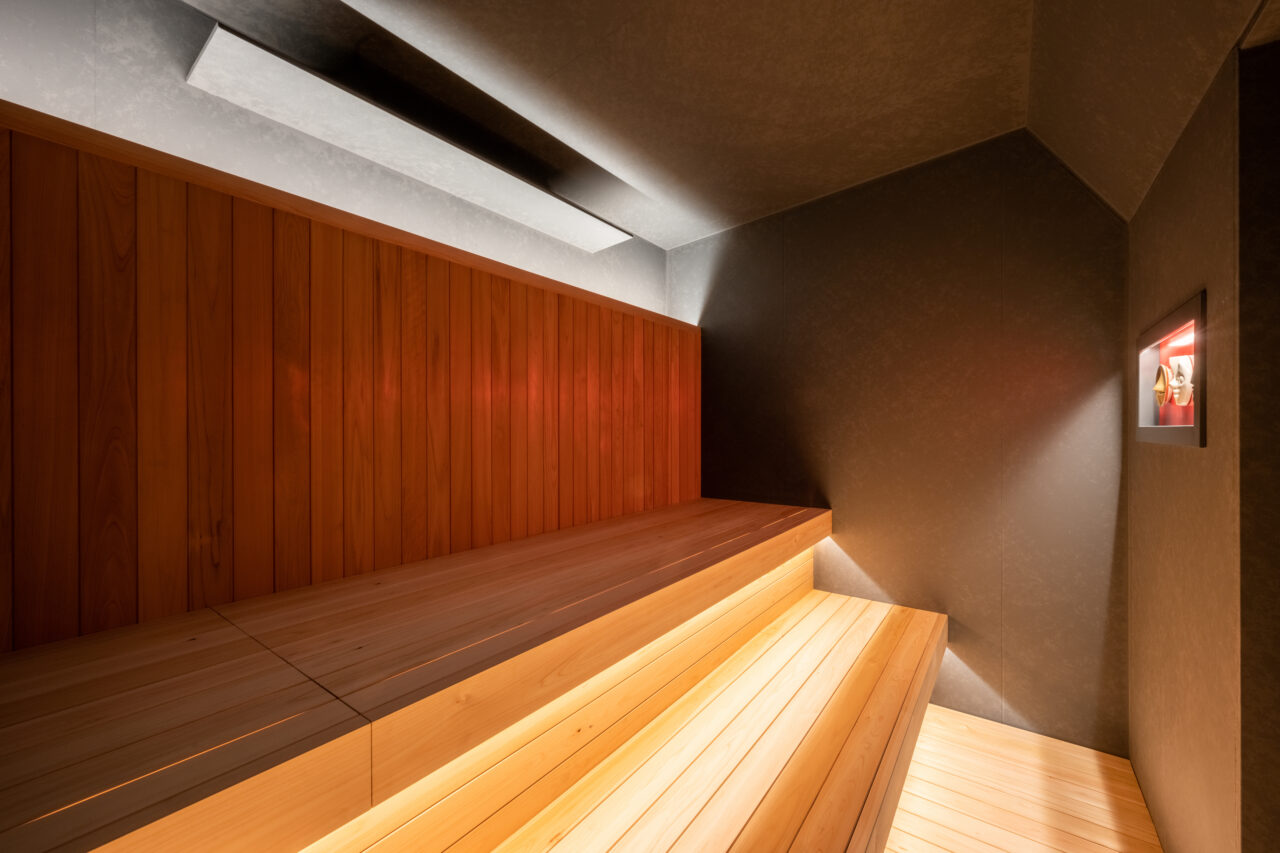
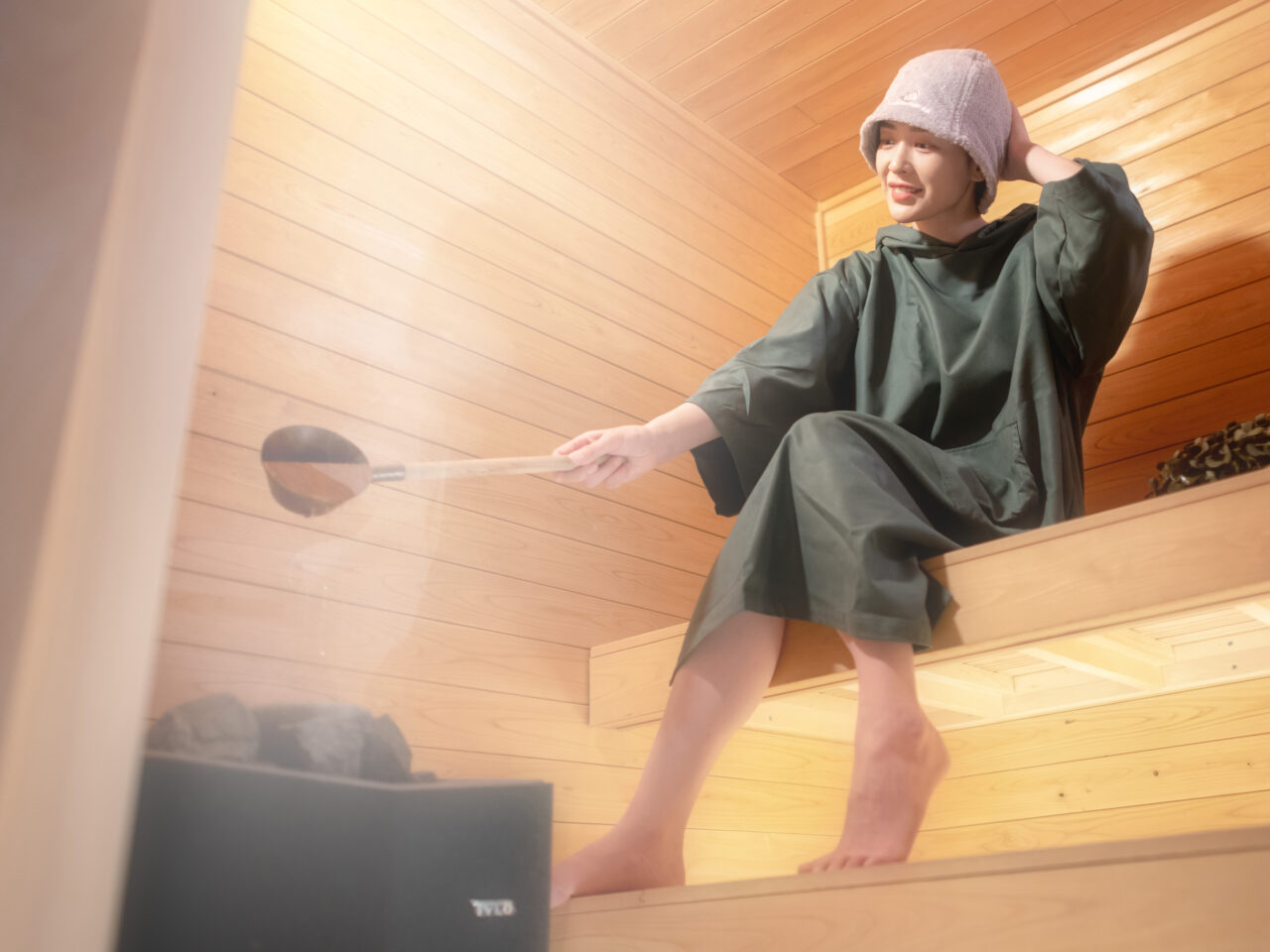
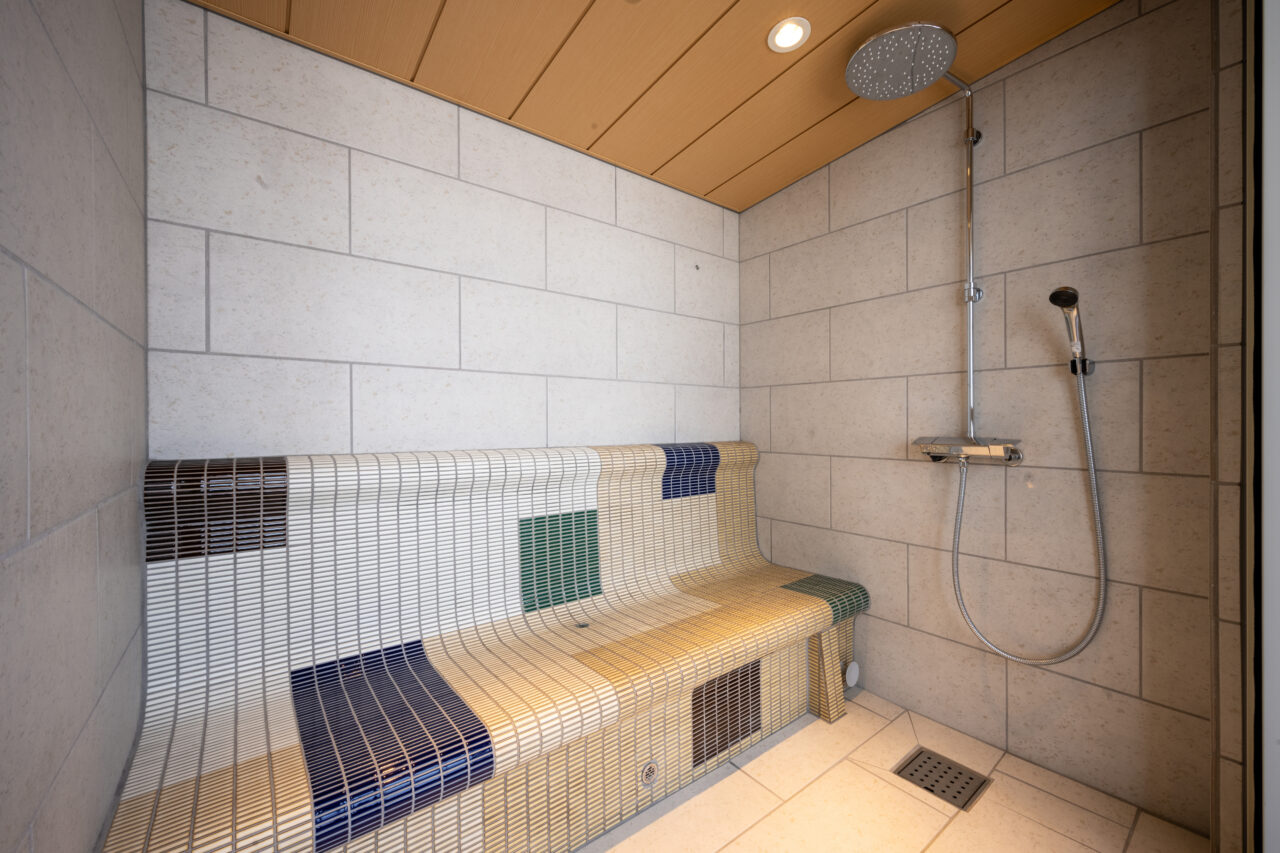
Tofuya Ryokan is a small inn, but we have three kinds of sauna. You can choose one depending on your mood and how you feel that day. This is one of the pleasures of a longer stay.
- Sauna in the men’s large bath: A sauna with auto-löyly and hot air, where you can sweat well (open until 11 p.m.). You can use the cool hot spring bath as a cold plunge, and there is a resting space.
- Private sauna “Tsurukame”: A private sauna for reservations only, with a sauna room, cold bath, indoor resting area and outdoor resting area. The sauna stove is made by Tylö of Sweden. Pour water on the hot stones yourself (self-löyly) and enjoy a soft, humid heat just the way you like it. Women, couples and guests with tattoos are welcome.
- Steam sauna in the suite room: A steam sauna inside your room. Wrapped in warm steam, you can relax without worrying about anyone else.
In Japan, the feeling of being clear and refreshed after repeating sauna, cold bath and rest is called totonou.
3. The luxury of a deep, peaceful sleep
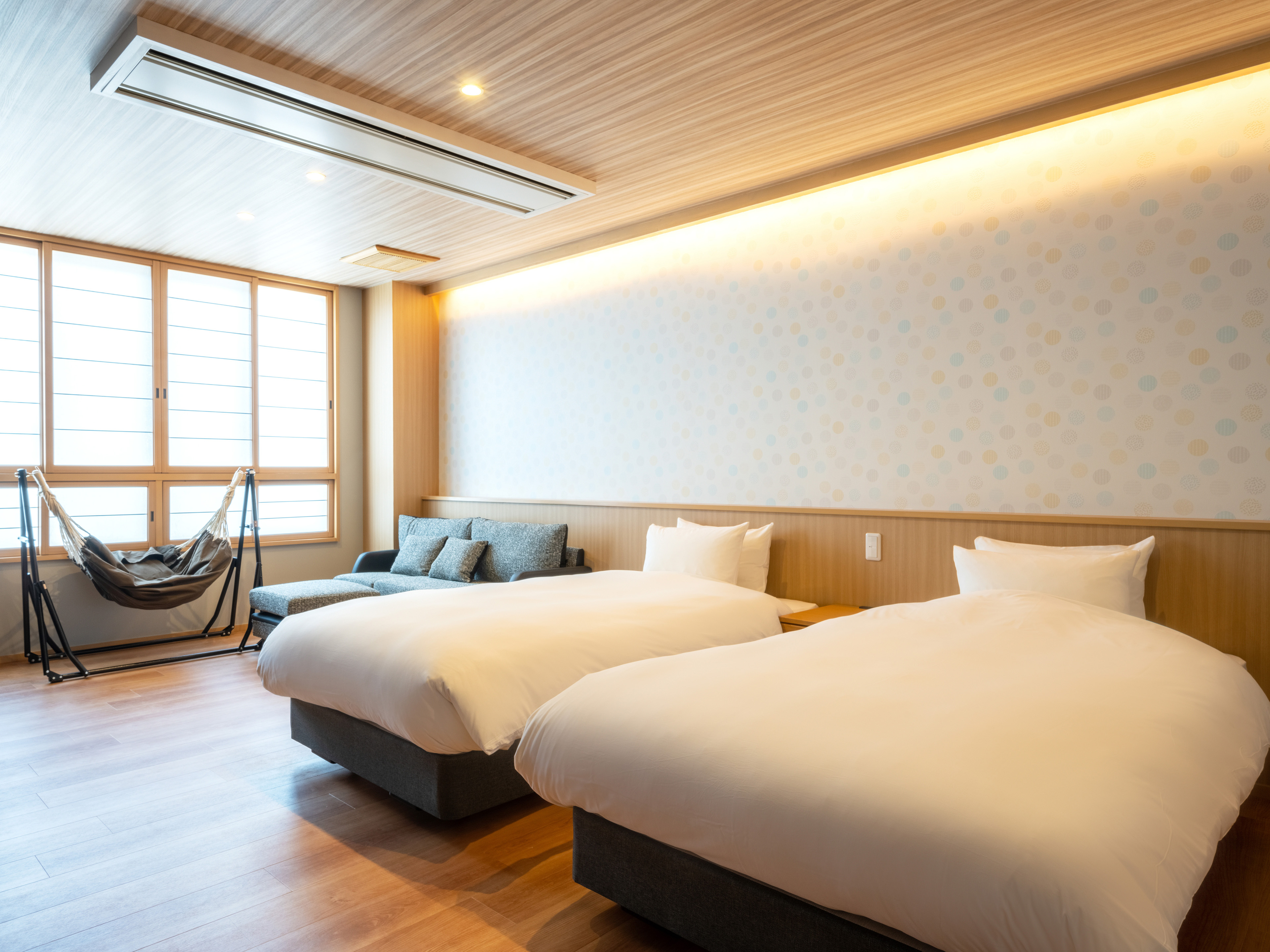
Onsen and sleep
After a hot spring bath, the heat slowly leaves your warm body. It is said that this is when sleepiness comes most easily. We recommend a slow soak in the lukewarm bath or the hot spring before going to bed.
Quiet nights
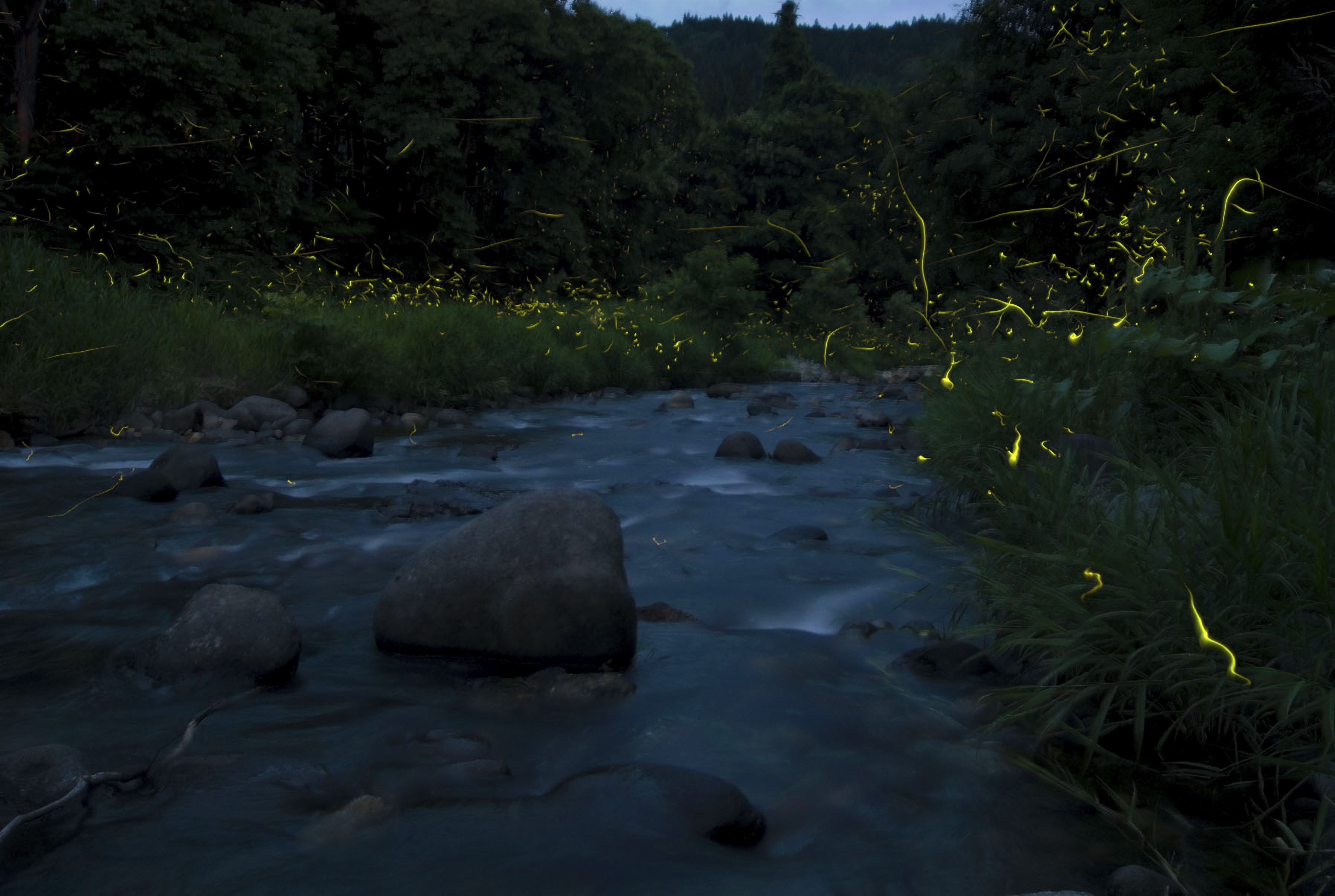
- Onogawa Onsen is a small hot spring town in the mountains. Nights are quiet, and you can fall asleep to the sound of the river.
- On early summer nights, you can see fireflies along the river in the town. The fireflies of Onogawa have been selected by Japan’s Ministry of the Environment as a protected natural habitat. Watching their soft light in silence calms the mind.
- After your bath, take a walk through the hot spring town, or try drinking the hot spring water at one of the drinking fountains.
Gussuri Onsen (Deep Sleep) Plan
For the first night of your Nemuri Toji, we recommend our Gussuri Onsen Plan.
- Sleep-friendly bedding is guaranteed: airweave mattress pads in rooms with beds, and Asagi Super Wave mattresses in rooms with futon.
- Dinner is sukiyaki made with A5 Yonezawa beef, the highest grade.
- The plan includes anmin tofu (“good sleep tofu”). After your bath, you make fresh tofu yourself in your room by adding nigari to soy milk from a local tofu shop (about 20 minutes). Enjoy it with walnuts on top.
How to plan a longer stay
For a longer stay, it is easier if you change your meal plan.
- First night: dinner and breakfast. Enjoy a Yonezawa beef dinner and breakfast at the inn. We recommend the Gussuri Onsen Plan.
- From the second night: room only, or with breakfast. For dinner, enjoy local food at restaurants in the hot spring town or in Yonezawa city.
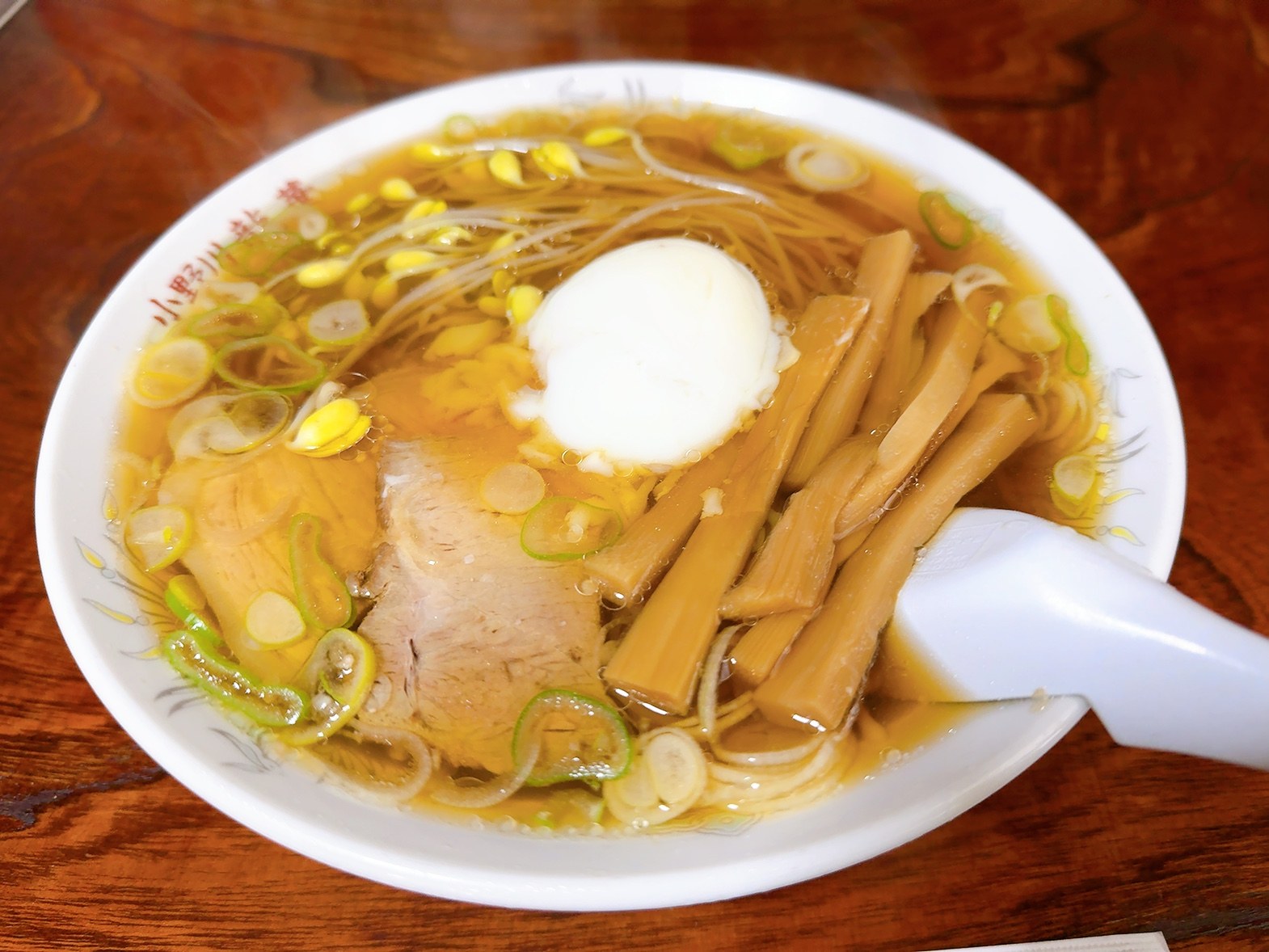
- You can order ramen to your room. Look at the menu at the front desk and order there (orders until 7 p.m.). Eating a bowl of hot ramen in your room in your yukata after a bath is a special pleasure of a longer stay.
Please note: meals are decided when you book. We cannot change them at check-in, so please choose your plan when you make your reservation.
Model courses
The “Baths” column shows the number of baths for the day. In every course, a hot spring bath before bed helps you sleep soundly, and you finish with a morning bath on the last day.
2 nights, 3 days: your first Nemuri Toji
| Day | Baths | How to spend the day |
|---|---|---|
| Day 1 | 1 | Check in at 3 p.m. Change into your yukata and visit the large bath. Enjoy a Yonezawa beef dinner and anmin tofu with the Gussuri Onsen Plan. Go to bed early. |
| Day 2 | 2 | Morning bath and breakfast. Enjoy totonou in the private sauna “Tsurukame.” Yonezawa ramen for lunch. Make onsen eggs or paint a bell. Dinner by delivery or at a local restaurant. |
| Day 3 | 1 | One last morning bath. Check out and take the bus to Yonezawa Station. |
4 nights, 5 days: toji with a rest day
| Day | Baths | How to spend the day |
|---|---|---|
| Day 1 | 1 | Check in. Yonezawa beef dinner. |
| Day 2 | 2 | Private sauna “Tsurukame.” Walk through the hot spring town to a drinking fountain. |
| Day 3 | 3 | Private bath “Nijushiko.” Make onsen eggs. Ramen delivery for dinner. |
| Day 4 | Rest | A day without soaking in the onsen; just take a light shower. Take the local bus to Yonezawa and walk around the castle town, including Uesugi Shrine. |
| Day 5 | 1 | Finish with a morning bath. Check out. |
6 nights, 7 days: one full round of toji
| Day | Baths | How to spend the day |
|---|---|---|
| Day 1 | 1 | Check in. Yonezawa beef dinner. |
| Day 2 | 2 | Walk through the hot spring town to a drinking fountain. Let your body get used to the hot spring. |
| Day 3 | 3 | Enjoy totonou in the private sauna “Tsurukame.” |
| Day 4 | Rest | A day without soaking in the onsen; just take a light shower. Go sightseeing in Yonezawa, or relax in your room. |
| Day 5 | 3 | Private bath “Nijushiko.” Make onsen eggs. |
| Day 6 | 2 | Paint a bell. Take time to do nothing: nap or read. In the evening, watch the fireflies or the stars. |
| Day 7 | 1 | Complete your one round with a last morning bath. Check out. |
Seasonal pleasures
- Winter: snow-viewing baths and the Kamakura Village of snow huts (mid-January to early March, depending on the weather each year)
- Early summer: fireflies in the hot spring town
Tips for enjoying Nemuri Toji
- Drink water before and after bathing.
- Avoid bathing right after a meal or after drinking alcohol.
- Before bed, put down your smartphone and enjoy the hot spring and the quiet night.
- Every day, notice how light your body feels after a bath, how deeply you sleep and how your mood changes. Feeling these small changes is part of the joy of toji.
- Don’t fill your schedule. Making time to do nothing is the best way to enjoy toji.
FAQ
- How many nights do I need for toji? In the past, 21 days was considered a full toji. Today, you can enjoy the feeling of toji with 2 nights or more.
- Can I use the hot springs if I stay room only? Yes. You can use all of our hot spring baths.
- Can I bathe in the daytime? The large baths may be closed for cleaning between 9 a.m. and 3 p.m. Please ask our front desk, and we will show you which baths you can use during that time.
- What should I do for dinner? We recommend dinner at the inn on the first night, and local restaurants or ramen delivery from the second night. Please order ramen at the front desk by 7 p.m.
- Can I use the sauna if I have tattoos? Yes, you can use the private sauna “Tsurukame” and the private bath “Nijushiko.”
Your own Nemuri Toji in Onogawa Onsen

Nemuri Toji is not a trip where you do something special. You bathe in the hot spring, sweat, eat well and sleep deeply. As you repeat this, you face your own body and mind, and you feel yourself slowly changing.
Please feel the power of a hot spring that has healed people for 1,200 years with your own body.
Why not spend your own Nemuri Toji in Onogawa Onsen, where even Date Masamune came to rest?
Read more: How to Enjoy a Japanese Onsen / Yonezawa Beef / How to Get to Yonezawa from Tokyo