An Oil Field Beneath Our Feet: How a Japanese Ryokan Runs on Hot Spring Heat
- 投稿日:
- 2026年10月23日
Japan imports almost all of its oil. But those of us who live where hot springs rise from the ground have something special: an oil field beneath our feet. Our hot spring is a source of energy that never stops flowing.
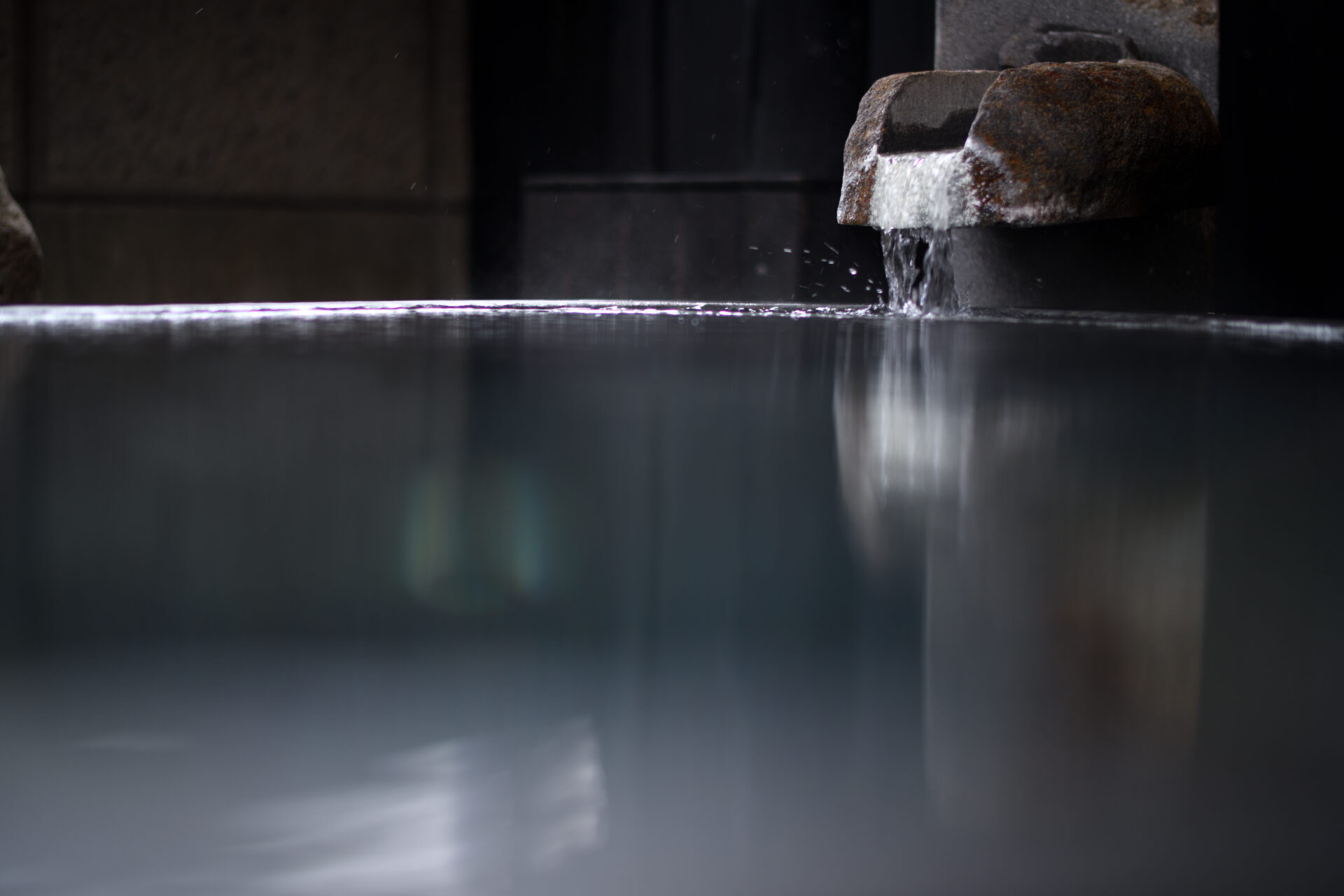
Hot spring water comes up from deep underground and brings heat with it, every day, without rest. If we use this heat wisely, we can be good for the environment and good for the budget at the same time: ecology and economy, together.
At Tofuya Ryokan, a family-run inn in Onogawa Onsen, we have built our inn around this idea. We use the heat of our hot spring, down to the last drop.
Yonezawa is snow country. For months every winter, the town is buried in deep snow. People who live through long, cold winters know how precious warmth is, and they have always learned not to waste a single bit of it. Using every last drop of hot spring heat is our own form of this snow-country wisdom.
In Yonezawa, there is a deep-rooted culture of mottainai, the feeling that it is a shame to waste anything. It goes back to Uesugi Yozan, the lord of Yonezawa. To prepare for famine, Yozan had his doctors study wild plants, and in 1802 the domain published Katemono, a guide to 82 plants that could be mixed with or used in place of grain, along with how to preserve food for years. 1,575 copies were printed and handed out across the domain. When a great famine struck in the 1830s, this knowledge helped save many lives. Many of these foods still live on today in Yonezawa’s home cooking. Yozan turned his ideals into a way of daily life, and in Yonezawa people have been practicing what we now call the SDGs for more than 200 years.
A hot spring ryokan with zero oil
In the past, Tofuya Ryokan heated water with a kerosene boiler. Every year, we used 29 tons of oil, equal to 53 tons of CO2.
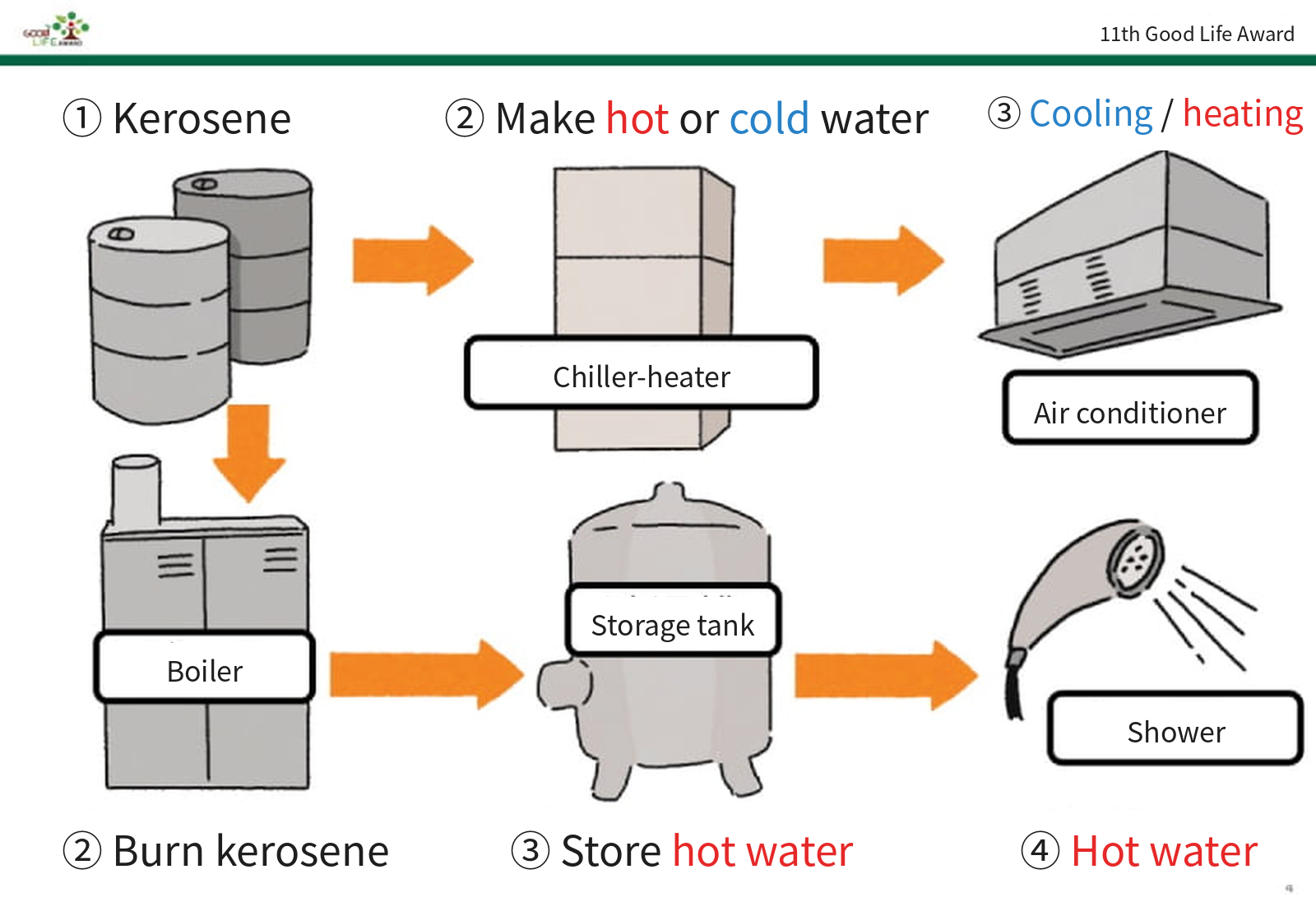
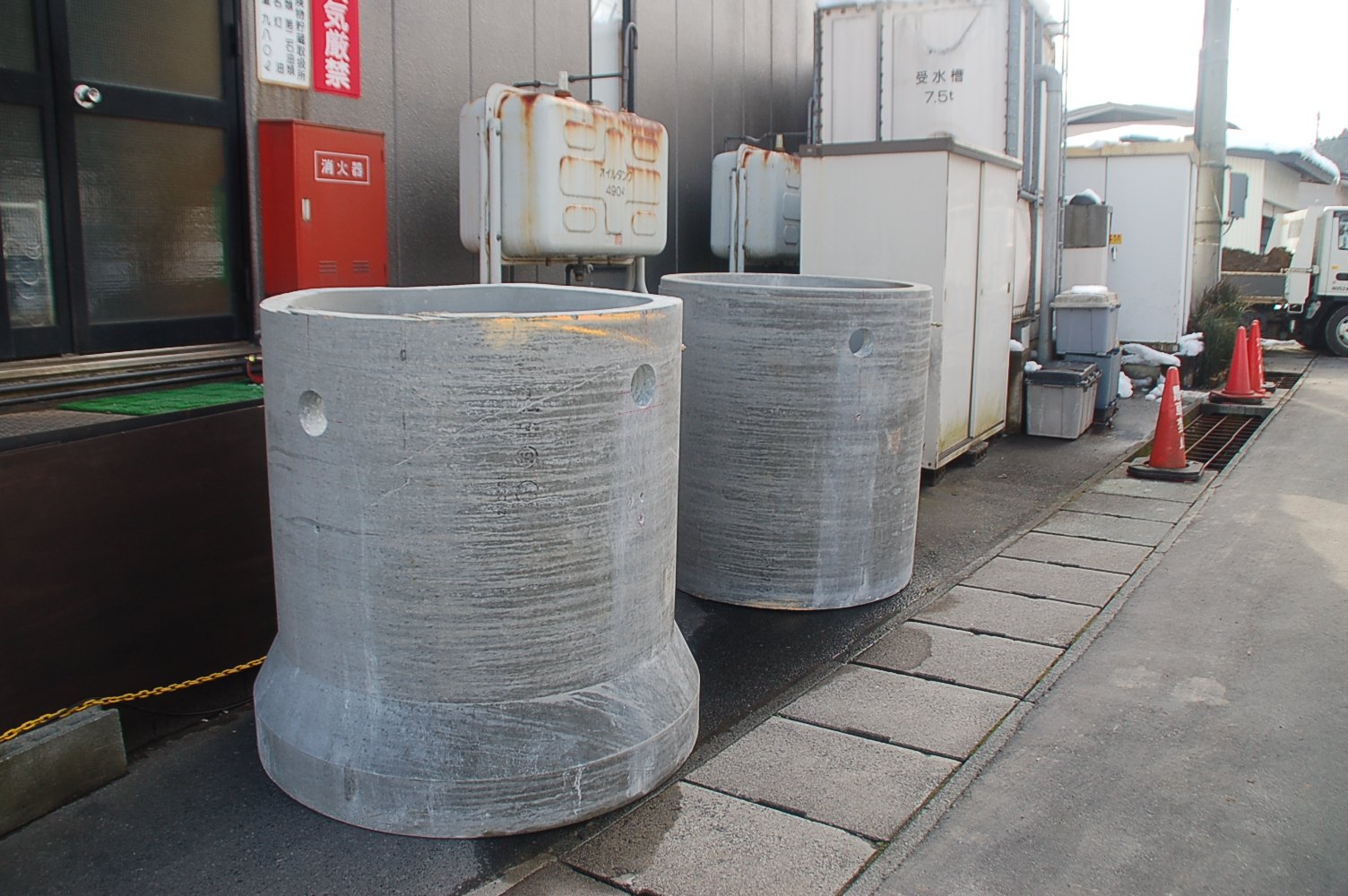
In 2010, we installed a heat pump that takes heat from the hot spring water that overflows from our baths. Since then, the ryokan has used zero oil.
The heat pump started running on February 5, 2010, exactly 100 years after the ryokan received its first business license. The idea came from a simple feeling of mottainai: we were burning kerosene to heat cold water, while 40℃ hot spring water was flowing away down the drain. Removing the oil boiler also brought unexpected gifts: no more risk of a boiler fire, and a guest room above the boiler room, once too noisy to use, could finally welcome guests.
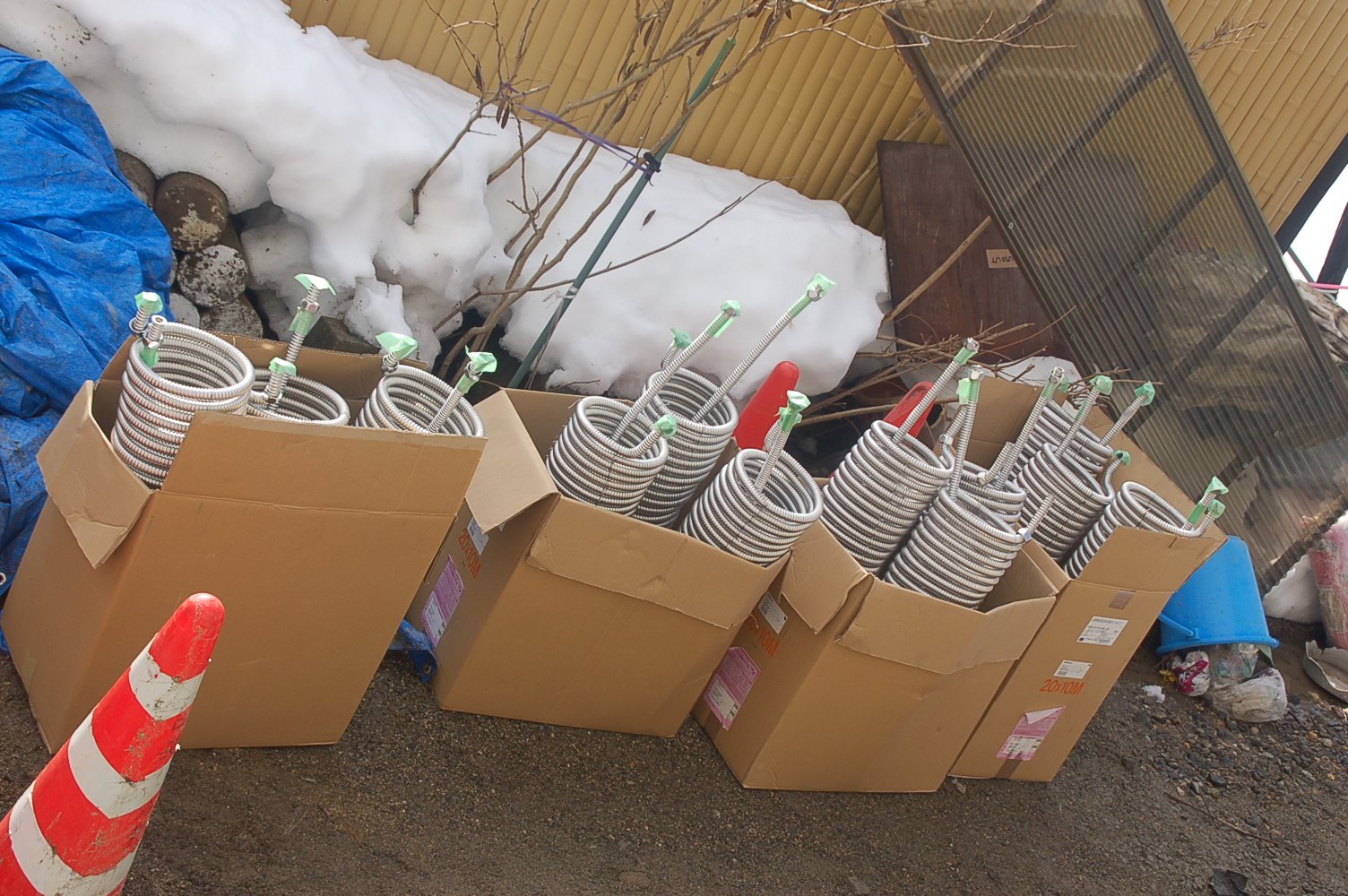
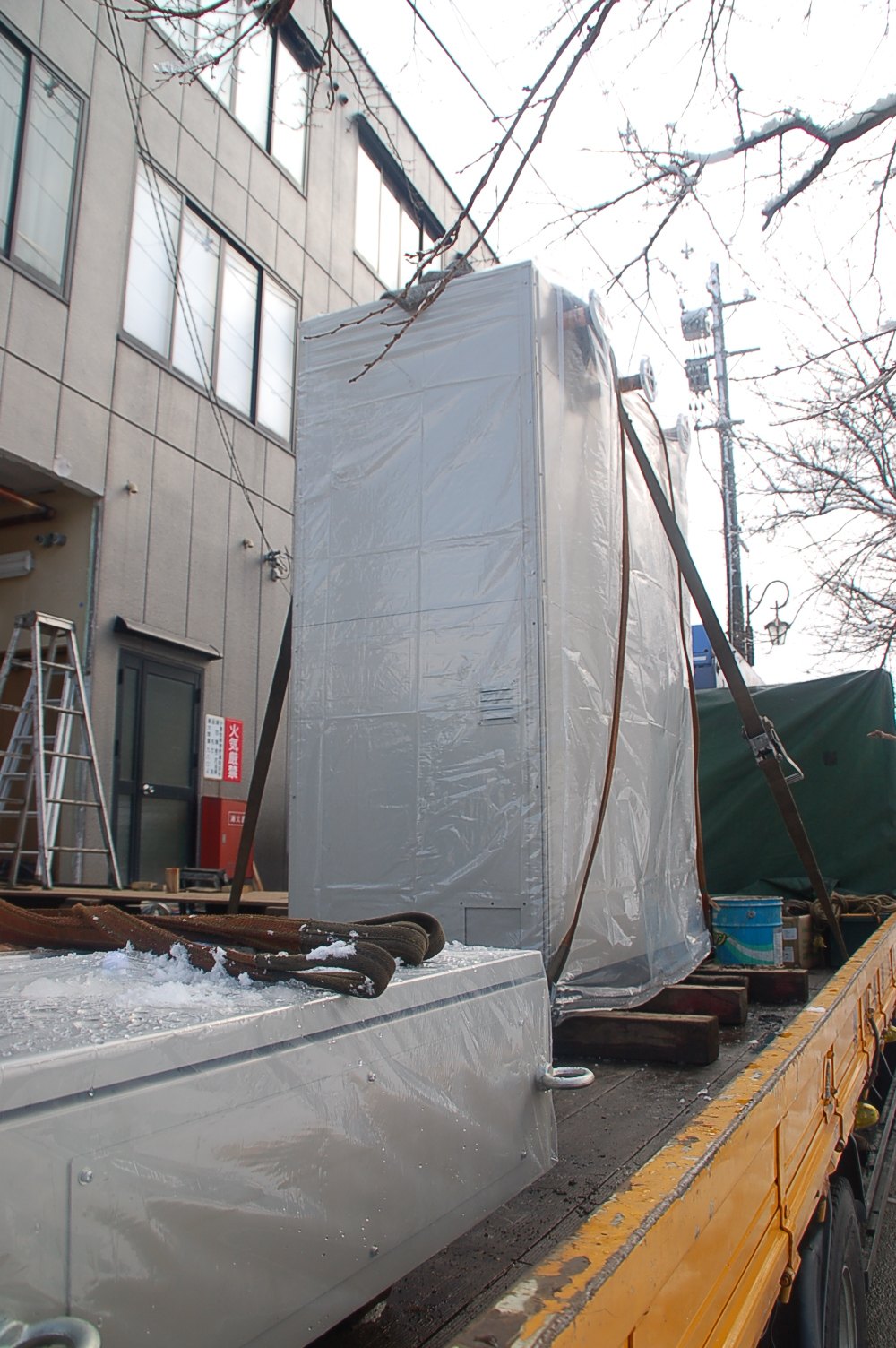
In 2010, the year the heat pump began operating, this work received the Special Jury Prize of the Yamagata Prefecture Environmental Conservation Promotion Award.
Our CO2 reductions were also officially certified under Japan’s Domestic Credit Scheme (project no. JCDM-PJ000287). In January 2011, the government’s certification committee certified 40 tons of CO2 reduced in just the first eight months (April to November 2010). According to the Yamagata Shimbun newspaper, our system was the first of its kind in the Tohoku region, and ours was the second project in Yamagata Prefecture, and the first outside manufacturing, to be certified.
Within a year, about 20 companies and groups, many from other hot spring areas, came to see the system, and a hot spring inn in the neighboring town of Takahata installed the same kind of system. As Naoto Endo, who led the project, says: “Even a small business can help the environment, and show it in numbers.”
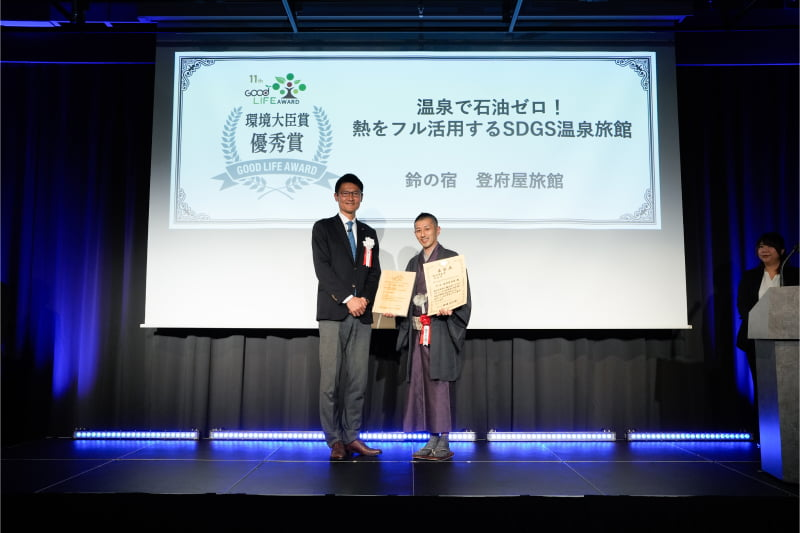
In 2023, this work received the Excellence Award of the Minister of the Environment at Japan’s 11th Good Life Award, for our project “Zero Oil with Hot Springs: An SDGs Ryokan That Uses Its Heat to the Full.”
Using hot spring heat, down to the last drop

Our hot spring water does not stop working once it fills the bath. We use its heat again and again:
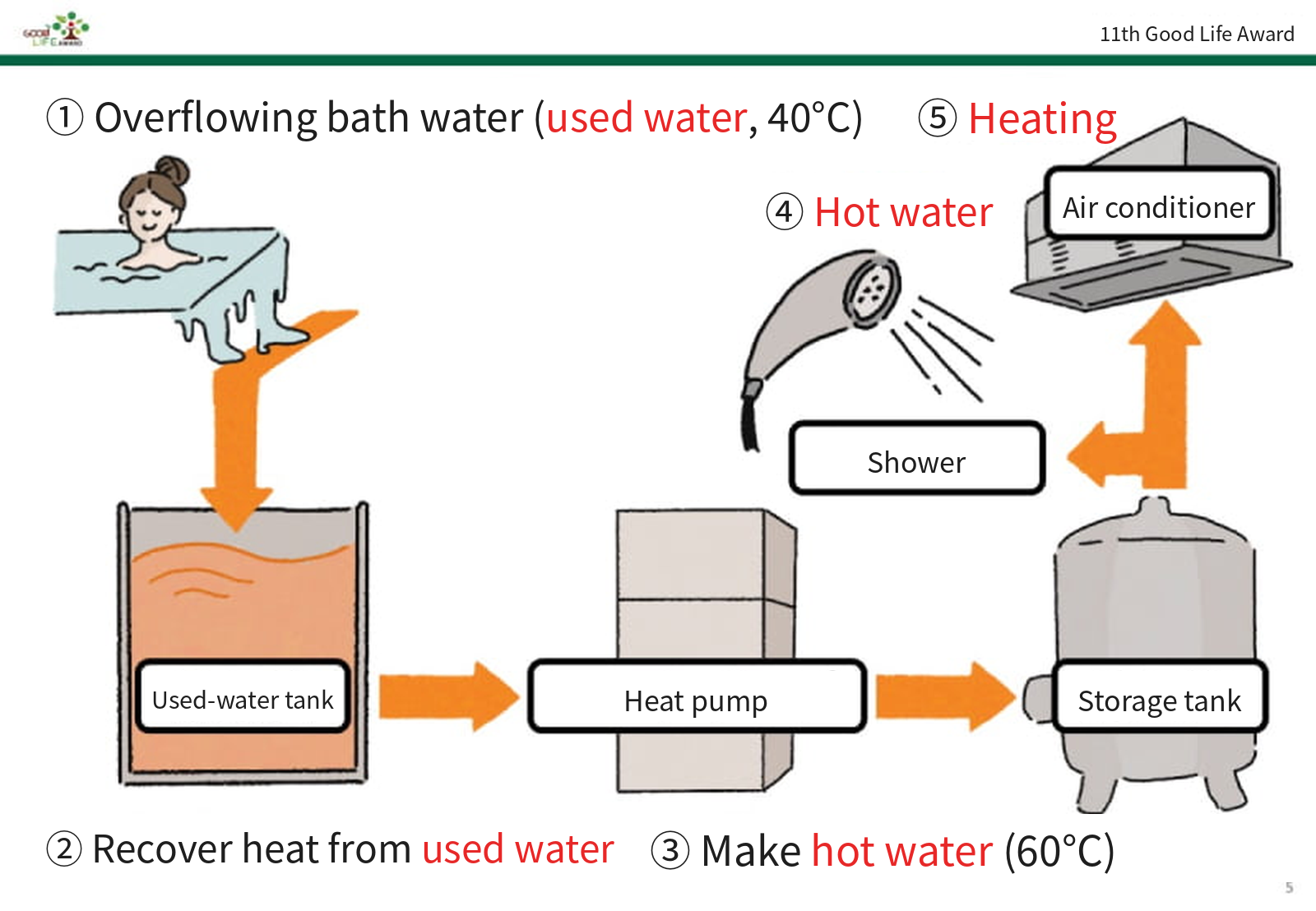
- Heating and hot water: the used hot spring water that flows out of our baths still holds plenty of heat. A heat pump takes this heat and makes hot water. We use that hot water for the hot water taps, and we blow air over it to heat the building.
- The sauna: hot spring pipes run under the floor of the sauna in the men’s large bath. Without them, on a winter day we would have to heat the room from about −10℃ all the way to 80℃. With the hot spring floor heating, the room stays at 50℃ even with the power off, so we only need electricity for the last 30℃.
- A natural cold plunge: after the sauna, guests cool down in a bath of our 35℃ hot spring, flowing freely.
- Snow melting: in snowy winters, the used hot spring water from our baths melts the snow.
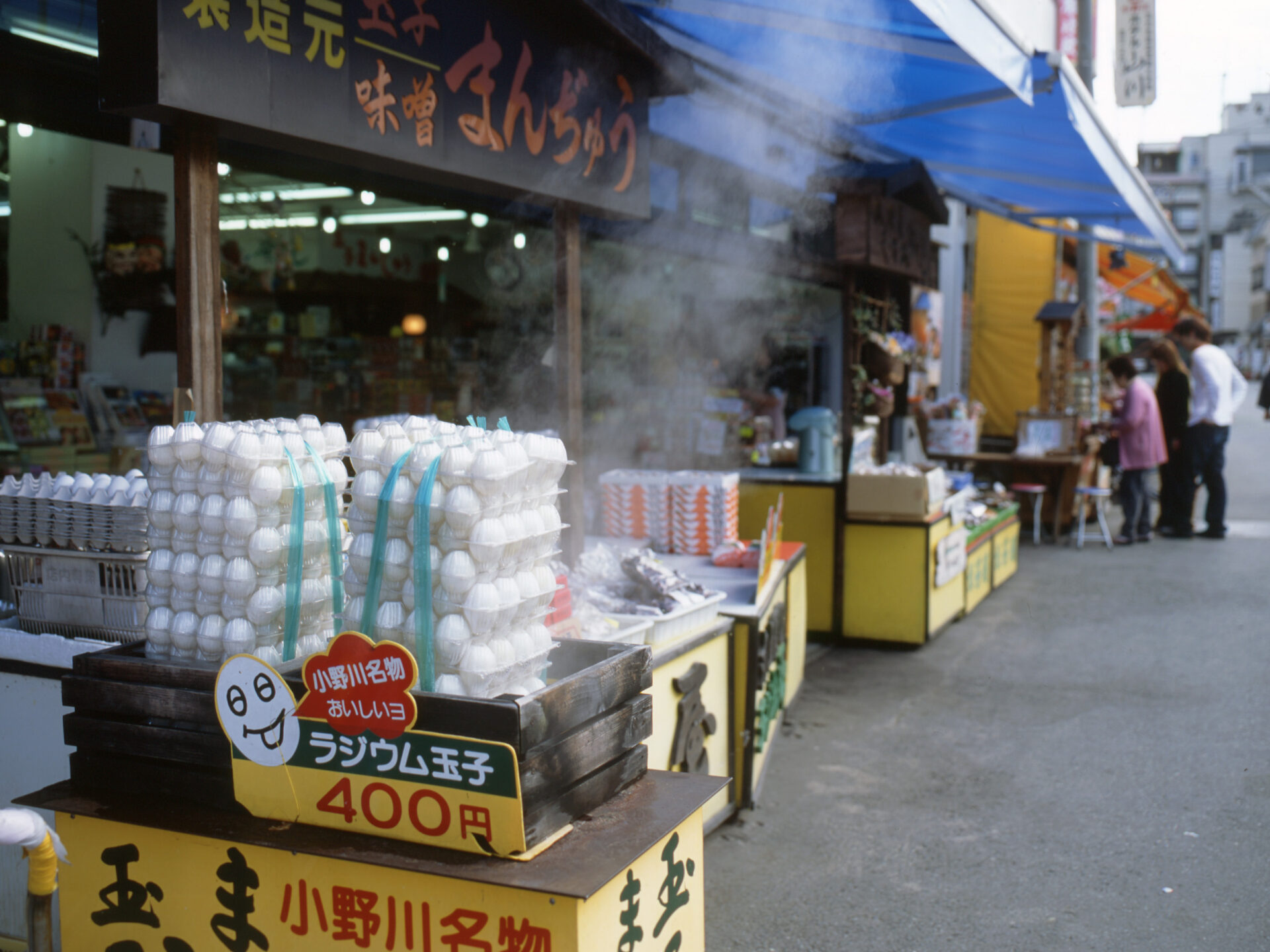
- Onsen eggs: we cook eggs with the heat of the spring itself, and adjust how firm they are by the cooking time.
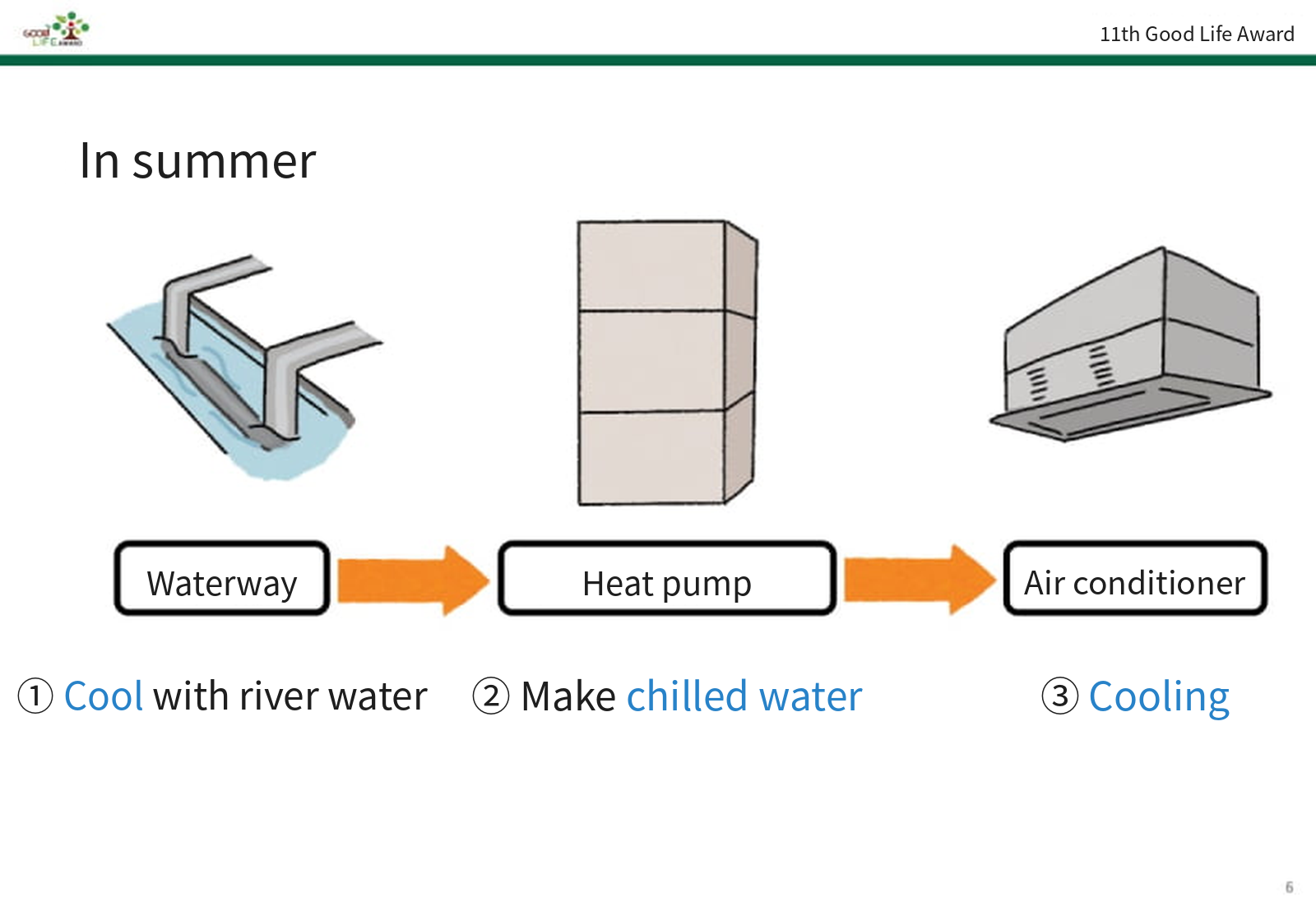
In summer, we use a heat pump to cool the building. A heat pump works by moving heat from one place to another. To cool the inside, it has to release the heat somewhere outside. Most air conditioners release it into the hot summer air, which takes a lot of electricity. We release it into the cool water of the river instead. Because the river is much cooler than the summer air, the heat pump can work with less effort and uses less electricity. In winter, we need heat, so we take it from the used hot spring water. In summer, we want to get rid of heat, so we give it to the cool river. Hot spring in winter, river in summer: we use the power of nature in the mountains, season by season.

Small things, every day
- All lighting in the ryokan is LED.
- We use water-saving showers.
- For guests staying more than one night, we ask before cleaning whether you would like your towels and sheets changed. We also check whether you need new amenities such as toothbrushes.
- Shampoo and soap are in refillable dispensers.
- Every room has always had a stainless steel pot filled with cold drinking water. We have never served water in plastic bottles.
- We sort our waste carefully, following the rules of Yonezawa City.
Local food and local connections
- About 80% of the ingredients in our meals come from Yamagata and the local Okitama region.
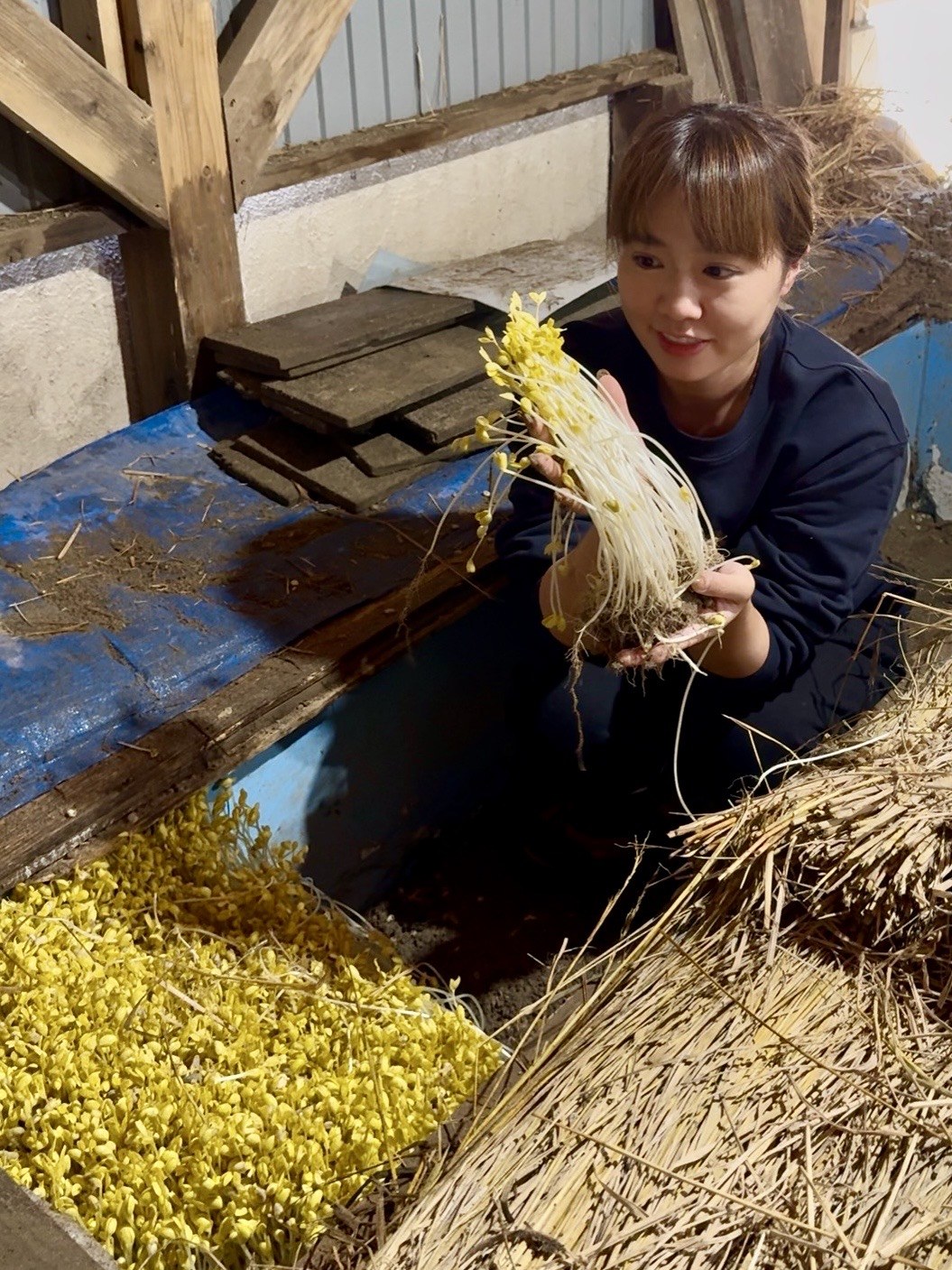
- Onogawa’s famous bean sprouts (mame-moyashi) are grown using hot spring heat. By serving them, we help keep this traditional local vegetable alive.
- For sauna whisking, we use eucalyptus from Sagae that is too short to be sold as cut flowers and was once thrown away.
Gensen Tamago: a sustainable egg made by “Team Yonezawa”
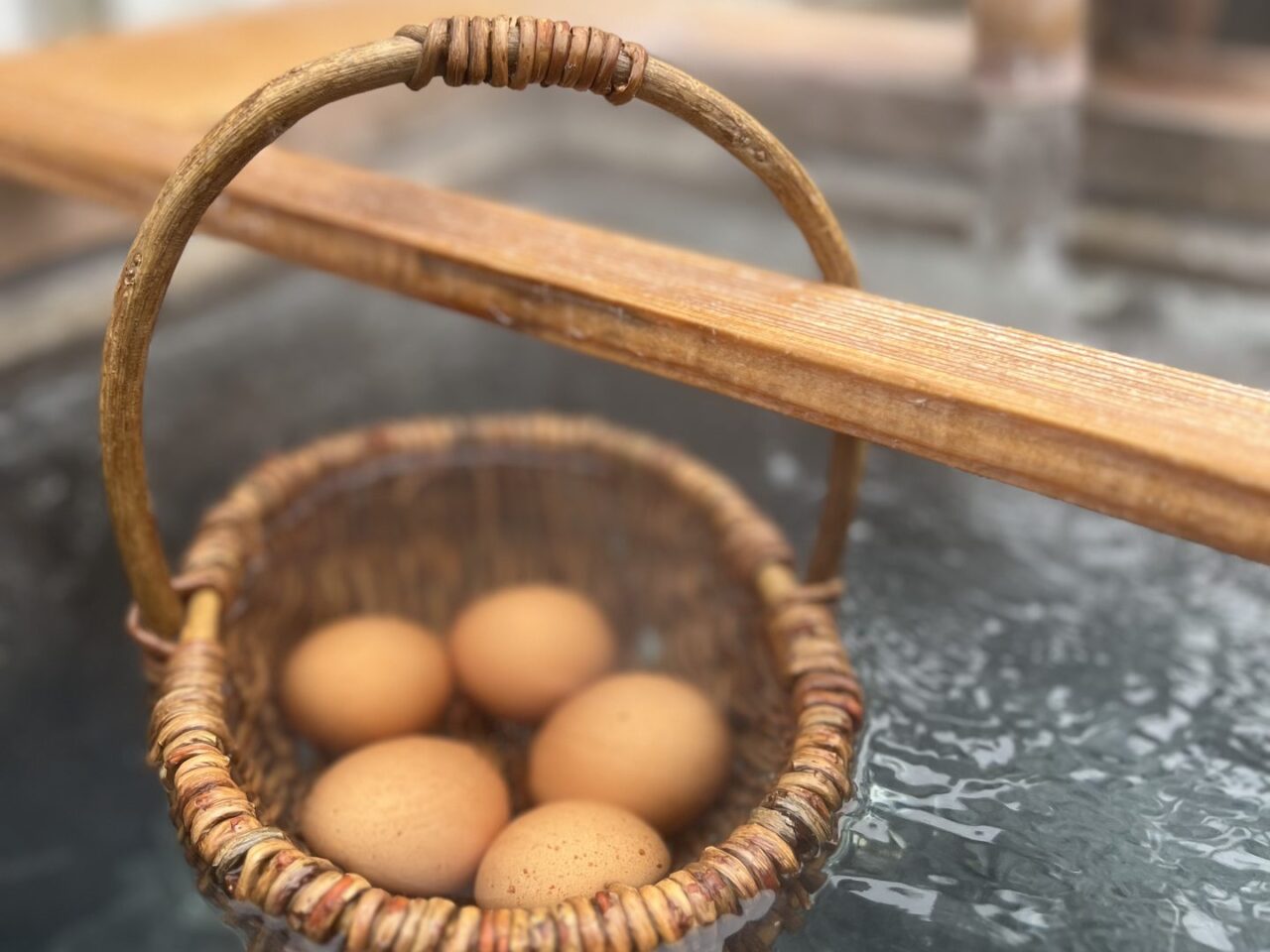
In Japan, “onsen eggs” can legally be made with ordinary tap water. Our Gensen Tamago (“source eggs”) are different: we cook them only with the heat of fresh hot spring water, in a basin made just for eggs, with 100% free-flowing hot spring water.
The eggs come from Ufu Ufu Company in Yonezawa, and they are part of a local circle:
- The Shinden family in Yonezawa carries on the tradition of safflower (benibana) dyeing and grows its own safflowers.
- After the flowers are harvested, the stems and leaves are not thrown away. They go to Ufu Ufu Company and become feed for the hens.
- The hens that eat safflower lay “Benibana Eggs.”
- We cook these eggs with natural energy: the heat of our hot spring. The result is Gensen Tamago.
- Even the package is decorated with “Hina no Yoi,” a safflower-dyed textile made by the Shinden family.
Safflower farmers and craftspeople, a poultry farm and a hot spring ryokan: our local work is connected by the safflower, and nothing goes to waste. During your stay in Japan, you can buy Gensen Tamago at the ryokan as a souvenir to enjoy on your travels.
The Firefly Revival Project (starting now)
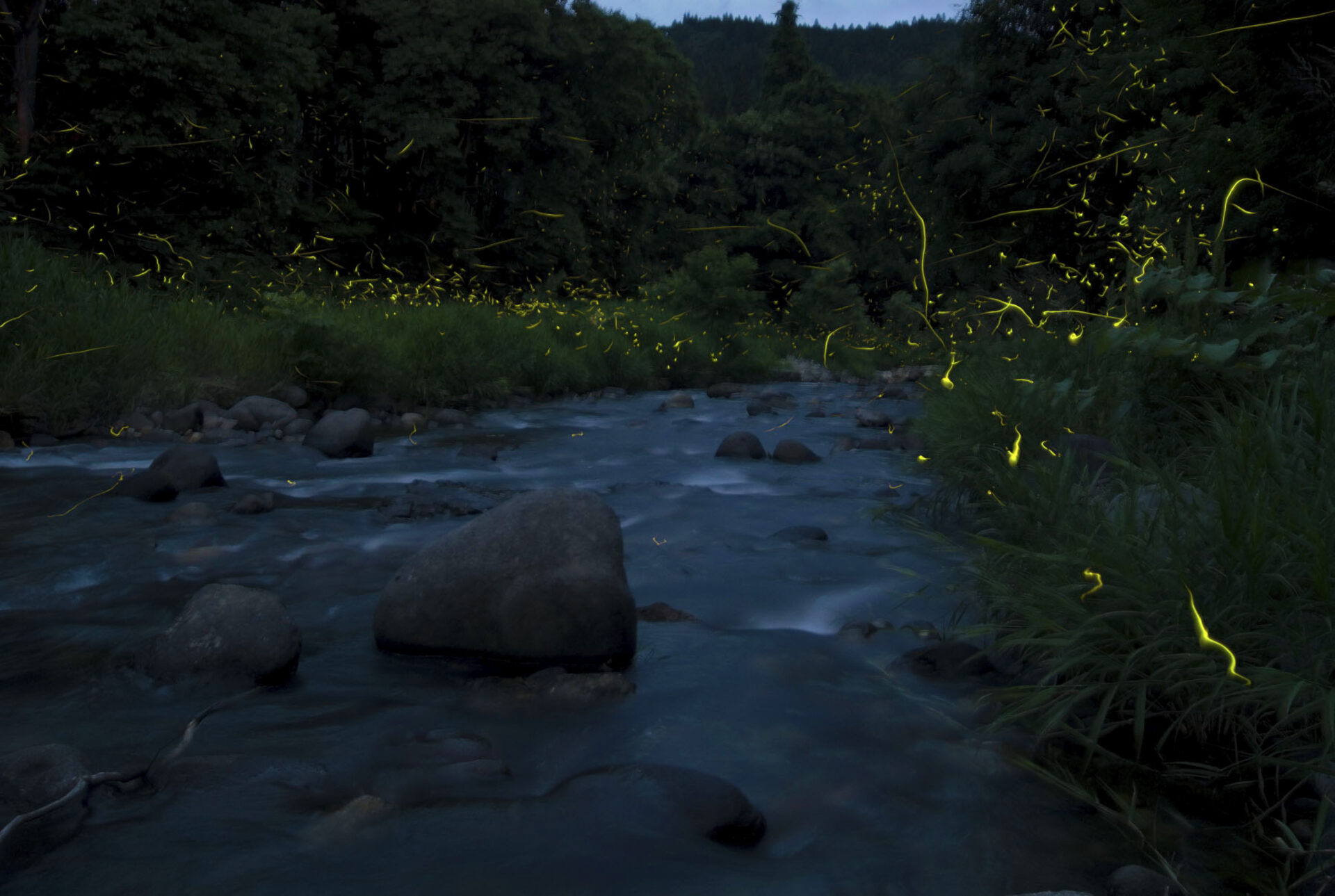
The fireflies of Onogawa have been selected by Japan’s Ministry of the Environment as a protected natural habitat. We are now starting to raise kawanina, the freshwater snails that firefly larvae eat, in our machine room, which stays warm all year from our equipment. Here too, we put heat to use. We will feed the snails with vegetable scraps from our kitchen, which also reduces food waste.
People and culture, for the next generation
- All of our staff are local people, and many of them are older members of the community.
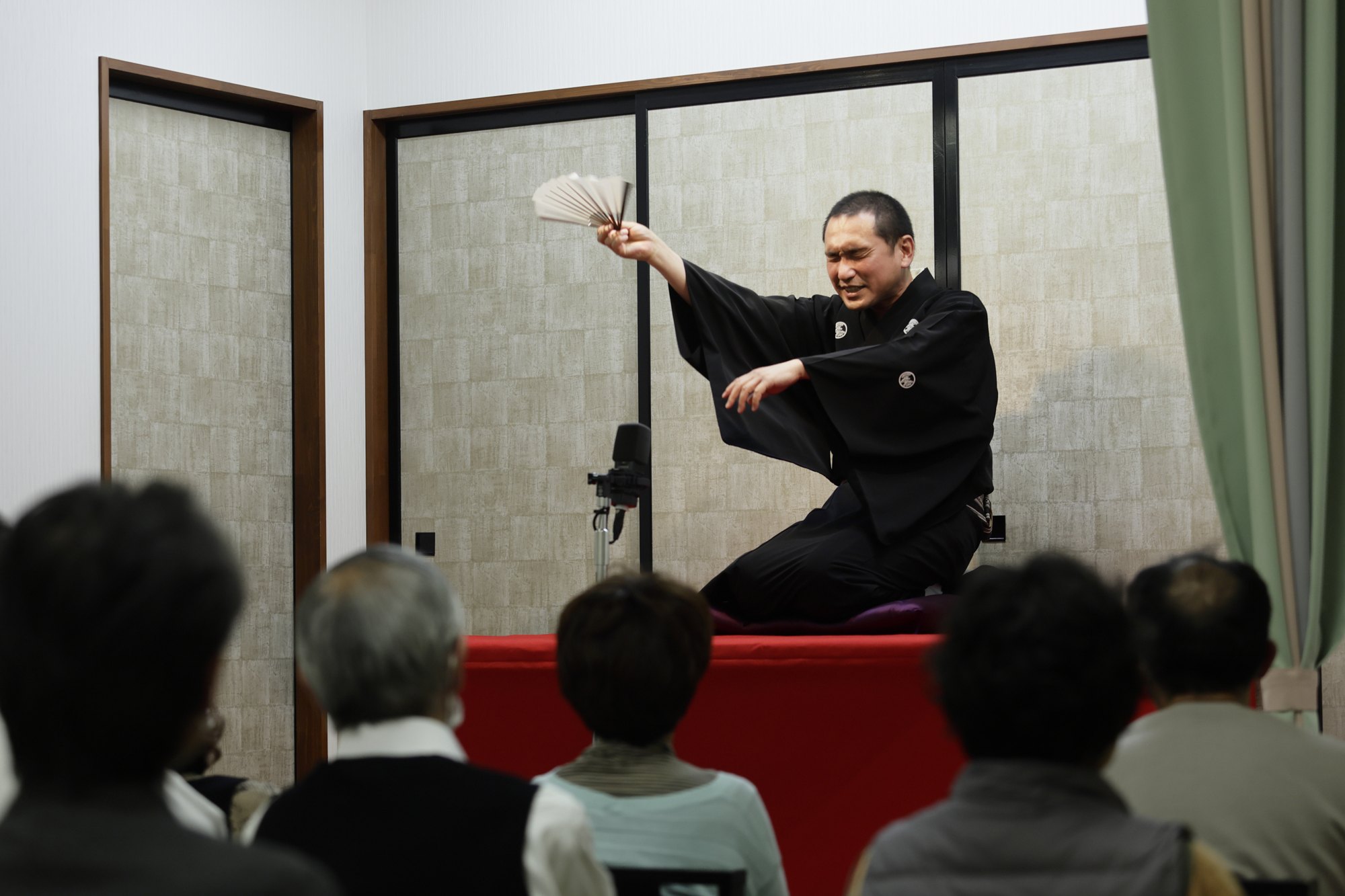
- We created and lead Gotochi Rakugo (“local rakugo”), the first project of its kind in Japan. A rakugo storyteller visits a town, talks with local people, and creates a new rakugo story from what they hear. It began in 2021 in five hot spring towns in Tohoku, including Onogawa Onsen, and has since spread to nine cities and towns in five prefectures, from Miyagi to Kanagawa and Nagasaki. In Omura, Nagasaki, it even became an event that combined rakugo, running and cleaning up the beach. In 2022, Gotochi Rakugo received the Excellence Award of the “Inn Friendly to People” award from the All Japan Ryokan Hotel Association. Watch the Onogawa Onsen story, “Iwashi Jizo” (The Sardine Jizo), on YouTube (in Japanese).
- We play a central role in running local events such as the Onogawa Firefly Festival and Kamakura Village.
Travel for everyone
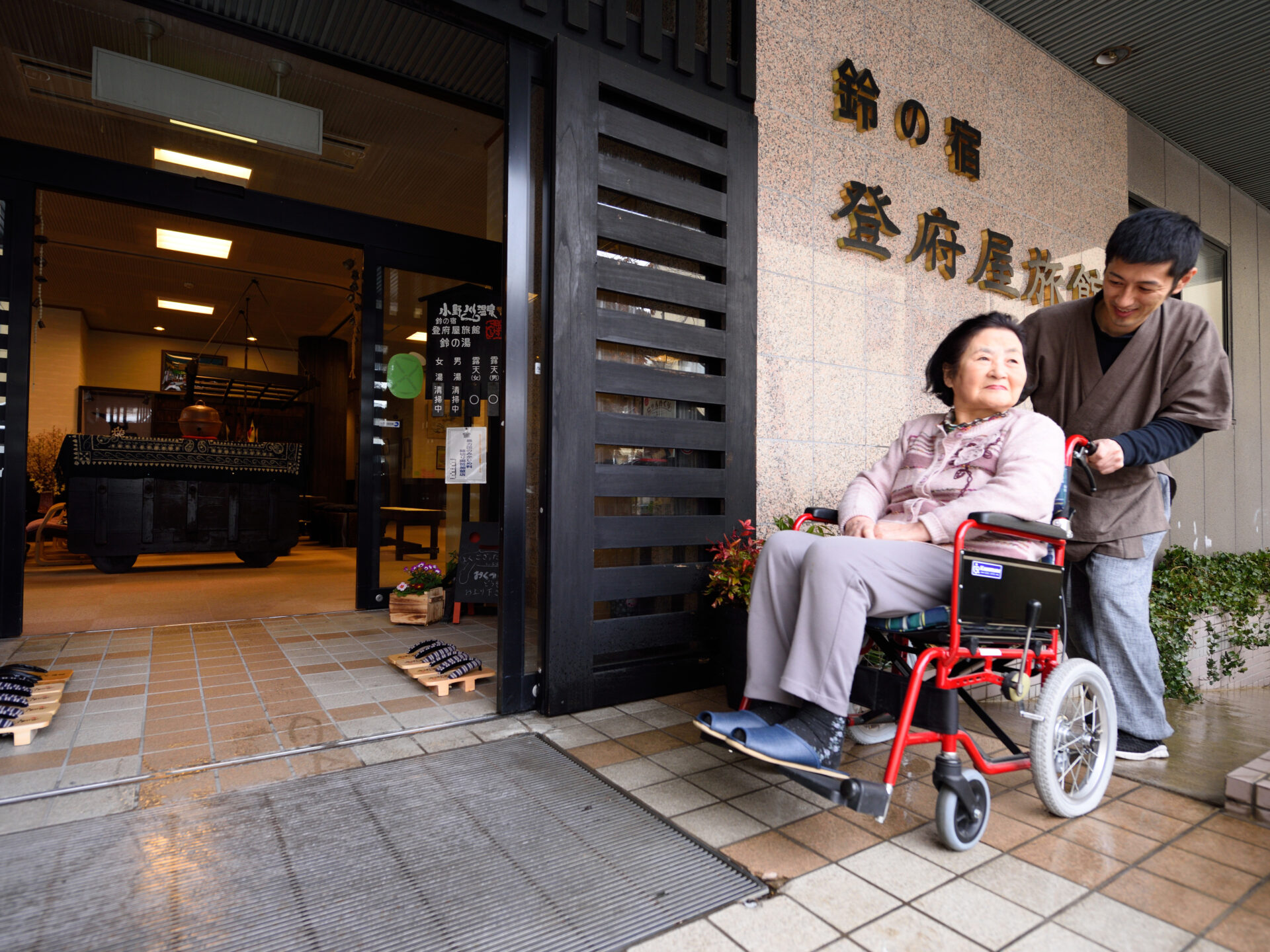
- Certified by the Japan Tourism Agency under its “Barrier-Free Mindset” certification for tourism facilities
- Top prize of the “Inn Friendly to People” award from the All Japan Ryokan Hotel Association (2019), and the Yonezawa Quality Award
- Wheelchair-accessible rooms, a private onsen with a slide-style slope, and a sauna you can enjoy in a wheelchair (read more)
Traveling lightly
- We recommend coming to the ryokan by local bus from Yonezawa Station (access guide).
- The Onogawa Onsen Ryokan Association has installed a shared electric vehicle charger in the hot spring town.
Passing on the oil field beneath our feet
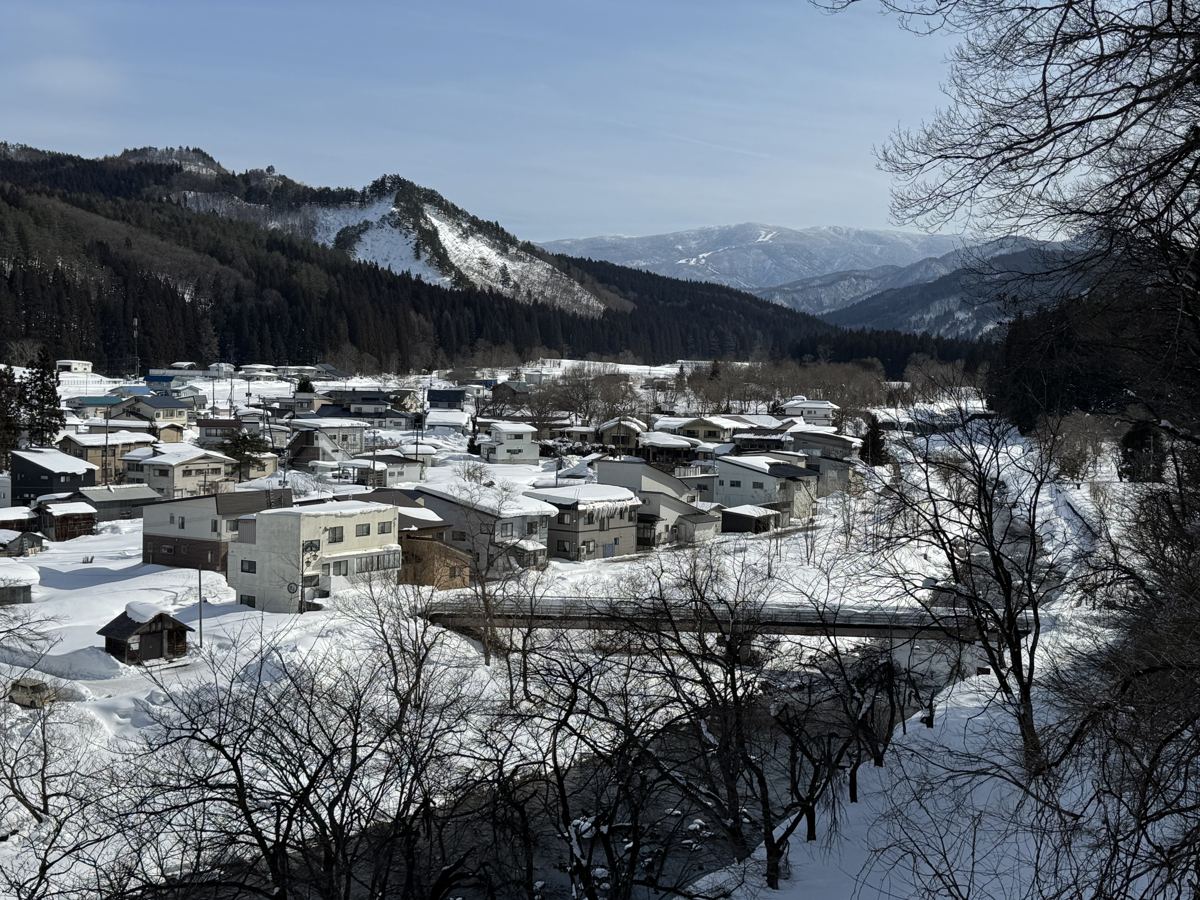
For 1,200 years, this hot spring has warmed the people of this land. We want to use this “oil field beneath our feet” with care, and pass it on to the generations to come.
Here, simply soaking in a hot spring becomes a way of traveling gently on the earth. Come and experience it at Onogawa Onsen.
Read more: How to Enjoy a Japanese Onsen / Nemuri Toji / The Other Side of the Mountain