Seven Generations of a Ryokan: The Family Story of Tofuya Ryokan in Onogawa Onsen
- 投稿日:
- 2026年10月24日
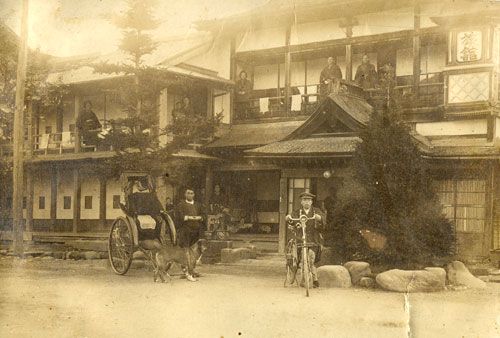
How an inn once called “the tofu house” has stayed in one family
Suzu no Yado Tofuya Ryokan · Naoto Endo, 7th generation
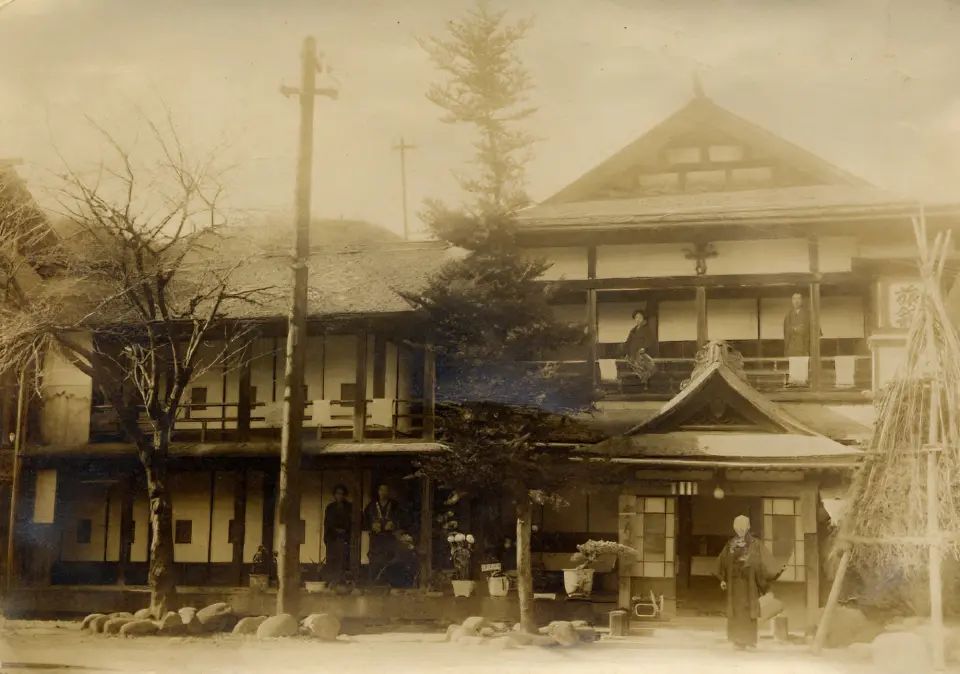
Onogawa Onsen is a hot spring town with 1,200 years of history. It sits in the mountains of Yonezawa, in Yamagata Prefecture. In this town, one family has kept an inn for seven generations. That inn is Tofuya Ryokan.
1st generation · Heizaburo (dates unknown)
From “Aizu-ya” to “the tofu house”
Our story begins in the Edo period (1603–1868). The first master, Heizaburo, called his inn “Aizu-ya.” Aizu is the name of the region on the other side of the mountains.
At that time, Onogawa Onsen was starting to grow busy. Heizaburo made tofu and served it to the craftsmen working in town. Before long, people began calling the inn “Tofu-ya” – the tofu house. Our name was given to us by our guests.
No records remain of the generations between Heizaburo and the next master. Others must have kept the inn in those years, but we cannot trace them. The reason is in the next chapter.
1901 · The Great Fire
The day the town burned
In 1901, a great fire swept through Onogawa Onsen. Almost the whole hot spring town burned down. Tofu-ya burned too, and the inn came to an end for a time.
The fire reached the temple as well. The temple kept a register with the names and death dates of the townspeople, called a kakochō. It was lost in the fire. That is why we do not know the names of our family between Heizaburo and Chonosuke.
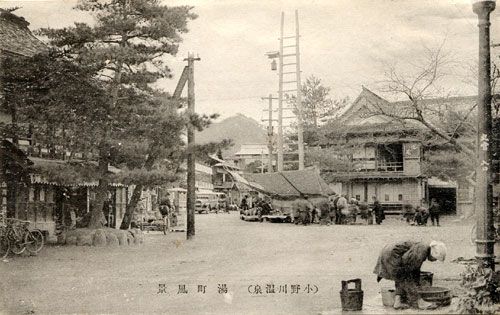
Walk through Onogawa today, and you may notice something. It is an old-style onsen town, yet the street is wide. It was built that way so fire could not jump from the house across the street. This is the lesson the town learned from the fire.
Onogawa Onsen has lived through two great fires. Each time, every inn struggled. And each time, the town lit its lamps over the hot springs again.
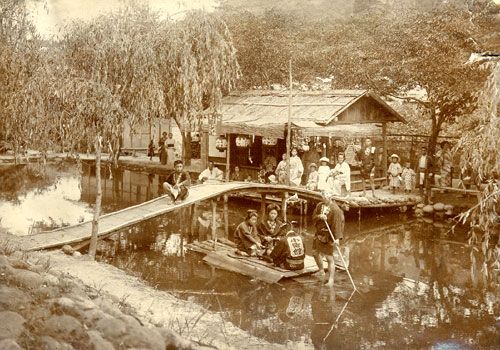
2nd generation · Chonosuke Endo (1871–1923)
Rebuilding from the ashes
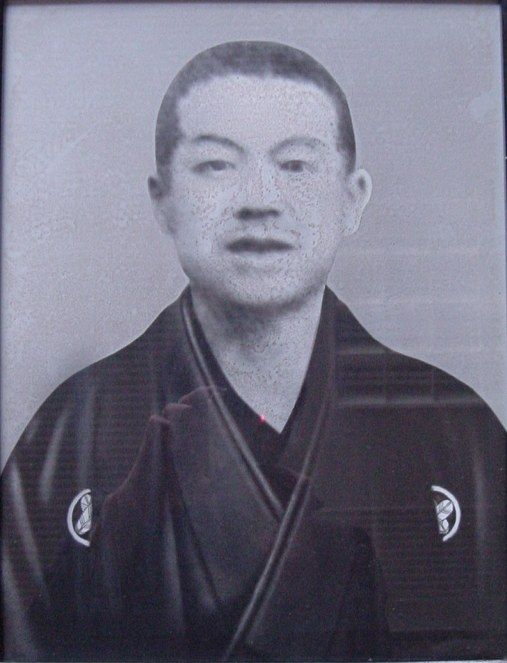
The year after the fire, Chonosuke and his wife Yae revived the inn. Chonosuke rebuilt it with fresh ideas. We call him the one who “revived the house.”
One of his ideas involved the goze. Goze were blind women who traveled from village to village, playing the shamisen and singing. Some readers may know them from the novel and the film Ballad of Orin (1977, directed by Masahiro Shinoda).
→ About the film (Wikipedia) → Watch the trailer (Japanese)
Chonosuke let the goze stay for free. In return, they told people about Tofu-ya wherever they traveled. Word of mouth from travelers on foot became the inn’s advertising.
In time, Chonosuke decided on a new name for the inn. He asked Shuta Tominaga, a teacher at the Yonezawa girls’ high school. Mr. Tominaga suggested “登府屋.” It is still read “Tofuya,” but the first character means “to climb.” It carries a wish: that the hot springs restore your body and mind, and that your life may climb one step higher.
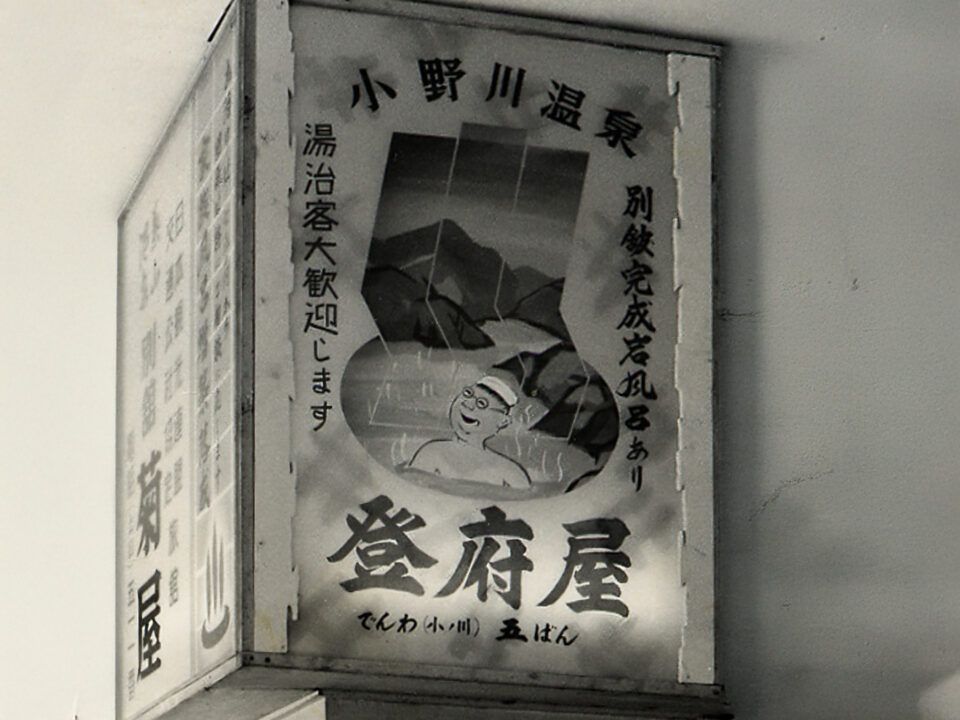
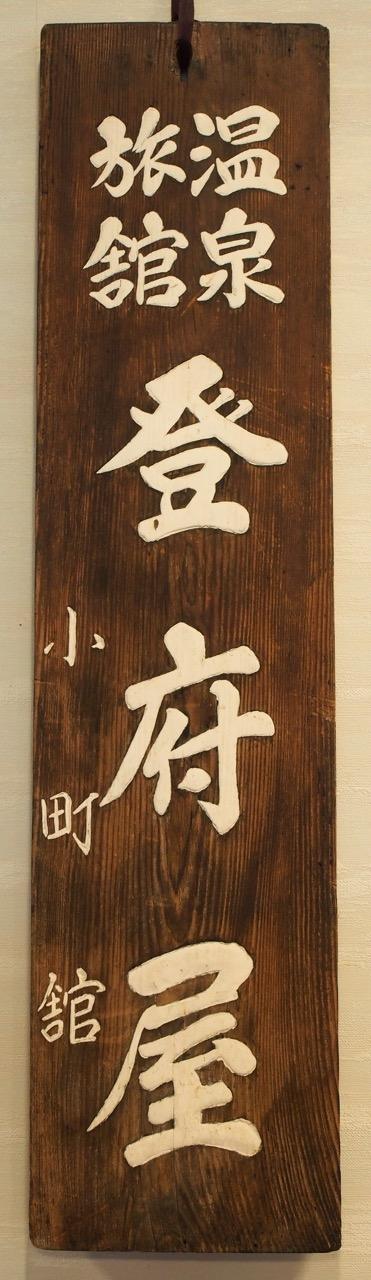
Chonosuke also knew sorrow. He lost all three of his children when they were young. The inn had no heir.
Chonosuke paid the school fees of a neighbor’s child and helped him become a carpenter. Perhaps he hoped that one day the young man would help build and care for Tofuya.
3rd generation · Yae Endo (1874–1938)
Keeping the inn alone
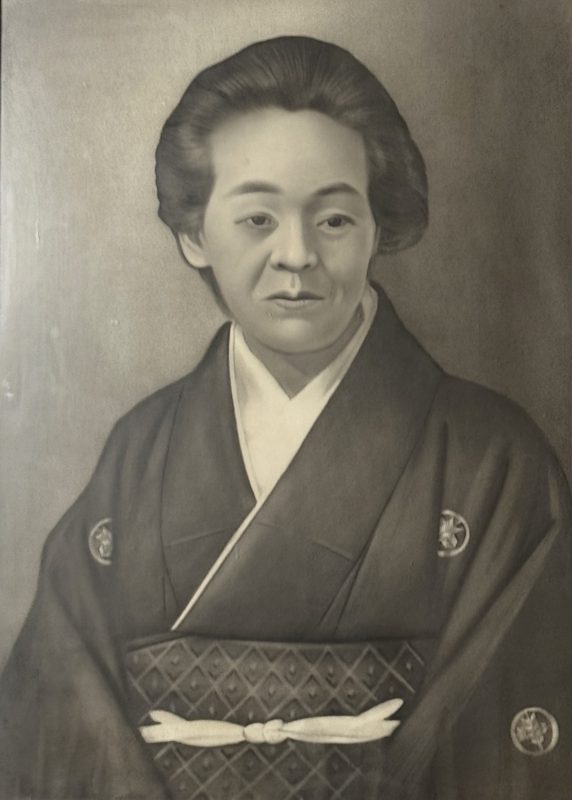
After Chonosuke died, his wife Yae ran the inn on her own. She did so for about fifteen years.
4th generation · Sei Endo (1897–1986)
A police chief’s wife becomes an innkeeper
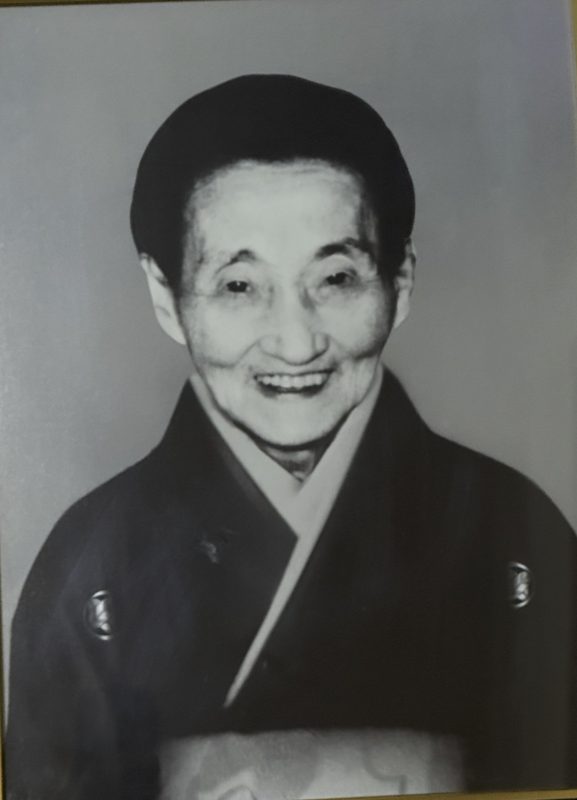
Yae’s successor was her niece, Sei.
Sei’s husband, Shinjiro Endo, was born in 1889 as the second son of the Endo family, a family of former samurai rank (shizoku). He graduated from Meiji University and, as a young man, served in the Imperial Guard that protected Emperor Meiji. He later worked as a police chief at stations across Yamagata Prefecture, including Tsuruoka, Nagai and Yonezawa. He died in 1947.
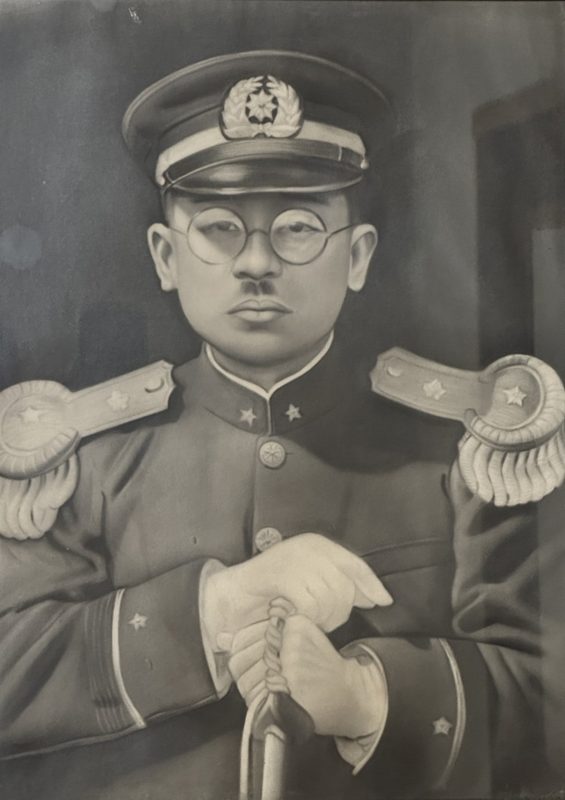
Sei was expected to live her life as a police chief’s wife. Then, by an unexpected turn of events, she took over an inn. She accepted it so that her family’s inn would not disappear.
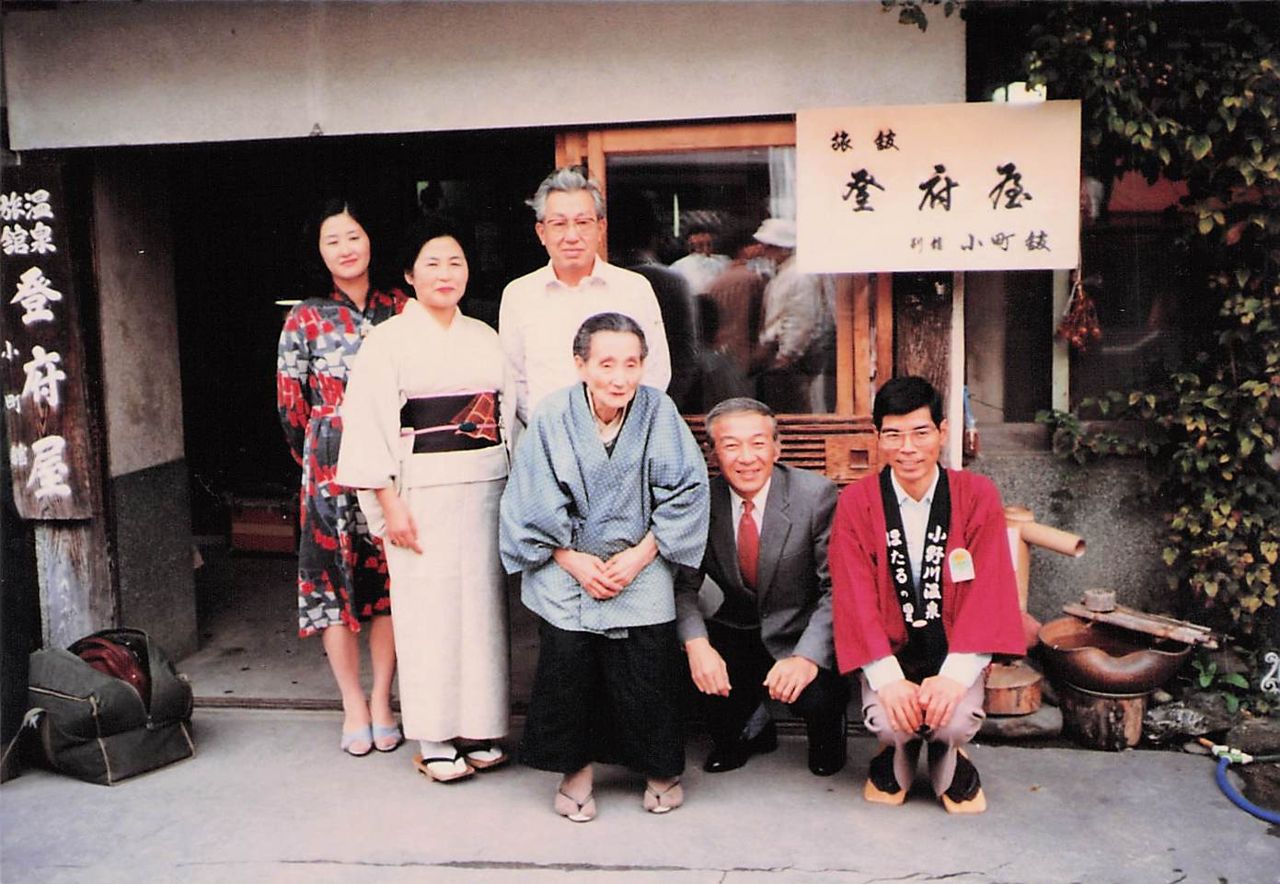
5th generation · Hideo Endo (1925–2002)
Wartime turmoil and “the inn of bells”
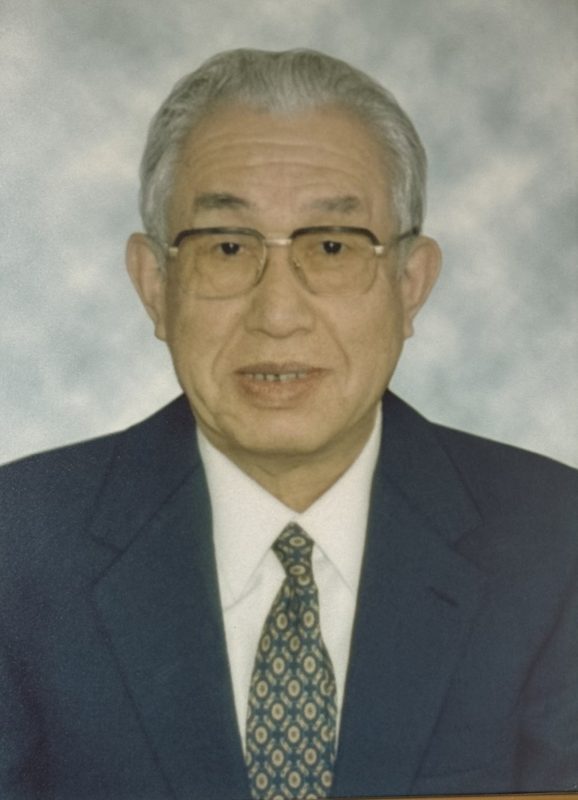
Hideo was born into a police chief’s family, the second of eight children. As a young man he joined the military and was sent to war.
After the war, Hideo married the daughter of the mayor of Wago Village (now the southwest of Nan’yo City) and took over the inn. The years during and after the war were the most turbulent in modern Japan. Through them all, Hideo managed to keep the inn alive.
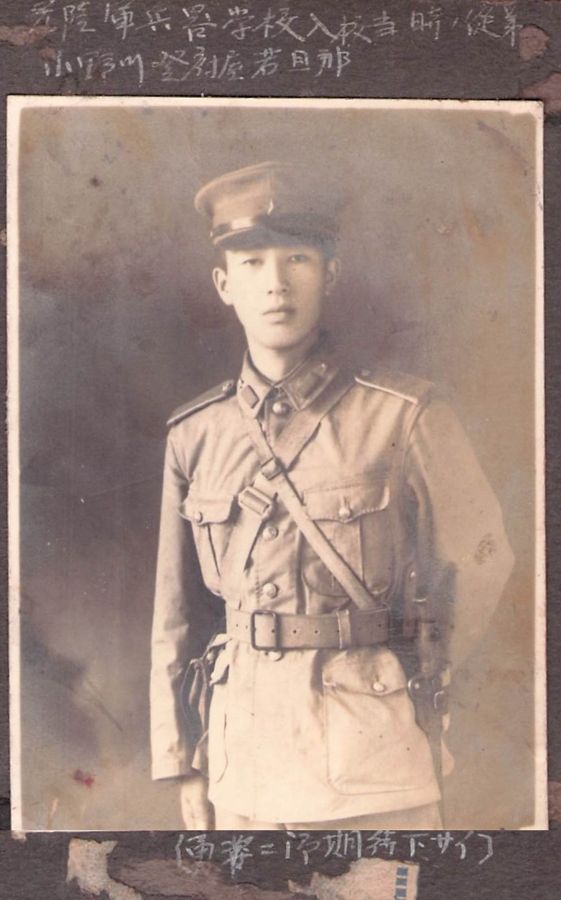
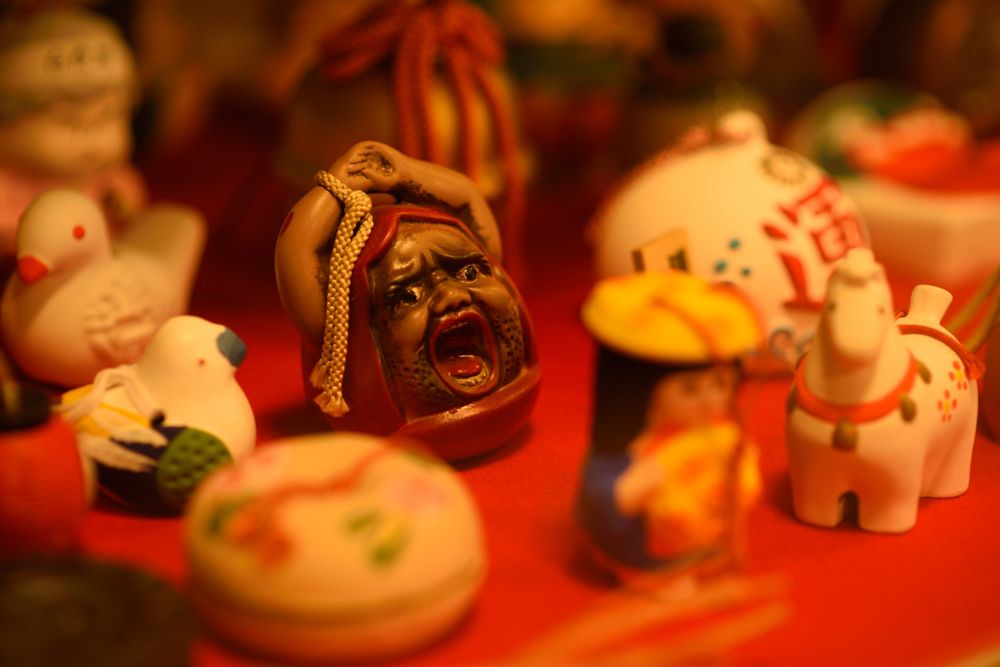
His wife, the okami (hostess) of the inn, began collecting bells. The sound of bells became the sound that welcomed travelers. And so Tofuya came to be known as “Suzu no Yado” – the inn of bells.
6th generation · Shosaku Endo (1945–2013)
A full rebuild, and work for the town
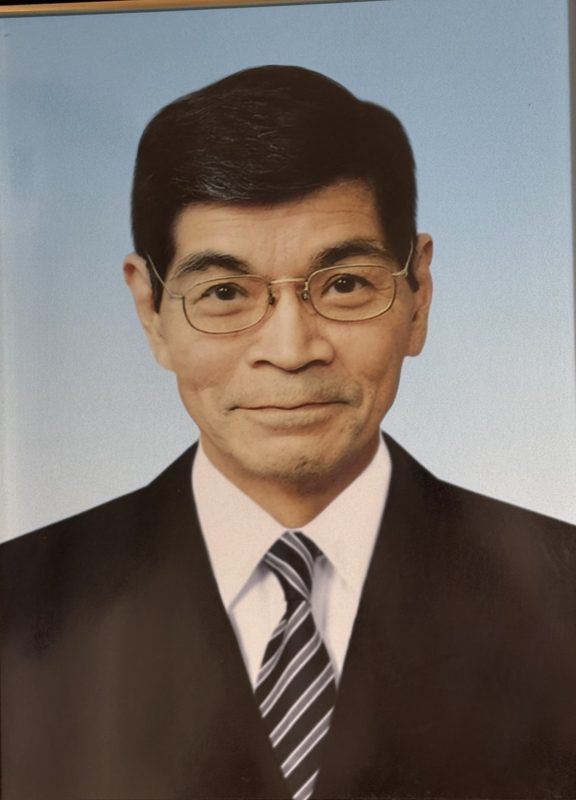
Shosaku was born in 1945, the year the war ended, on a farm in Tochigi Prefecture. He was the seventh son of nine children. As a young man he worked as a hotelier at the Nasu View Hotel. He later married into the Endo family, taking its name, and took over the inn.
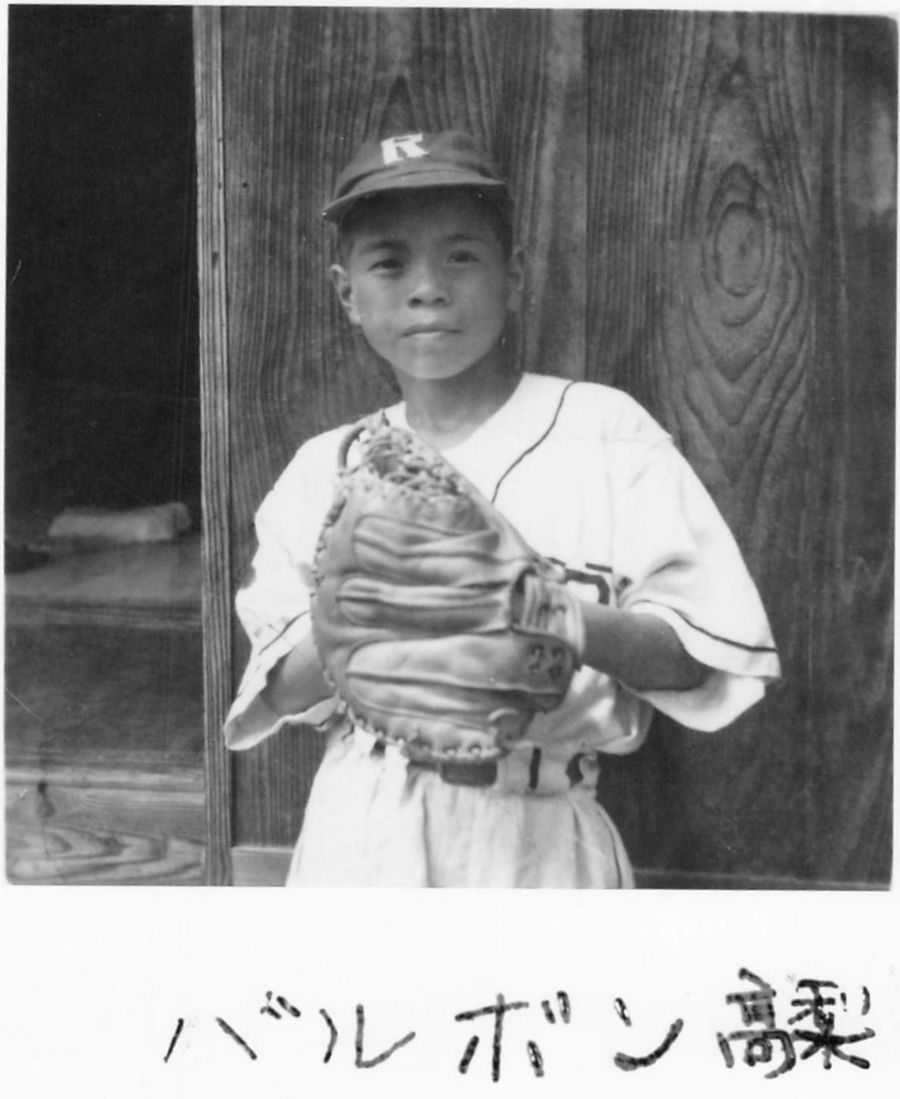
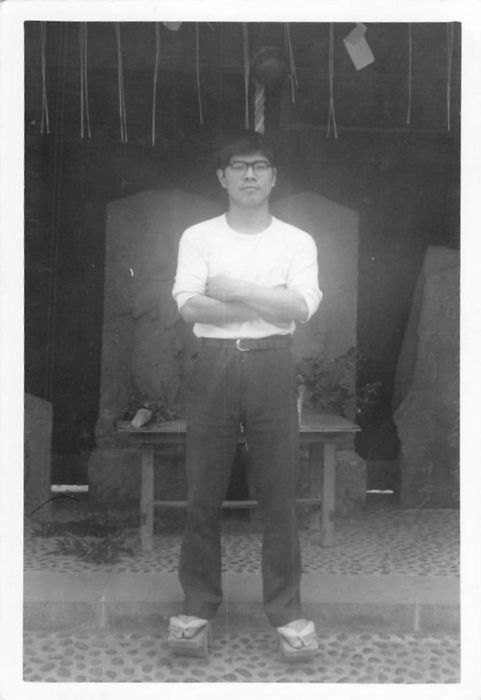
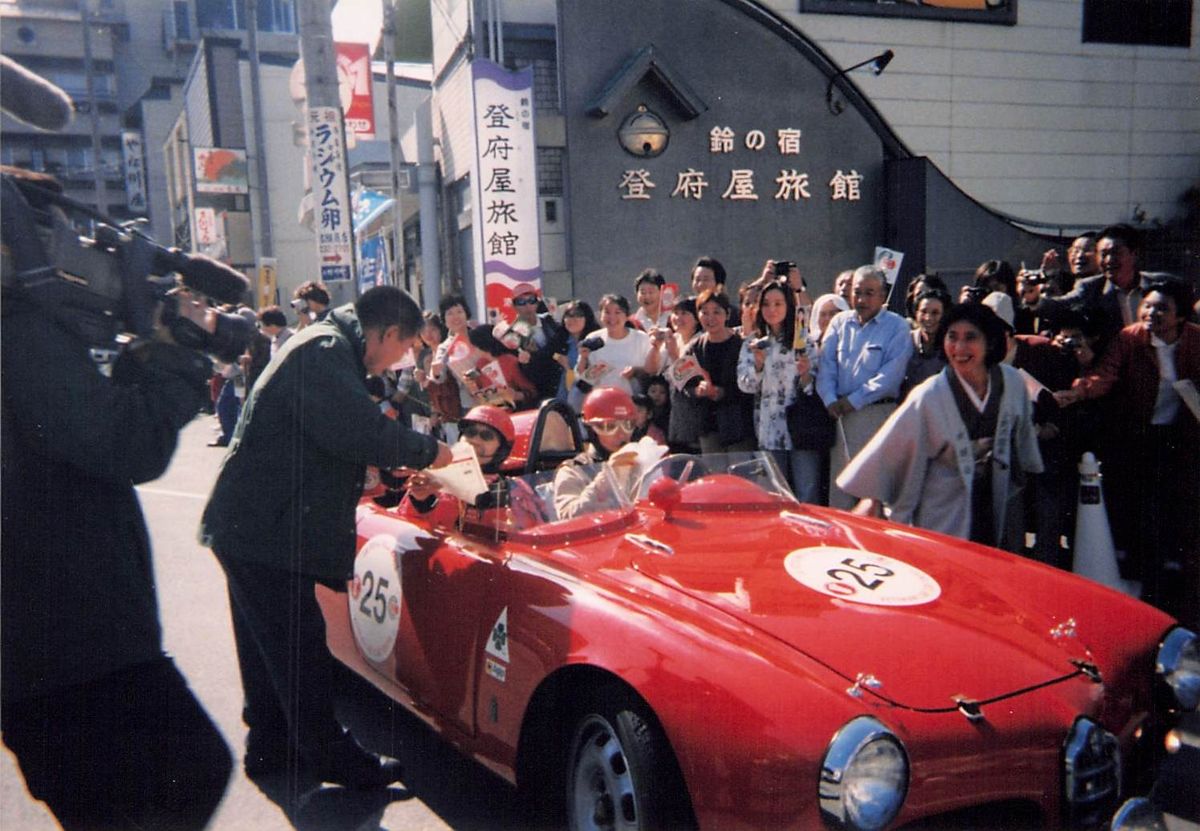
In 1994, he rebuilt the inn from the ground up. He also formed partnerships with major travel companies such as JTB and JR. He worked hard for the town, too, and once brought a classic car rally to Onogawa.
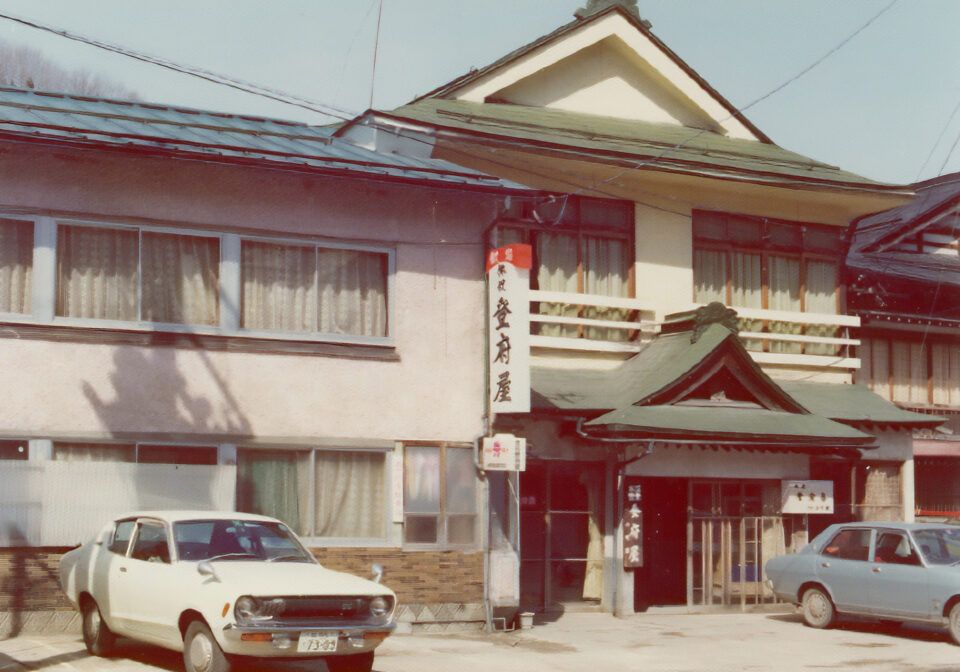
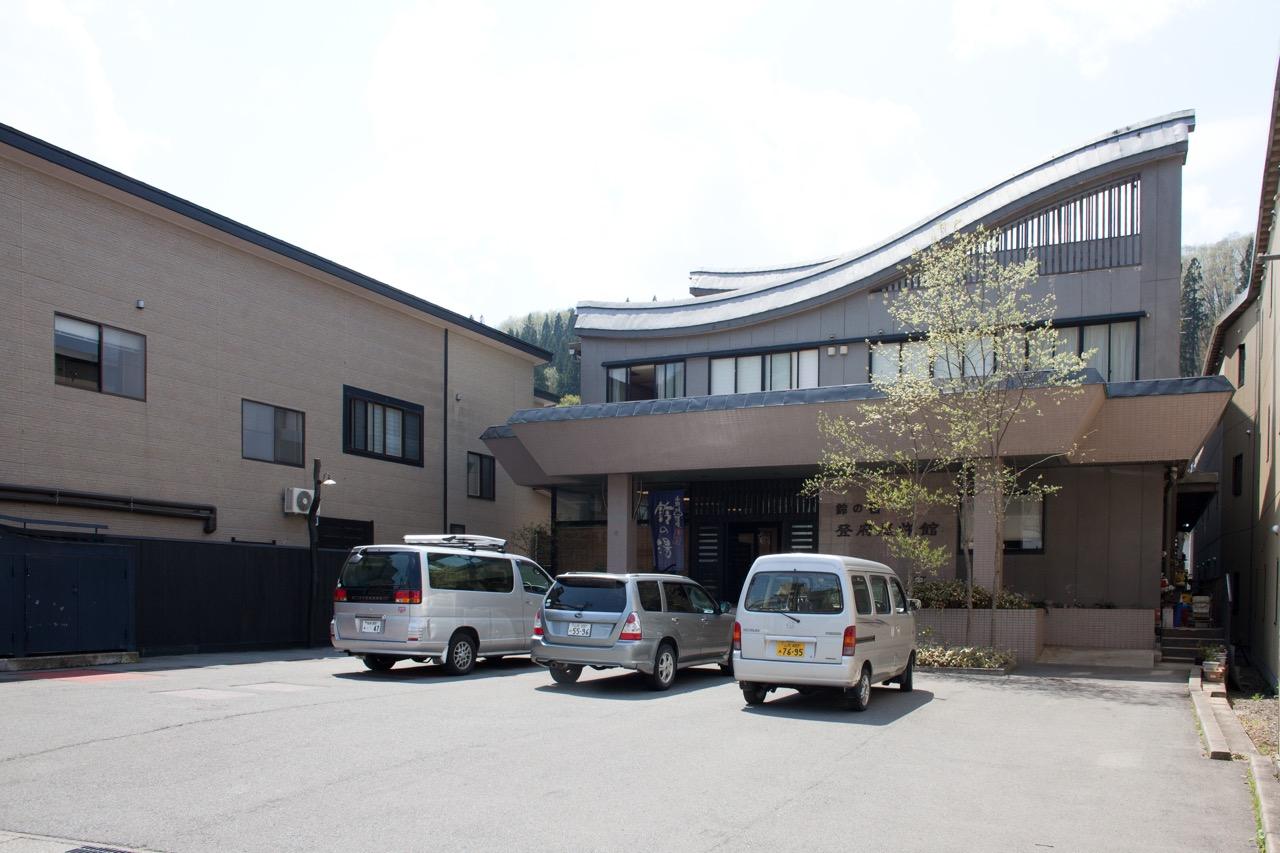
People called Shosaku “Dr. Mushroom.” He knew so much about wild mountain mushrooms that neighbors brought him the ones they had picked to ask whether they were safe to eat.
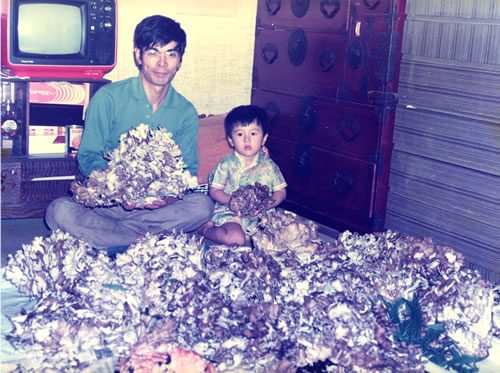
Then Shosaku fell ill and began to use a wheelchair. The baton of the inn was suddenly passed to me.
But because my father was now in a wheelchair, I realized something: for a wheelchair user, a ryokan is full of steps. This was how Tofuya began to become a barrier-free inn.
7th generation · Naoto Endo (1976–)
Born to the ryokan
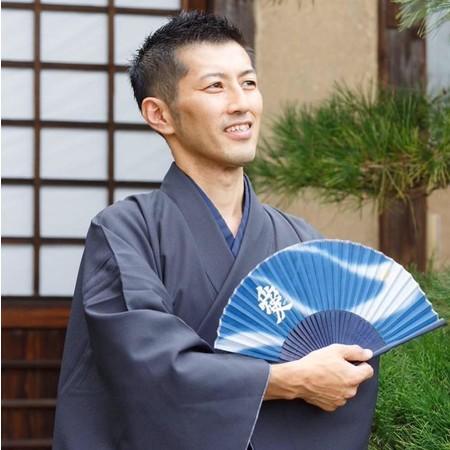
I was born in Yonezawa in 1976. Since the Meiji era, I was the first heir in a long time to be born as a son of the inn.
I grew up believing that taking over the inn was simply what I would do. I never thought of anything else.
After university, I worked for a consulting firm. Then I spent a year traveling in Australia.
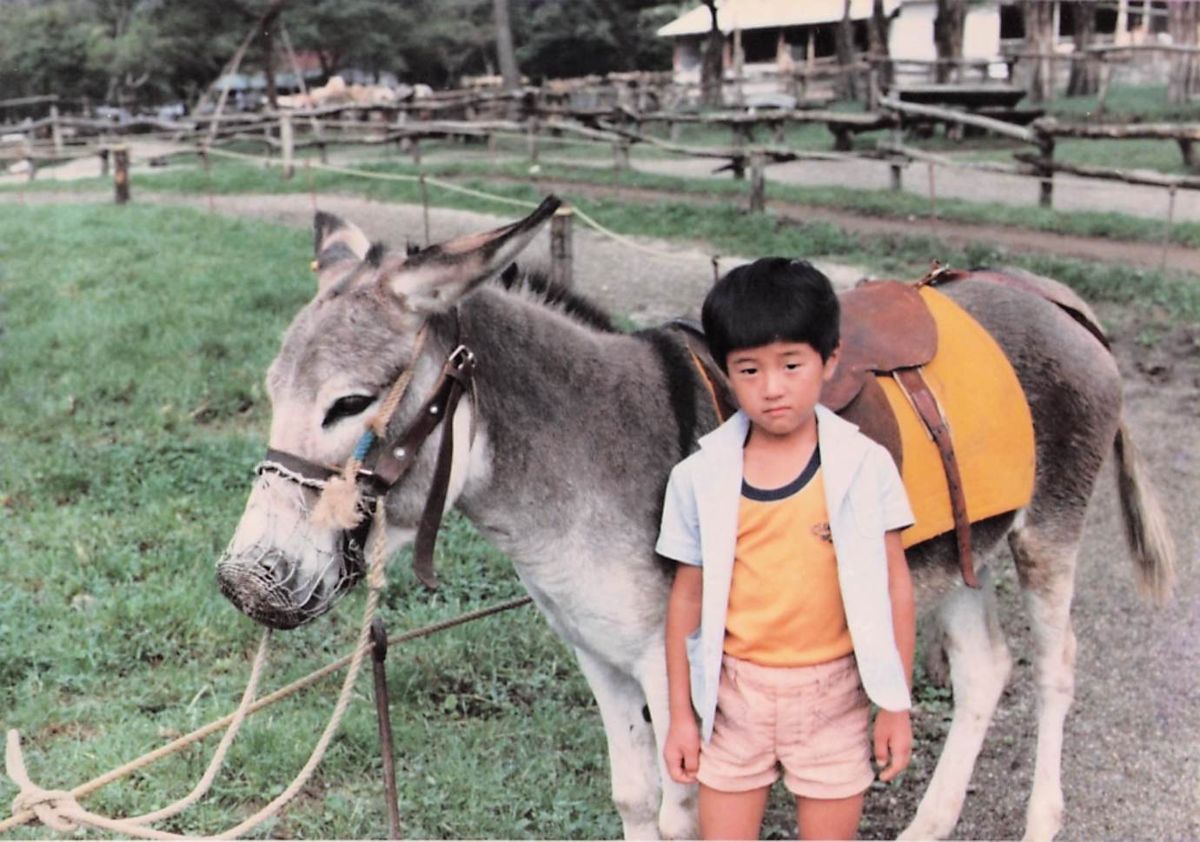
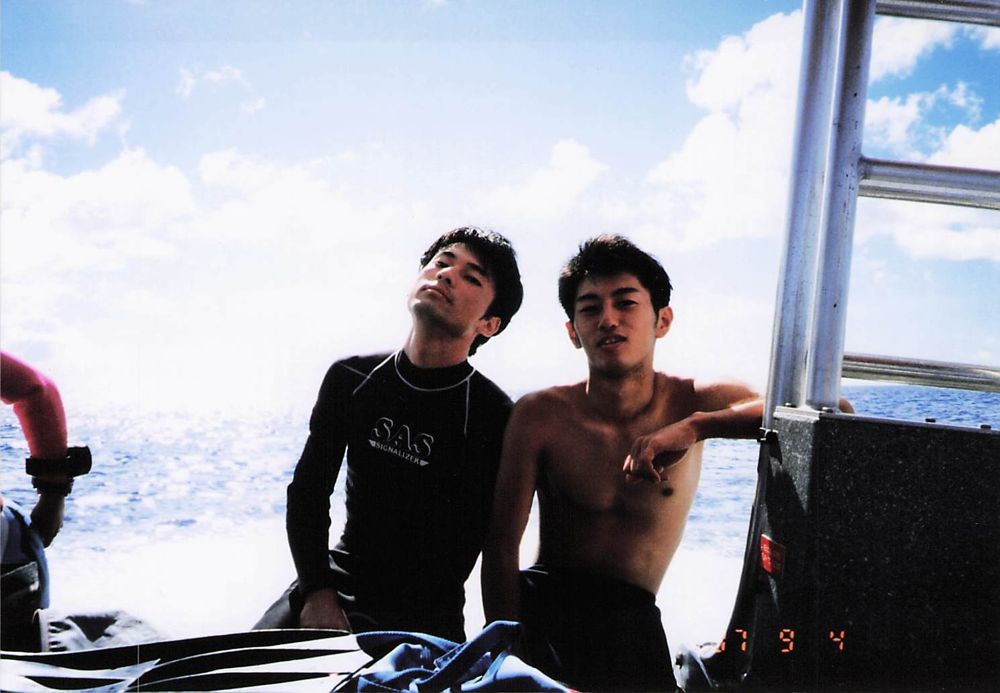
I found my own places to train as an innkeeper. When I stayed at Sansuikaku in Nasu Onsen, I was amazed by its hospitality. I wrote a letter asking, “Please let me work here,” and they kindly accepted me.
I wanted to learn at one more inn, so I also wrote to Shinmeikan in Kurokawa Onsen, Kumamoto. The whole town of Kurokawa had worked together to turn a small hot spring village into one of the most popular onsen destinations in Japan. At the center of that effort was Tetsuya Goto of Shinmeikan.
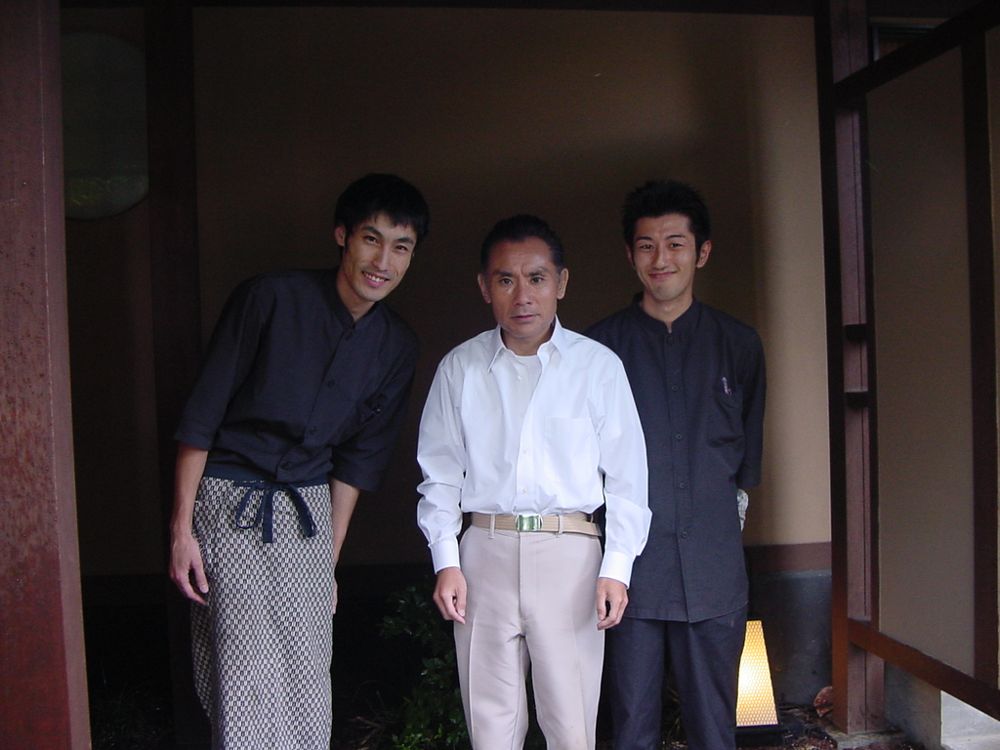
Mr. Goto’s answer was not what I expected.
“Rather than working here, let me come and look at your inn.”
And he really did come to Onogawa. He looked at Tofuya and gave me advice: plant trees, cover the automatic doors with black boards, paint the roof black. Each idea was a way to help the inn blend into the landscape around it.
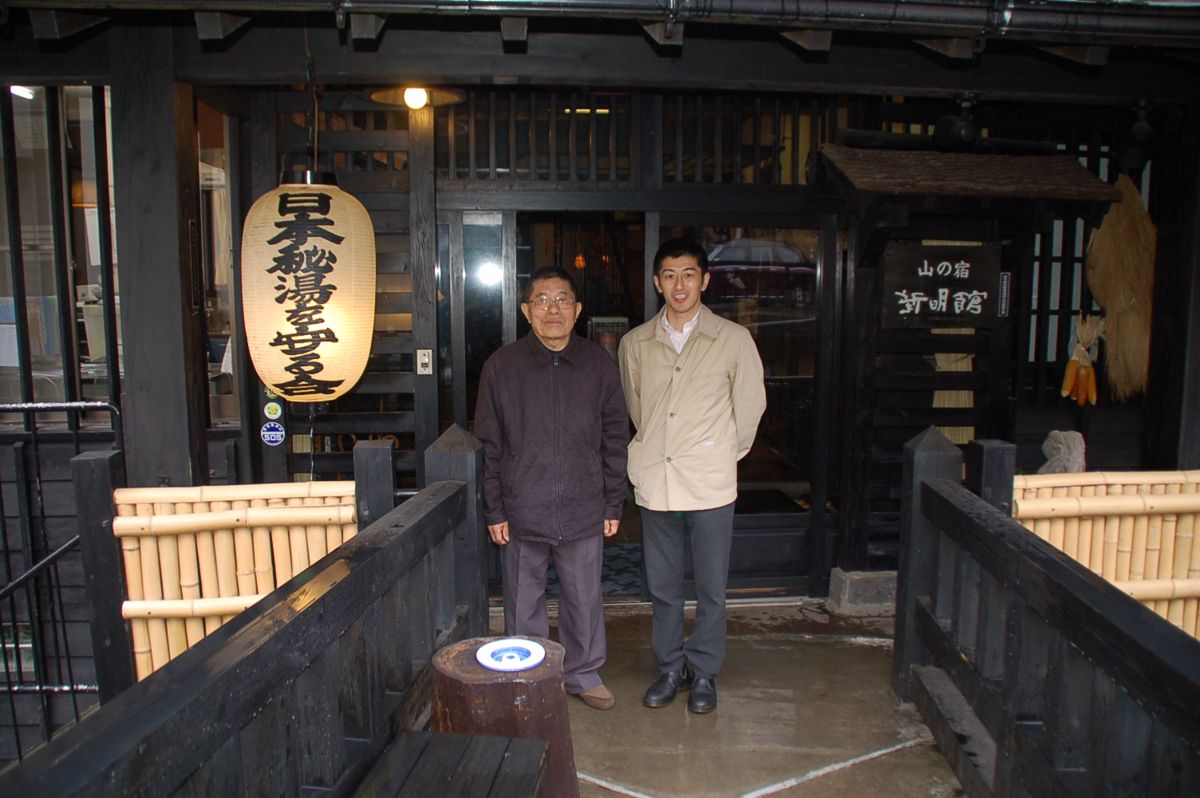
In 2004, I came home to Onogawa.
Right away, I hit a wall. I did not know why guests chose to stay with us. I did not know what made our inn special.
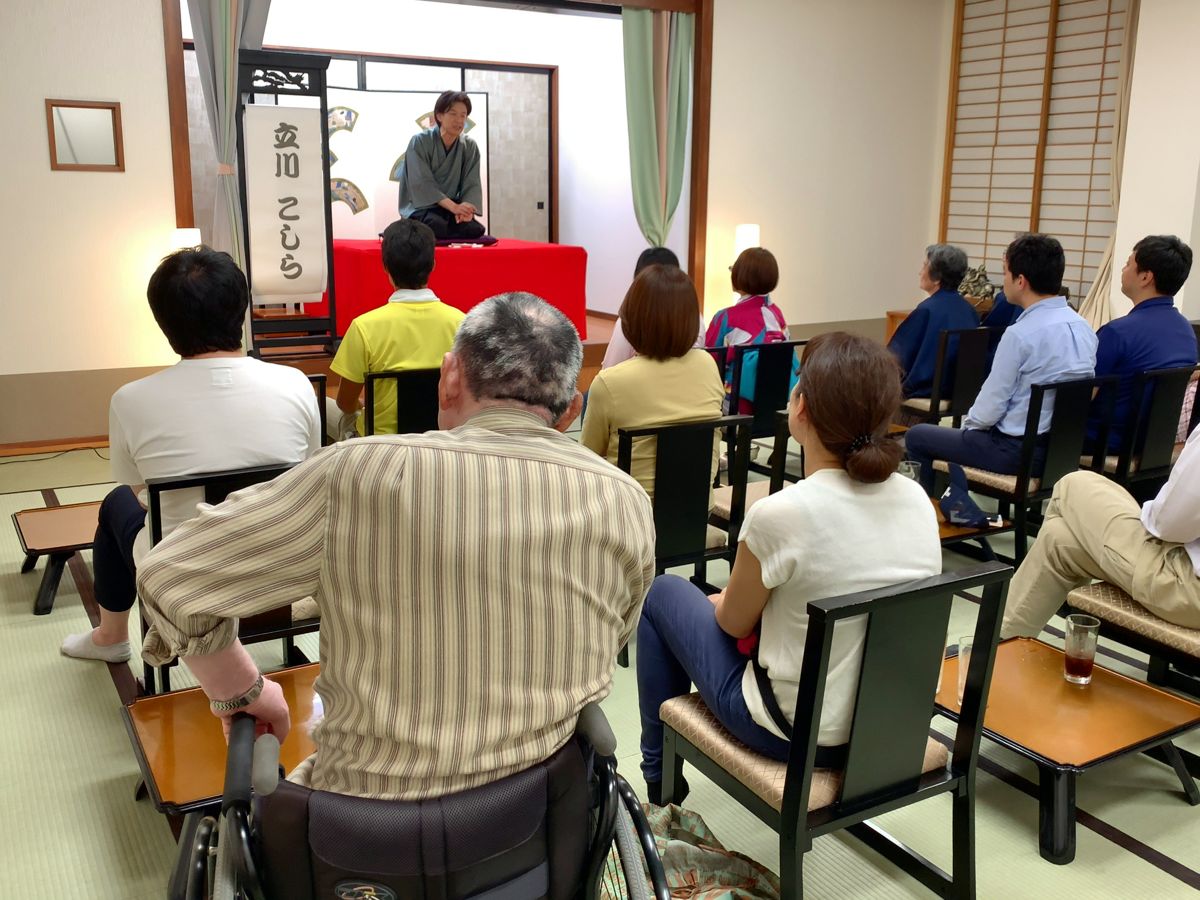
From there, I searched for the inn’s shape one step at a time. A barrier-free inn where wheelchair users and three-generation families can stay with ease. Since 2010, an inn that runs on hot spring heat instead of heating oil. And “Gotochi Rakugo” – local rakugo.
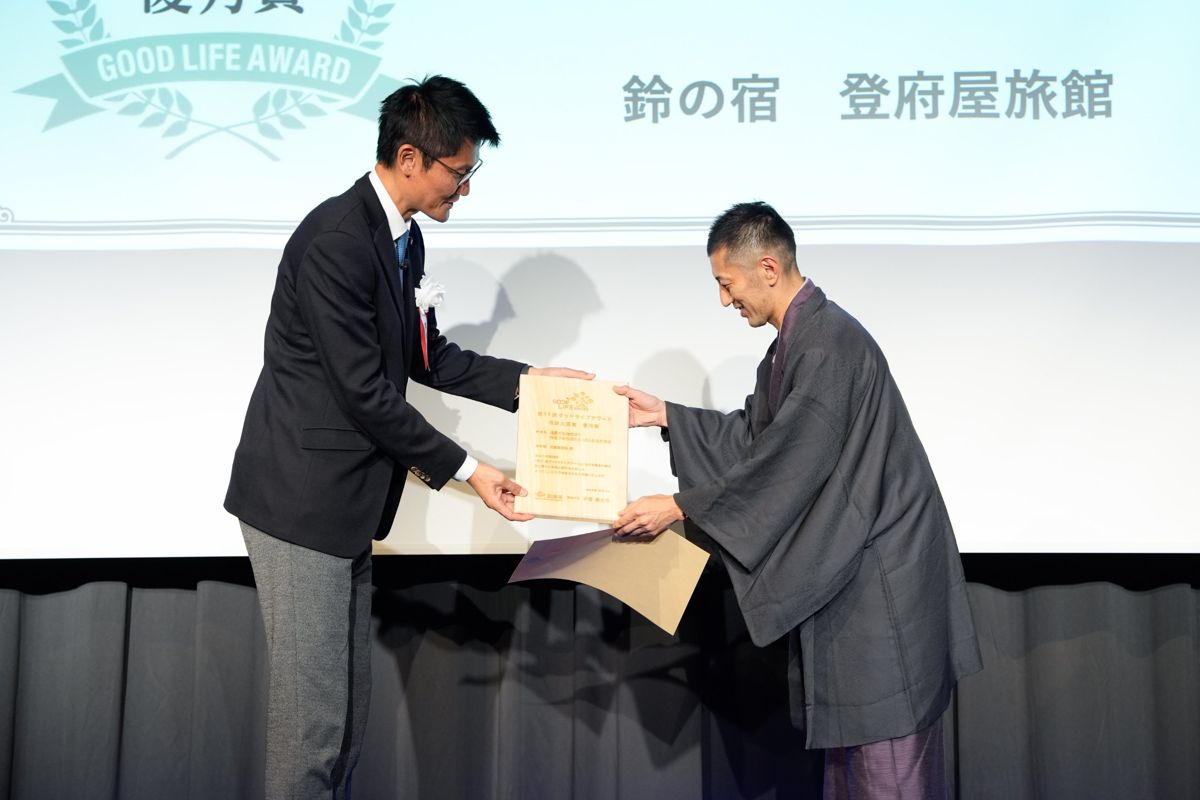
Rakugo is a traditional Japanese art of storytelling. A single performer, seated, brings a whole story to life with only a fan and a hand towel.
In Gotochi Rakugo, a rakugo storyteller creates a story set in Onogawa Onsen. Then the story is performed in other towns across Japan. People who hear it start to imagine Onogawa, a place they have never seen.
It is the same idea as Chonosuke’s, when he hosted the goze and let them spread the word. Traveling storytellers carry the story of this town far away.
The answers were not things I found somewhere else. They were things this inn and this town already had.
Kagyō: a family calling
In Japanese, there is a word, kagyō. It means a family business, passed down from generation to generation.
In a kagyō, you do not choose your work from scratch. The work is already there, in the house you are born into.
What you receive is not only a building, a name and its guests. You inherit the debts too. You take on the good and the heavy, all together.
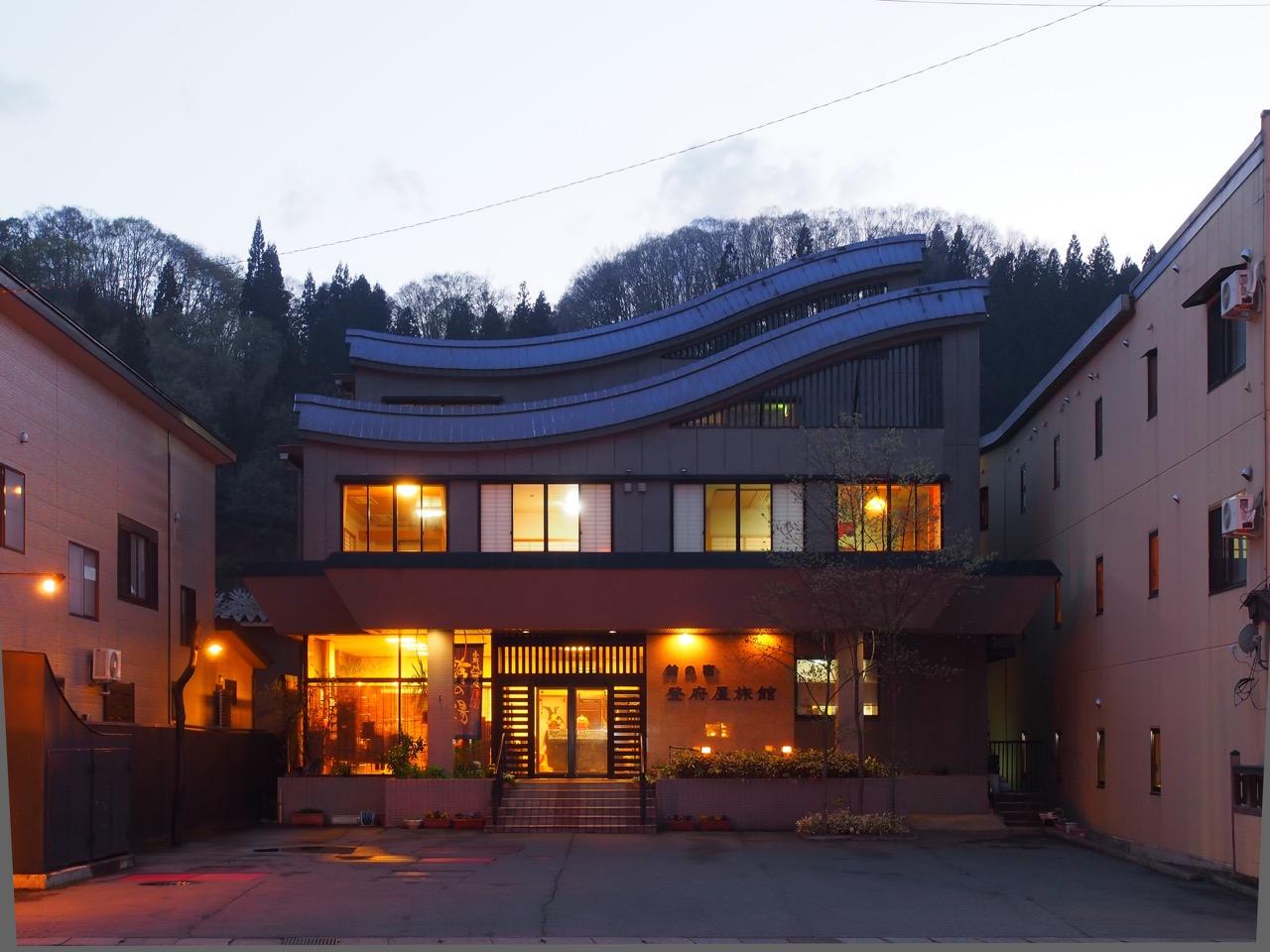
Through the changing times, each generation somehow kept the inn going. Each added something of its own to what it received, and passed it on to the next. Serving tofu, hosting the goze, collecting bells, making the inn welcoming to wheelchair users – each was one generation’s own idea.
A kagyō is not carried on only by those born into the family. Sei, a police chief’s wife, and Shosaku, born on a farm in Tochigi, both received this inn and passed it on.
Perhaps this is a way of deciding one’s life that is unique to Japan.
Heizaburo who served tofu, Chonosuke who rebuilt from the ashes, Yae who kept the inn alone, the okami who collected bells – they all did the same thing. They warmly welcomed the people who came to this town.
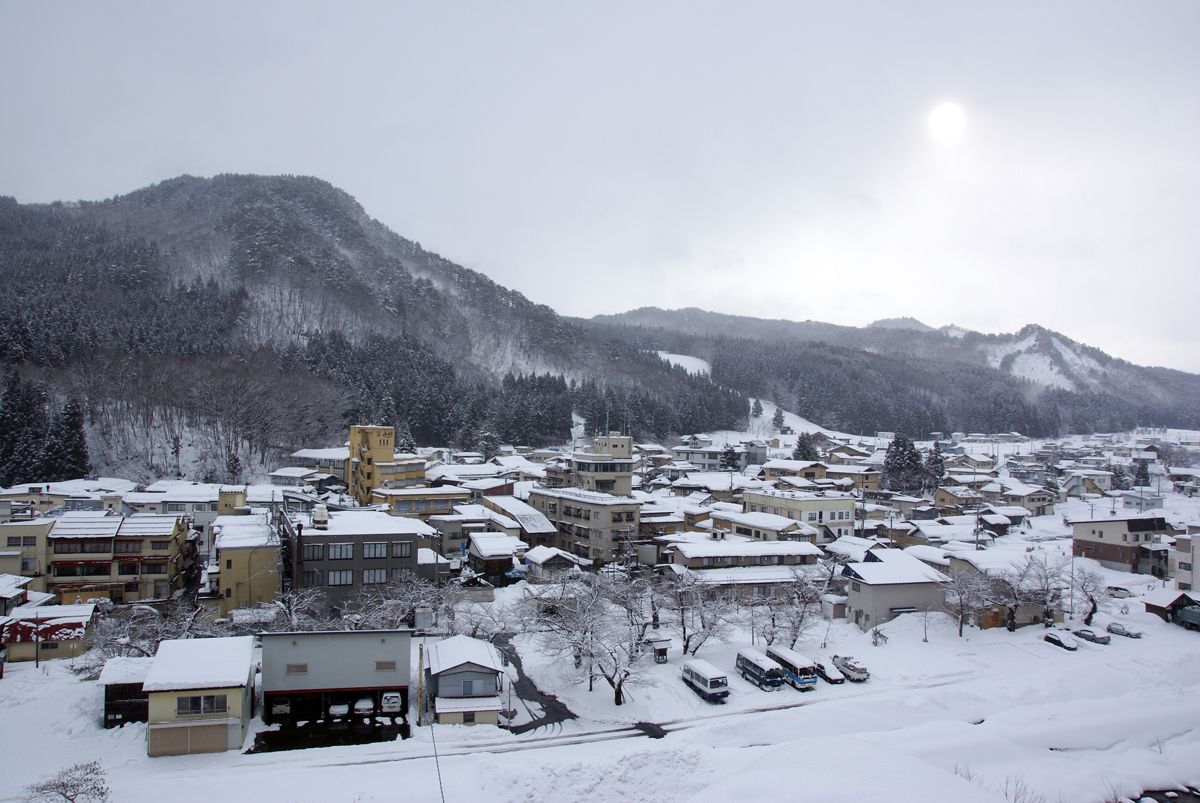
A ryokan is not a hotel. It is a place where a family has welcomed people to its land, generation after generation.
Come to Onogawa and listen to the bells. We will be waiting for you, on the next page of our seven-generation story.