What Is “Onsen Culture”? Japan, Yamagata and Onogawa
- 投稿日:
- 2026年11月3日
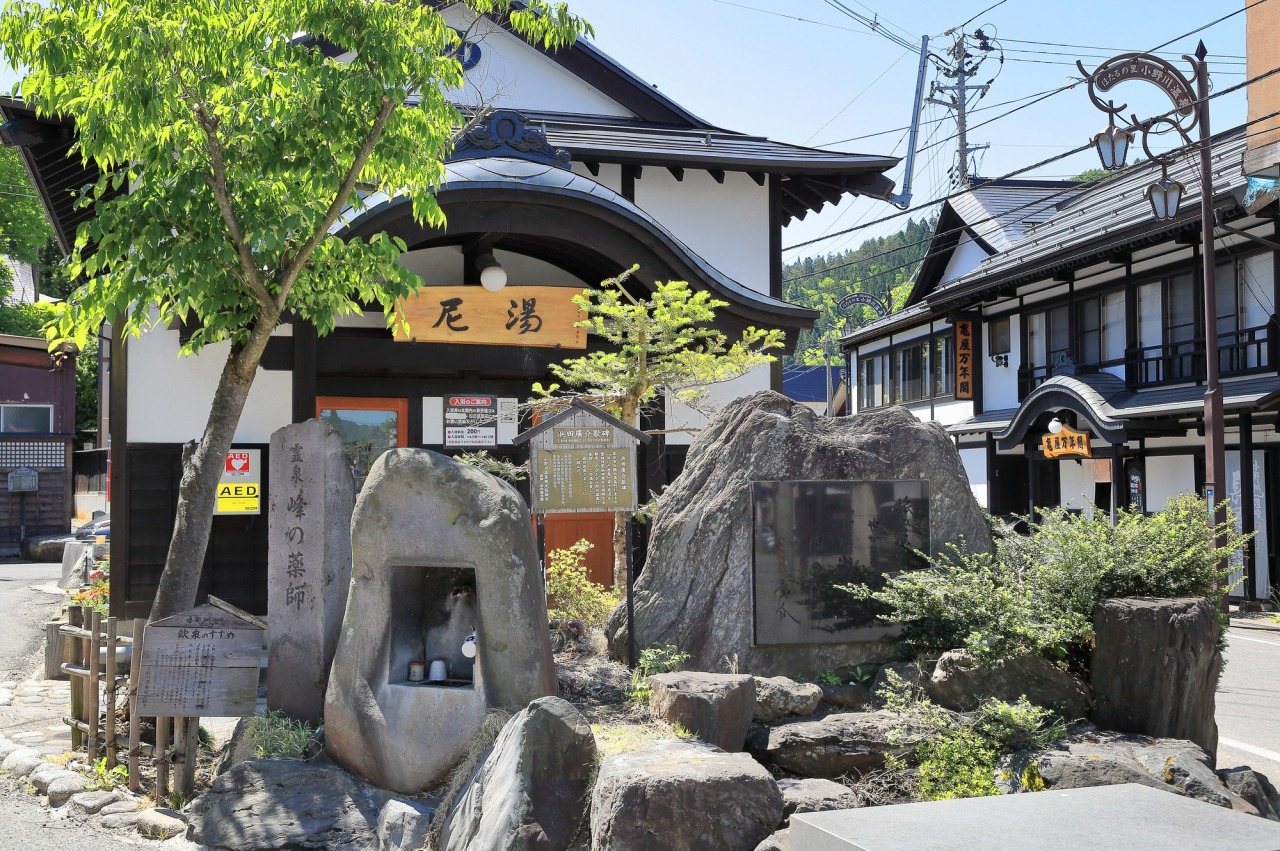
For Japanese people, an onsen is more than just a bath. Today, Japanese people are noticing this again, and they want to share the way they enjoy onsen with the world as part of their identity: “onsen culture.”
In this article, we look at onsen culture from three points of view: Japan as a whole, Yamagata Prefecture, and Onogawa Onsen, the hot spring town where Tofuya Ryokan stands.
Onsen culture in Japan: healing body and mind with a gift of nature
In November 2025, Japan chose “onsen culture” as a candidate to propose for UNESCO’s Intangible Cultural Heritage list. The review is expected around 2030.
The people working for this listing describe onsen culture like this:
“A social custom rooted in Japanese life: soaking in an onsen, a gift of nature, to heal body and mind.”
In old Japan, the onsen took the place of a hospital. When people became sick or hurt, they stayed at an onsen town for many days and soaked in the hot water to heal. This is called “toji”.
Toji was not only for curing illness. After rice planting and the rice harvest, farmers stayed at onsen towns to rest their tired bodies. Rest well before you get sick: toji was the wisdom of people long ago.
The onsen was also a place that brought people together. Strangers soak in the same water and start to talk. In Japan, this is called “hadaka no tsukiai,” or “naked friendship.” It means taking off your title and position, and meeting each other as equals in the same bath.
Ancient Rome also had a culture of gathering in hot water. Romans went to large public baths called “thermae” and talked with friends while soaking. The Japanese manga “Thermae Romae” is the story of a bath designer from ancient Rome who time-slips into the onsen and public baths of modern Japan. With humor, it shows how similar the two cultures are. But much of the Roman bath culture was lost as the empire declined. Japanese onsen culture, on the other hand, has continued in daily life without a break for more than 1,000 years. This is one of the great features of Japanese onsen culture.
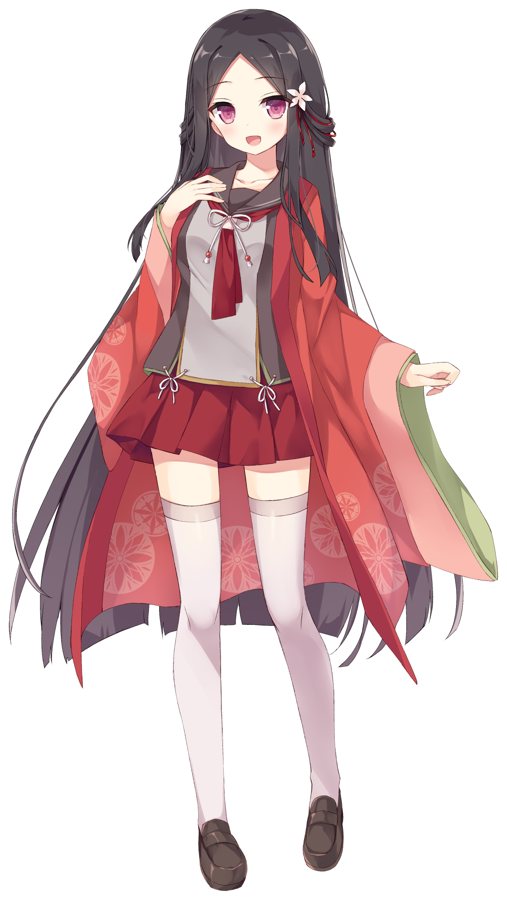
Onsen culture is still growing today. After a bath, people eat a “gotochi soft-serve,” an ice cream with a local flavor. People visit onsen towns to support “Onsen Musume,” characters based on onsen towns across Japan. These new ways of enjoying onsen are also part of Japanese onsen culture.
Onsen culture in Yamagata: a prefecture with onsen in every town
Yamagata is a prefecture where hot springs come out of the ground in every city, town and village. Not only famous onsen towns, but also small towns and villages have their own onsen.
Each onsen town in Yamagata has its own story of how it began. Many legends tell of people who saw a hurt crane, turtle or hawk healing its wounds in the hot water.
| Main onsen towns | How it began (including legends) | Features |
|---|---|---|
| Zao Onsen (Yamagata City) | Said to be found about 1,900 years ago by Kibi no Takayu, a retainer of the legendary hero Yamato Takeru | Strongly acidic sulfur springs. Snow monsters (frost-covered trees) and skiing in winter |
| Kaminoyama Onsen (Kaminoyama City) | Said to be found in 1458 by the monk Gesshu, who saw a crane with a hurt leg heal in the hot water | An onsen in a castle town and post town. Many foot baths |
| Akayu Onsen (Nanyo City) | Said to be found in 1093 by Minamoto no Yoshitsuna. The name (“red hot water”) comes from the water turning red with the blood of wounded soldiers | The bath of the lords of the Yonezawa domain. A town of wine and ramen |
| Hijiori Onsen (Okura Village) | From the legend of an old monk who healed his broken elbow in this water in 807 | A traditional toji town. Famous for its morning market |
| Semi Onsen (Mogami Town) | Said to be found in the 1180s by Benkei, a retainer of the samurai hero Minamoto no Yoshitsune | A riverside onsen linked to Yoshitsune and Benkei |
| Yunohama Onsen (Tsuruoka City) | Said to be found about 1,000 years ago when people saw a turtle healing its wounds | Faces the Sea of Japan. Chosen for “Japan’s 100 Best Sunsets” |
| Atsumi Onsen (Tsuruoka City) | Said to have begun about 1,000 to 1,200 years ago with a crane healing its wounds | An onsen town along a river. Walks between foot baths |
| Ginzan Onsen (Obanazawa City) | Said to be found in the early Edo period, near a silver mine | Wooden ryokan from the Taisho era line both banks of the river |
| Shirabu Onsen (Yonezawa City) | Said to be found about 700 years ago when people saw a hawk with white spots healing its wounds | A mountain onsen about 900 m above sea level. Waterfall baths |
| Onogawa Onsen (Yonezawa City) | Said to be found in 834 by the poet Ono no Komachi | A village of fireflies. Onsen eggs and bean sprouts |
Looking at this table, famous people of old Japan seem to have been strangely good at finding hot springs: a retainer of Yamato Takeru, samurai of the Minamoto clan, Benkei, and Ono no Komachi. Carefully passing down these “iware,” or origin stories, is also part of Japanese onsen culture. You could call it branding from long ago.
In Yamagata, onsen are not only for travel. On the way home from work, people stop by a local public bath or a day-use onsen, chat with their neighbors, and then go home. Onsen are part of everyday life.
Onsen culture in Onogawa: hot water the town has protected
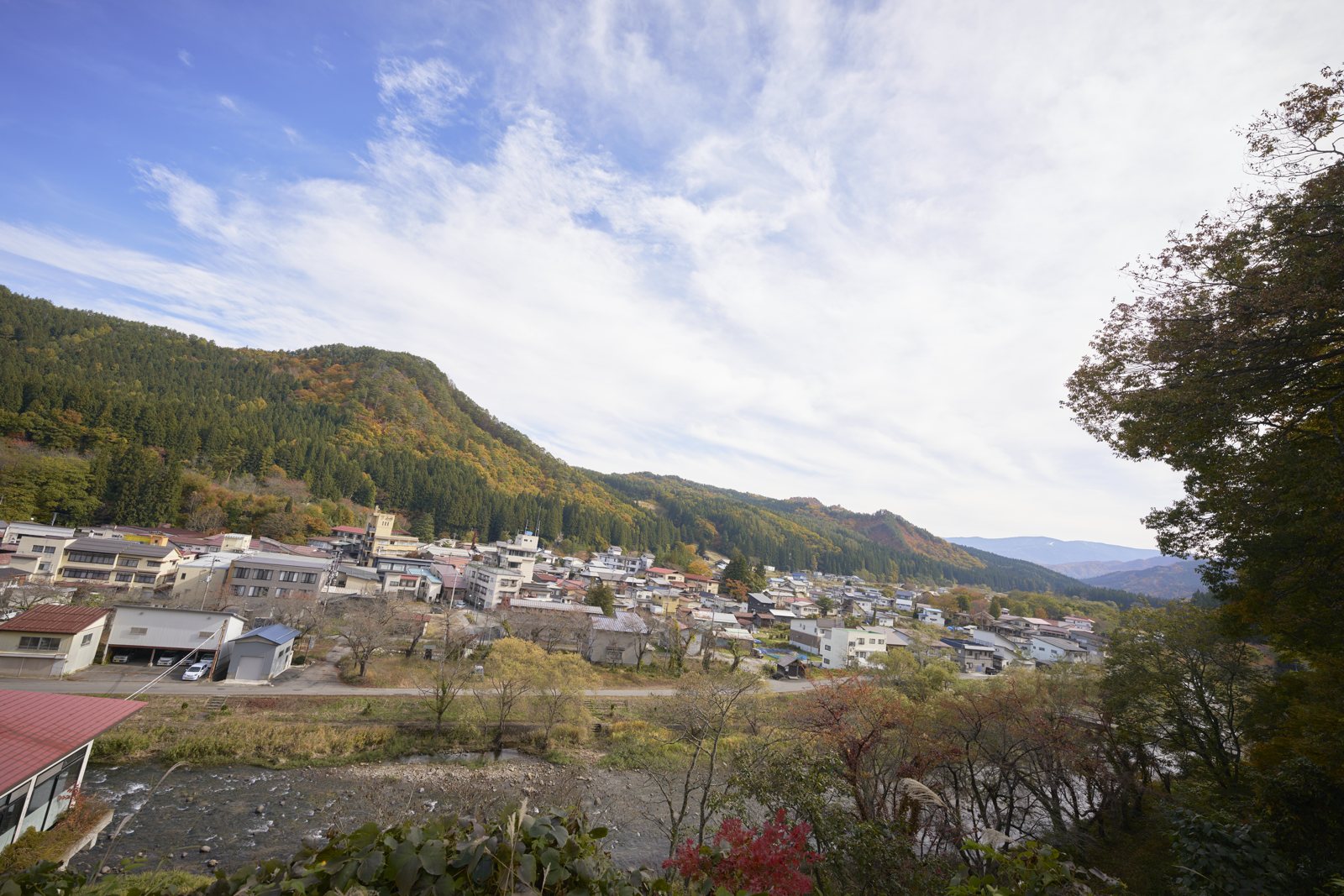
Onogawa Onsen is a hot spring town with 1,200 years of history in Yonezawa City, Yamagata Prefecture. It is said that Ono no Komachi, a poet of the Heian period, became sick while traveling to visit her father, and healed in this hot water. There is also a record that the samurai lord Date Masamune came here for toji in the Sengoku period, after breaking a bone when he fell from his horse. In the Edo period, Uesugi Yozan, the wise lord of the Yonezawa domain, made salt from the hot spring water of Onogawa. In Yonezawa, far from the sea, salt was very precious. Today, it is a small town of 13 inns that you can explore on foot.
The water of Onogawa is rain that fell on Mt. Azuma. It travels through the ground for about 40 years, picks up minerals, and comes up as a hot spring. It is neutral and gentle on the skin, a little salty, and you can even drink it.
Onogawa’s public baths, “Amayu” and “Takiyu,” are run by the local people themselves. Some families have no bath at home and go to the public bath every day. For the people of Onogawa, the onsen is part of everyday life.
Onogawa is in snow country, and in winter it is closed in by deep snow. In snow country, heat was very precious. The teaching of Uesugi Yozan, “mottainai” (don’t waste anything), took root here, and the people of Onogawa came to use their onsen to the fullest. Not only for bathing. They drink it, eat with it, warm with it, and use the gift of the onsen in every part of life. Long before the word “SDGs” was born, Onogawa was living a sustainable life in snow country.
| How we use it | Examples in Onogawa |
|---|---|
| Bathe | The baths of the inns, the public baths “Amayu” and “Takiyu” used by local people, and three free foot baths. Every bath in the town is 100% free-flowing water straight from the source, which is rare even in Japan |
| Drink | Two drinking fountains for the hot spring water. It is neutral and a little salty |
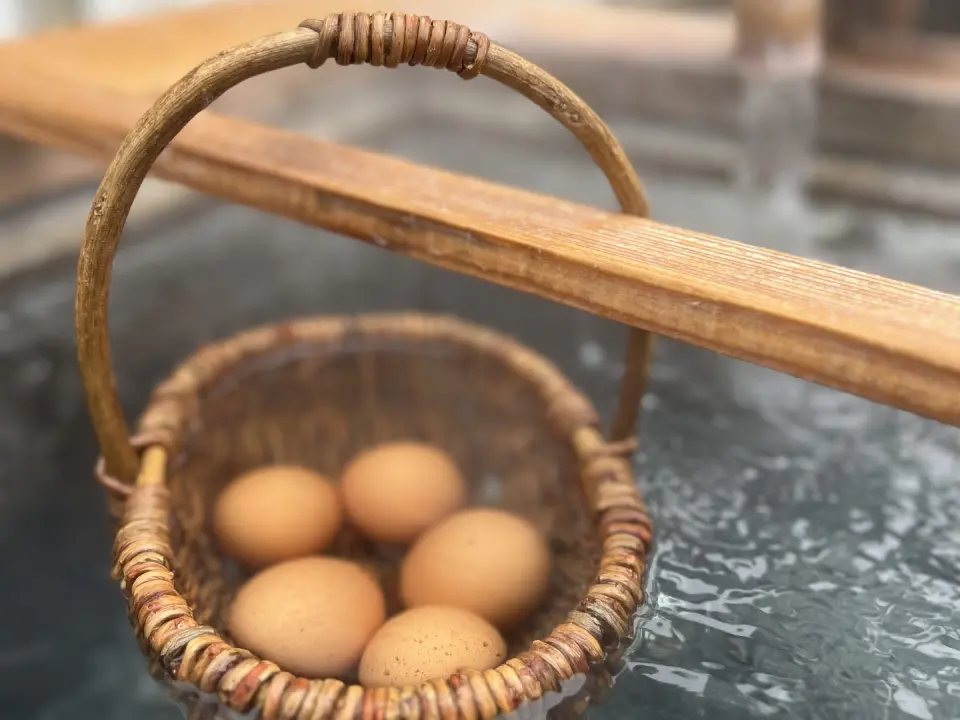
| Eat | Onsen eggs made in the hot spring. Warm onsen manju (steamed buns) that suit a town of rising steam. “Onogawa bean sprouts” and “asatsuki” chives grown with the heat of the hot spring |
| Make salt | In the Edo period, Uesugi Yozan made salt from the hot spring water |
| Warm | Filling a “yutanpo” hot-water bottle with hot spring water to warm the bed. Using a heat exchanger to turn the heat of the hot spring into warm water, then a heat pump to make it even hotter, for air conditioning and hot water. Hot spring floor heating under the sauna, which warms it with little energy (Tofuya Ryokan) |
| Melt snow | Using the heat of the hot spring to melt snow in winter |
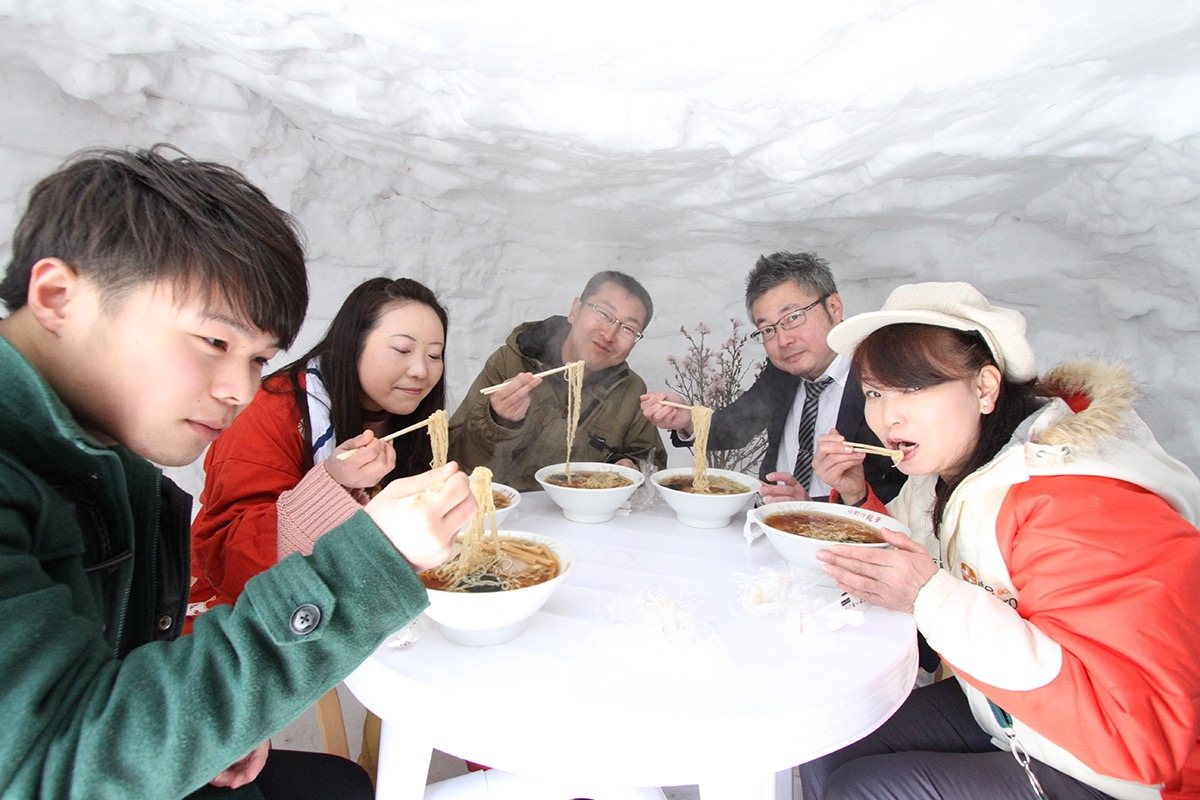
| Celebrate | The summer “Firefly Festival,” the autumn “Onsen Opening Festival” and the winter “Kamakura Village” (snow huts). Festivals held by the whole town |
| Enjoy | Three kinds of local soft-serve ice cream to choose from after your bath. The cats walking around town are “community cats,” watched over by everyone through the “Onogawa Onsen Happy Cat Project” |
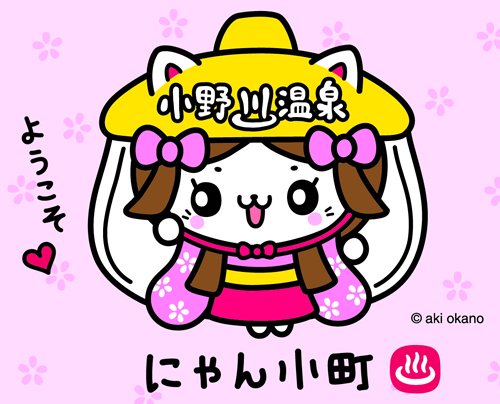
| Create | New culture, such as pop culture. Goods of Onogawa Komachi, the “Onsen Musume” character of Onogawa Onsen. The town’s mascot, the cat “Nyan Komachi” |
Festivals are part of onsen culture, too. The town’s festivals, such as the summer “Firefly Festival,” the autumn “Onsen Opening Festival” and the winter “Kamakura Village,” are run by everyone in the town. Protect the water, protect the town, and enjoy it together. That is the onsen culture of Onogawa.
“Yu no Kuni Yamagata”: toward an ordinance to protect onsen culture
Today, protecting onsen culture is not easy. The prices of materials are rising, and there are not enough successors. In many places, onsen associations are finding it hard to keep up their public baths and other facilities.
So in Yamagata, an ordinance is planned to be proposed to protect onsen culture as a treasure of everyone in the prefecture and to bring new energy to local areas. Its name is the “Yu no Kuni Yamagata Onsen Culture Promotion Ordinance” (“Yu no Kuni” means “land of hot springs”). It is planned to be proposed at the prefectural assembly in December 2026, and it is said that no other prefecture in Japan has an ordinance like it.
The draft ordinance makes February 22 “Yu no Kuni Yamagata Day” every year. The number “2” is seen as the steam rising from hot water.
Yamagata is working as a whole prefecture to protect the onsen culture that Japan wants to share with the world. Onogawa Onsen is one small part of it. Please come and experience the onsen culture of Yu no Kuni Yamagata.